Discover stories from the field, expert advice, and travel inspiration across Latin America.
Why Brazil Has One of the Richest Biodiversity on Earth
Gustavo Kolonko | 11/10/2026
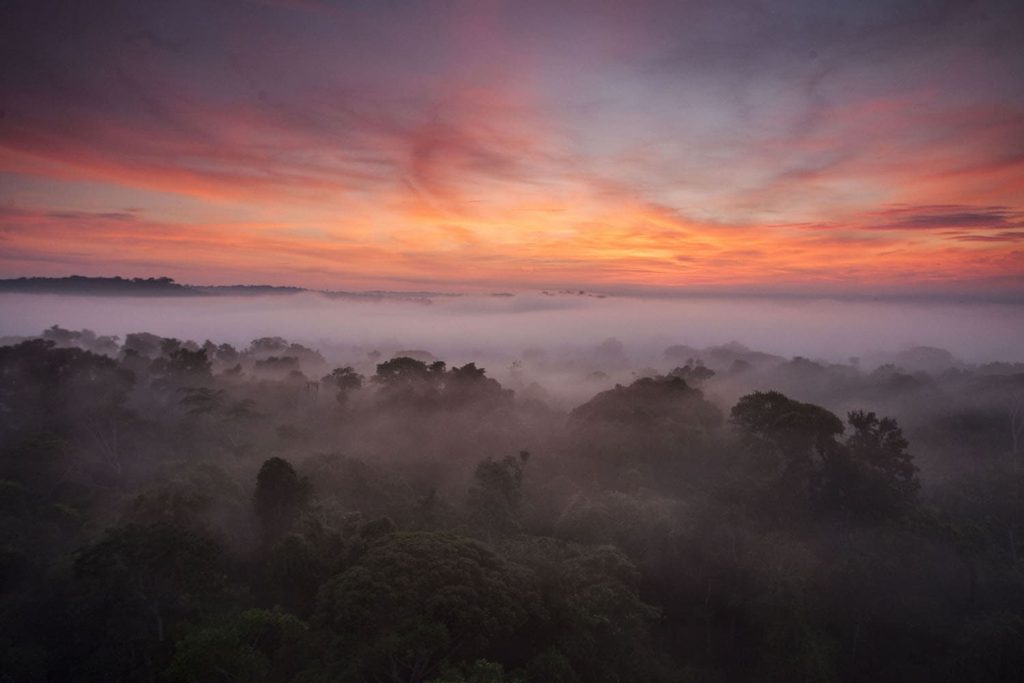
Brazil’s biodiversity is often associated with the Amazon rainforest, however, its natural wealth extends far beyond one ecosystem. Across the country, tropical forests, wetlands, savannas, dry forests and grasslands support remarkably different forms of life. Brazil’s biological richness comes from the interaction between these landscapes, their climates and millions of years of evolutionary history.
A Country of Different Ecosystems
Brazil covers more than 8.5 million square kilometres. This vast territory includes six major terrestrial biomes: the Amazon, Cerrado, Atlantic Forest, Caatinga, Pantanal and Pampa. Each has distinct vegetation, soils, rainfall patterns and ecological conditions.
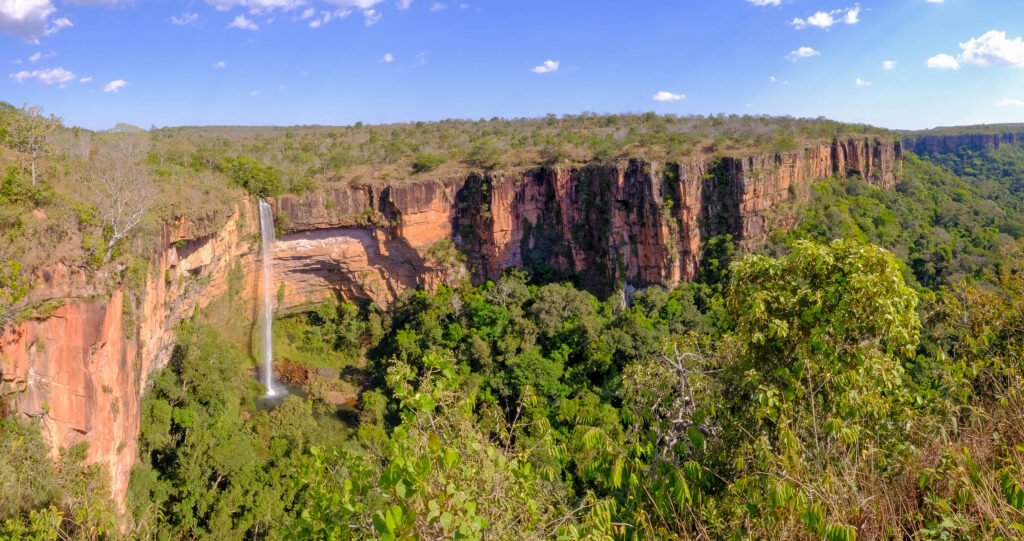
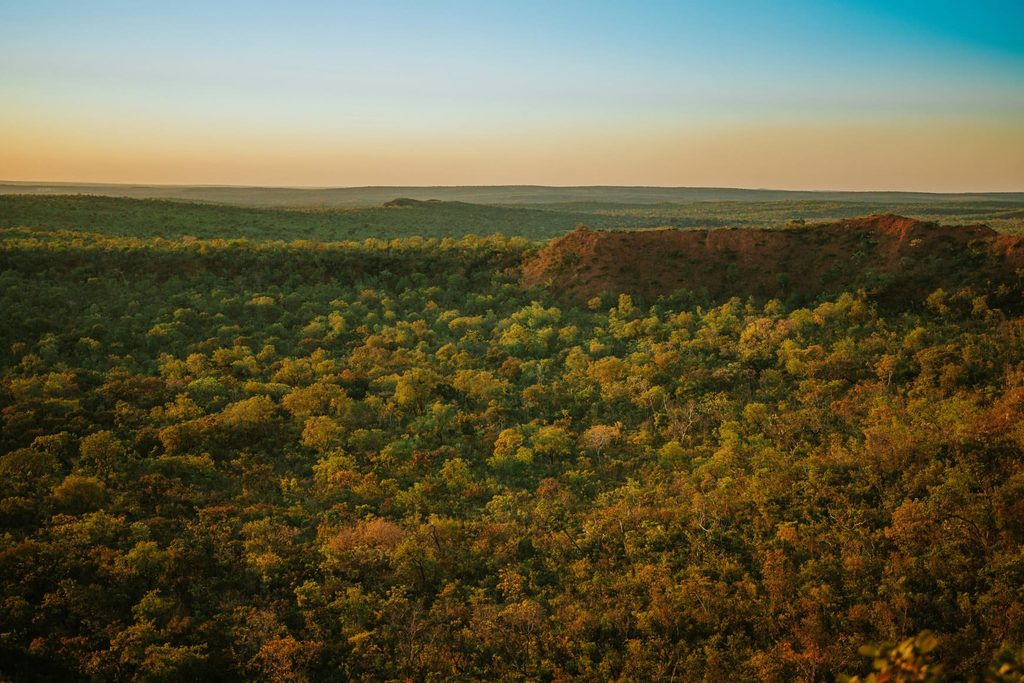
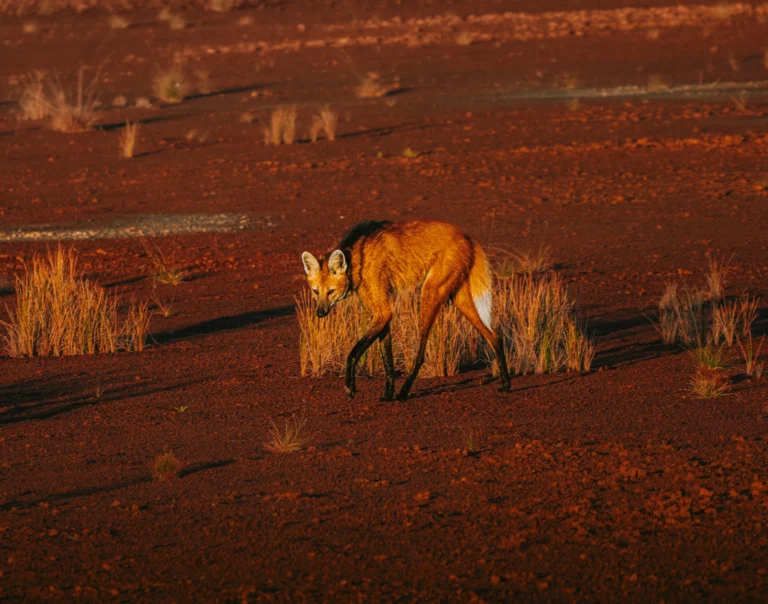
These differences matter. The Amazon’s humid forests support complex networks of plants, insects, birds and mammals. Meanwhile, the Cerrado combines grasslands, shrublands and woodland formations. Its plants have adapted to seasonal drought, nutrient-poor soils and natural fire regimes.
Further east, the Atlantic Forest stretches along much of the coastline. Its variation in altitude, temperature and rainfall creates numerous habitats. Many species evolved within these isolated environments, resulting in high levels of endemism. In the northeast, the Caatinga demonstrates how life adapts to semi-arid conditions. The Pantanal, meanwhile, follows an annual flood cycle that transforms its wetlands and influences wildlife movements.
Therefore, Brazil’s biodiversity reflects the variety of environments within its borders, rather than the size of its forests alone.
Geography and Evolution Shape Species Diversity
Climate and geography help explain why so many species coexist across Brazil. Rainfall, temperature, altitude and soil composition influence which plants can grow in each region. These conditions, in turn, shape the habitats available to animals.
The Amazon provides a particularly interesting example. Its rivers have influenced the evolution and distribution of species over geological time. River channels can separate populations, while changing floodplains create new habitats. These processes help explain the region’s remarkable biological variation.
Transitions between biomes add another layer. Where the Amazon meets the Cerrado, different vegetation formations overlap. Research on this transition has identified a complex mix of plant communities, including species associated with both major ecosystems. Such ecological boundaries can support additional layers of diversity.
Water Is Part of the Biodiversity Story
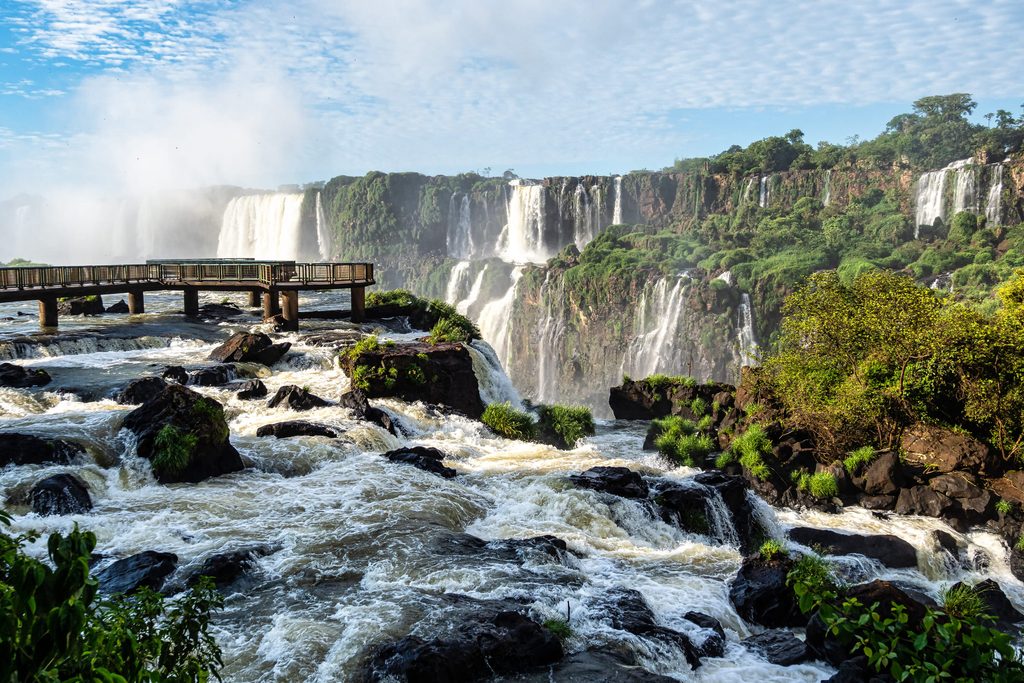
Brazil also holds an exceptional share of the world’s freshwater resources. Its rivers, wetlands and floodplains support ecosystems that depend on seasonal changes in water levels.
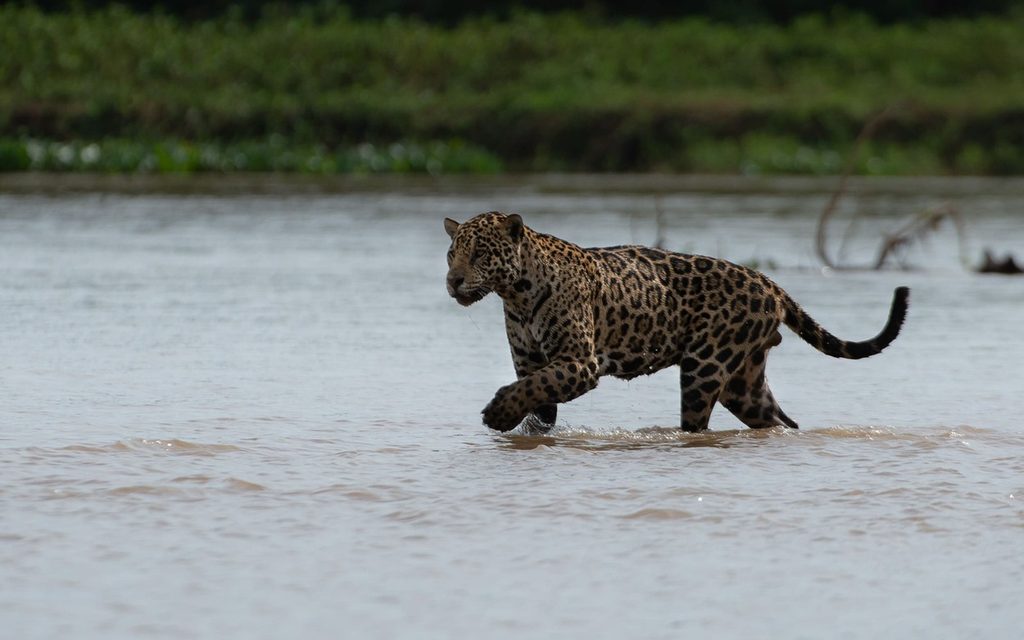
In the Pantanal, annual flooding connects rivers, lakes and grasslands. This cycle influences fish reproduction, bird feeding grounds and the movements of mammals. Along the Amazon, river dynamics shape both aquatic and terrestrial habitats.
Consequently, biodiversity here is not limited to what visitors see on land. Fish, amphibians, aquatic plants and countless invertebrates form essential parts of these ecosystems.
A Natural Wealth That Requires Protection
Brazil’s biological richness also comes with significant conservation responsibilities. Agricultural expansion, deforestation, infrastructure development and habitat fragmentation threaten ecosystems across the country. Climate change adds further pressure by altering rainfall patterns and increasing extreme events.
Scientific research also shows that biodiversity remains incompletely documented. New species continue to emerge through fieldwork and taxonomic studies. Meanwhile, Indigenous peoples and traditional communities hold extensive knowledge of local species and ecological relationships. Their participation is essential to effective conservation.
Discovering Brazil Through Its Biomes
Understanding Brazil’s biodiversity means looking beyond its best-known landscapes. Each biome reveals different ecological processes, wildlife and relationships between people and nature.
For travellers, this diversity offers many ways to explore the country. A wildlife expedition in the Pantanal differs greatly from birdwatching in the Atlantic Forest or exploring the savannas of the Cerrado. Each experience reveals a different part of Brazil’s natural heritage.
At South Quest, we design journeys that connect travellers with these distinct environments. Contact us to discover Brazil through its extraordinary biodiversity.