Discover stories from the field, expert advice, and travel inspiration across Latin America.
Pumas of Patagonia: What to Expect from the Expedition
Gustavo Kolonko | 11/16/2026
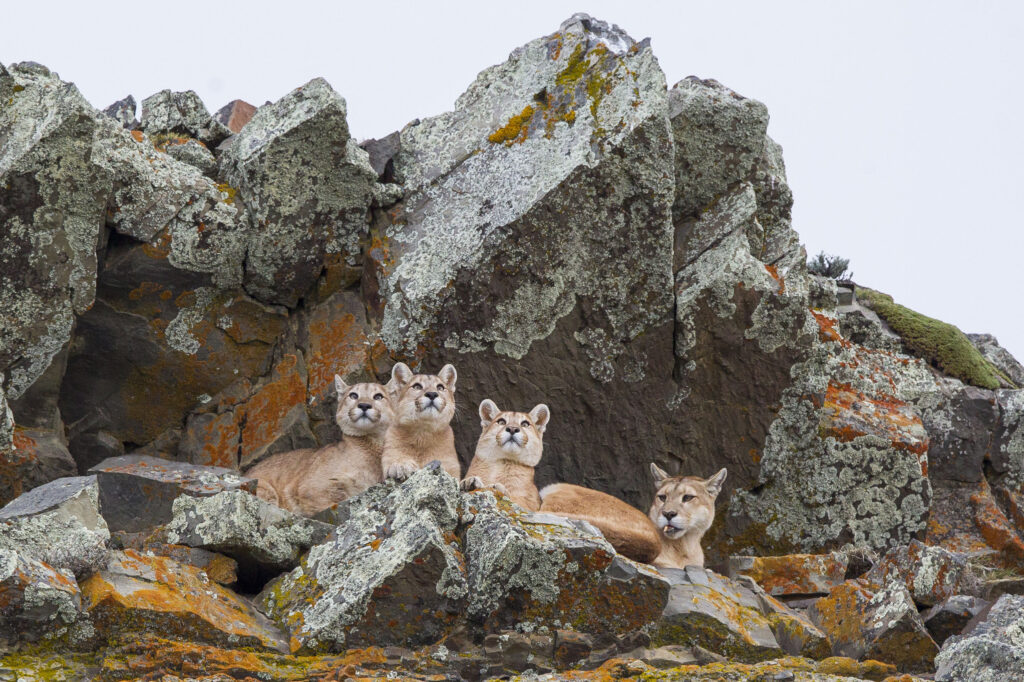
Few wildlife experiences compare to observing a wild puma in its natural habitat. In Chilean Patagonia, Torres del Paine offers a remarkable setting for this encounter. Its open steppe, rugged mountains and scattered forests support one of South America’s most studied puma populations.
However, a puma expedition involves much more than searching for a large predator. It requires patience, field knowledge and an understanding of the ecosystem that sustains it.
Following the Tracks of Patagonia’s Top Predator
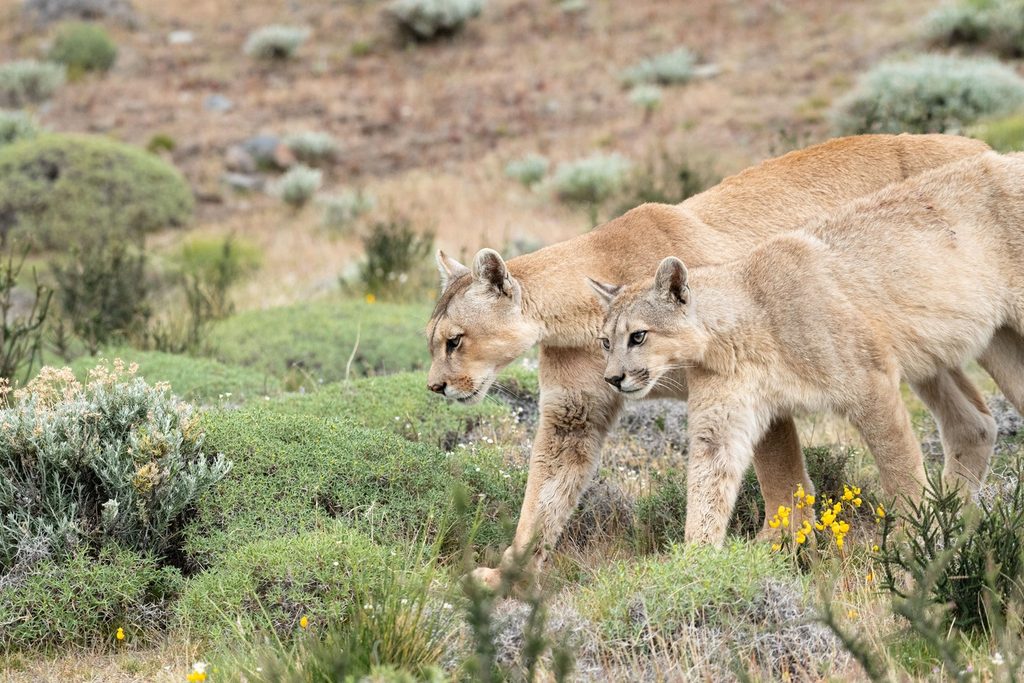
The puma (Puma concolor) is a solitary and adaptable predator. It moves across extensive territories, often using rocky outcrops, vegetation and changes in elevation for cover. Its presence in Torres del Paine is closely linked to the availability of prey, particularly guanacos.
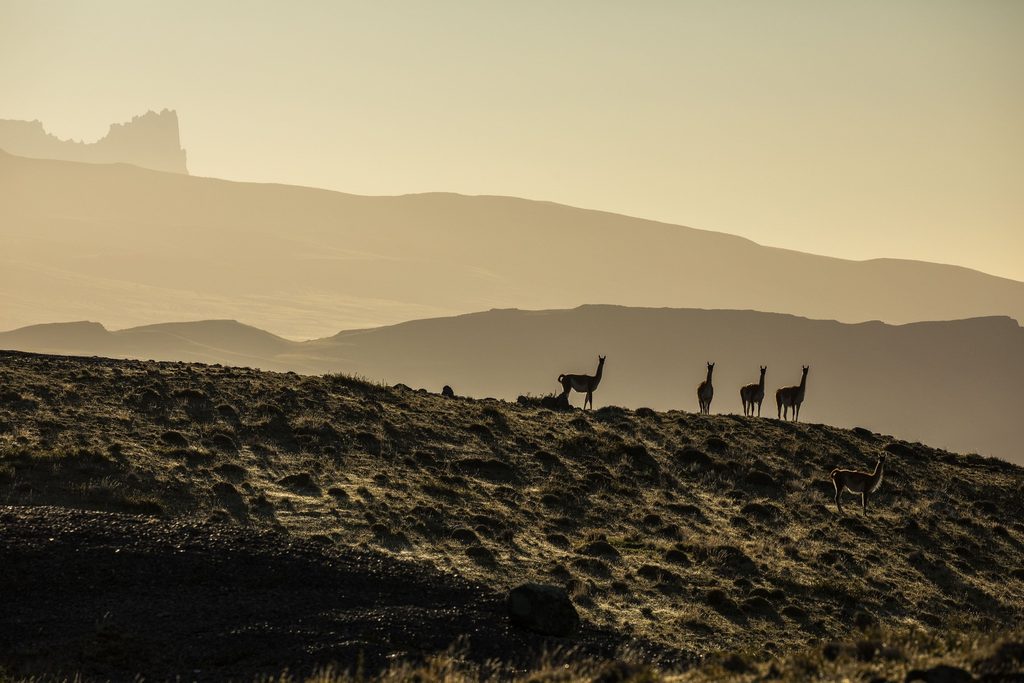
Research conducted in the park identified guanacos, especially young animals, as an important part of the puma’s diet. This relationship makes the open grasslands and guanaco habitats important areas for tracking.
Pumas can be active at different times of day. Dawn and dusk are particularly relevant periods for hunting activity. Therefore, the expedition schedule takes advantage of favourable observation windows rather than relying on random encounters.
What Happens During the Tracking Days?
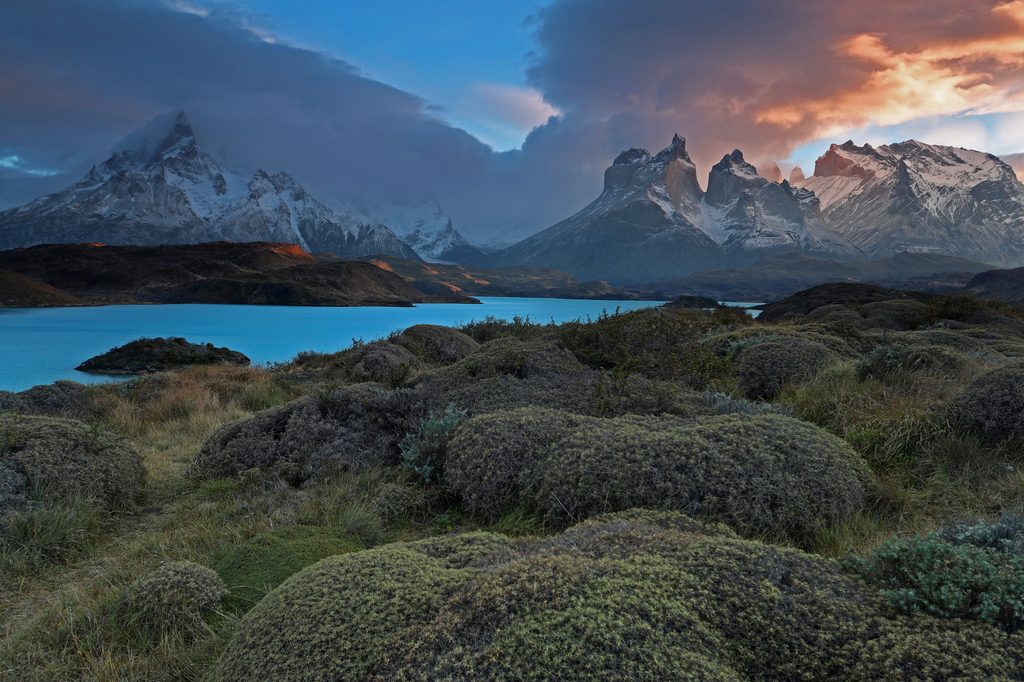
The expedition includes three full days dedicated to puma tracking. The search takes place around recognised puma habitats, including areas near the northern shore of Lake Sarmiento, Laguna Amarga and Laguna Azul.
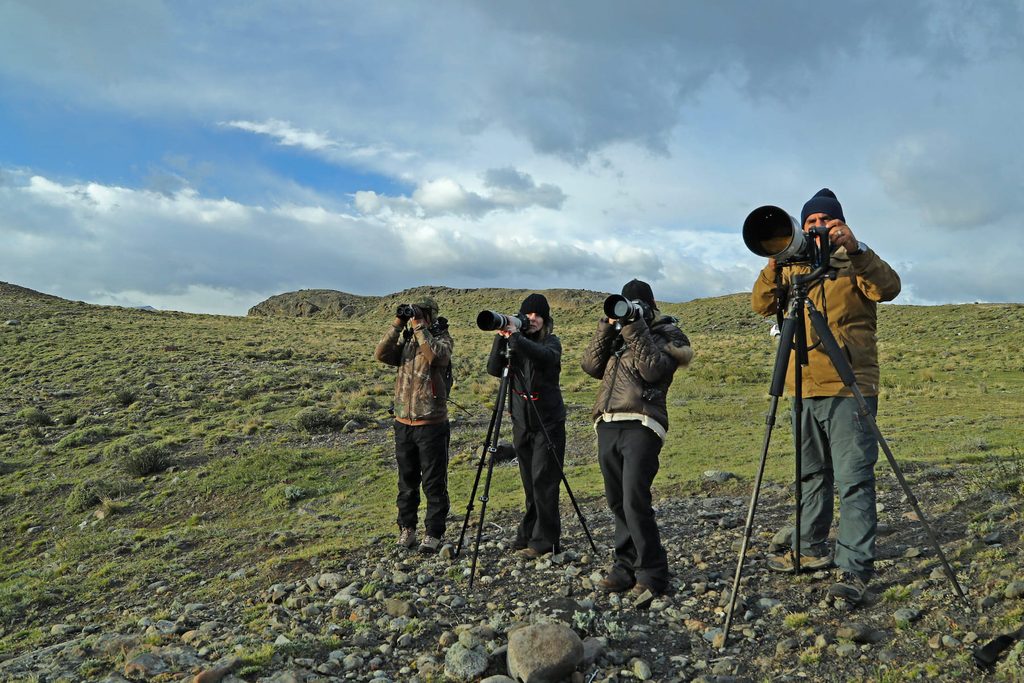
A specialist guide and local tracking team help locate animals and interpret signs in the landscape. Radio communication allows trackers to share sightings and coordinate the group’s movements. Once a puma is located, the group can approach an observation area while maintaining a respectful distance.
The experience is not limited to watching a cat move across the steppe. Depending on the animal’s behaviour, visitors may observe it resting, walking, interacting with its surroundings or feeding. Each sighting unfolds differently, and no encounter can be guaranteed.
For photographers, this means adapting to the conditions rather than expecting a staged scene. Light, distance, vegetation and the animal’s position all influence the possibilities. Binoculars also help visitors observe details that might otherwise go unnoticed.
More Than Pumas: Wildlife and Landscapes
The puma is the main focus, but it is not the only reason to explore this region. Guanacos are a frequent presence across the Patagonian steppe. Andean condors, caracaras and other birds of prey add movement to the open skies. Foxes and other smaller mammals may also appear along the way.
The landscape changes throughout the expedition. The open plains give way to mountain views, lakes and patches of subpolar forest. These contrasts are part of what makes Torres del Paine such a compelling wildlife destination.
Exploring Torres del Paine National Park
After the tracking days, the itinerary dedicates two full days to exploring Torres del Paine National Park. This offers a different perspective on the region, with time to appreciate its geological features and iconic viewpoints.
Highlights include Salto Grande waterfall, the Cuernos del Paine and the viewpoints around Laguna Amarga. Lake Grey offers another striking landscape, with icebergs from Grey Glacier sometimes visible on the water.
These days balance the focused tracking experience with a broader exploration of Patagonia’s scenery.
Responsible Puma Observation
Puma tourism requires careful management. Repeated disturbance can affect wildlife behaviour, particularly when visitors approach animals too closely or interrupt hunting and feeding.
Torres del Paine’s local authorities, alongside conservation organisations, developed a protocol for responsible puma viewing. Its guidelines establish minimum observation distances and specific precautions for sensitive situations, including females with cubs and animals hunting prey.
Following these practices protects both wildlife and visitors. It also reinforces an essential principle: a successful expedition should never compromise the animal’s welfare for a photograph.
A puma expedition in Patagonia combines specialist tracking, wildlife observation and some of Chile’s most remarkable landscapes. With three dedicated tracking days and two days exploring the national park, this seven-day journey offers time to experience the region beyond a single wildlife encounter.
Contact us to discover the pumas of Patagonia and plan your expedition in Torres del Paine.