Discover stories from the field, expert advice, and travel inspiration across Latin America.
Peru Beyond Machu Picchu
Gustavo Kolonko | 09/14/2026
Most journeys to Peru begin with a single iconic image: the stone ruins of Machu Picchu emerging through the mountain mist. While this ancient sanctuary deserves its place among the world’s great wonders, defining an entire nation by one landmark barely scratches the surface. Beyond the crowded trails of the Incas lies a country of staggering geographical contrast and deep cultural layers. Coastal desert dunes meet icy alpine peaks, while ancient agricultural engineering powers one of the world’s most innovative culinary scenes. Stepping past the obvious tourist routes reveals a far richer, more compelling story.
The Coastal Deserts of Paracas and Nazca
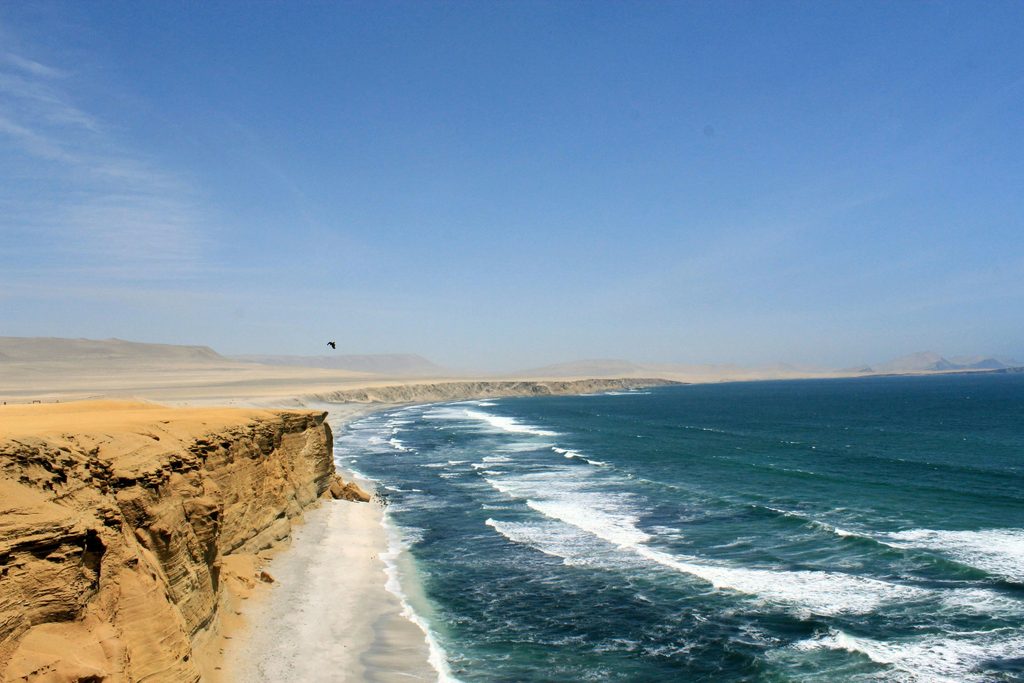
Moving south from Lima, the arid Pacific coastline presents dramatic desert topographies. The Paracas National Reserve showcases stark red sand dunes dropping abruptly into rich ocean waters. Offshore, the Ballestas Islands shelter vast colonies of sea lions, Humboldt penguins, and marine birds. Further inland, the enigmatic Nazca Lines stretch across desolate plains. These massive ancient geoglyphs remain one of humanity’s greatest archaeological mysteries. Exploring these coastal expanses provides a striking contrast to the lush Andean highlands.
Paracas National Reserve
Alpine Glaciers of Huaraz and High-Altitude Wonders
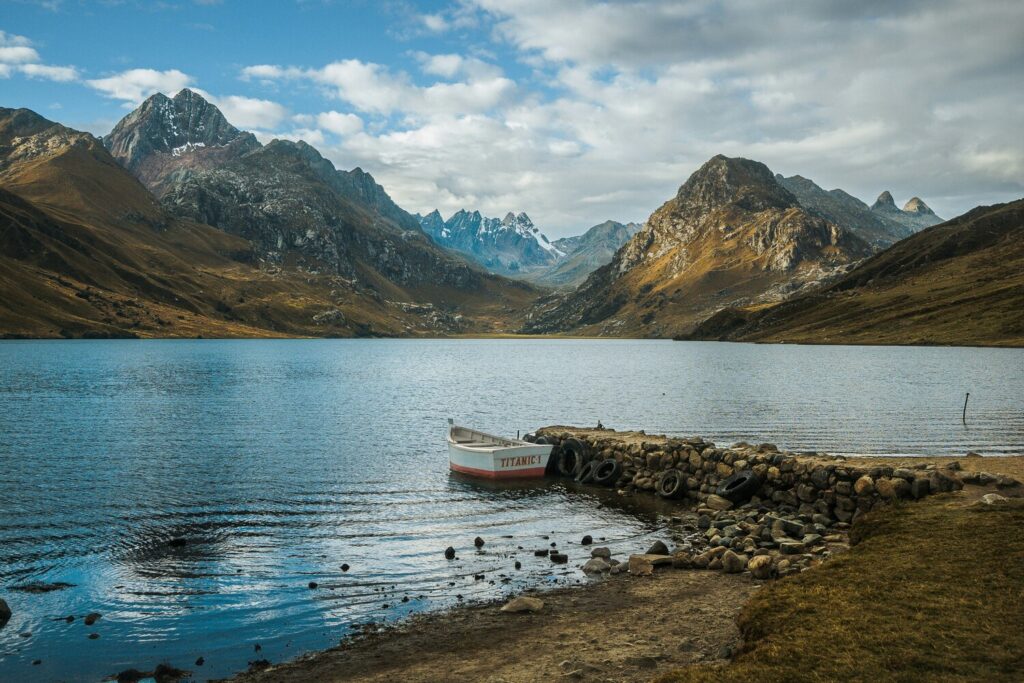
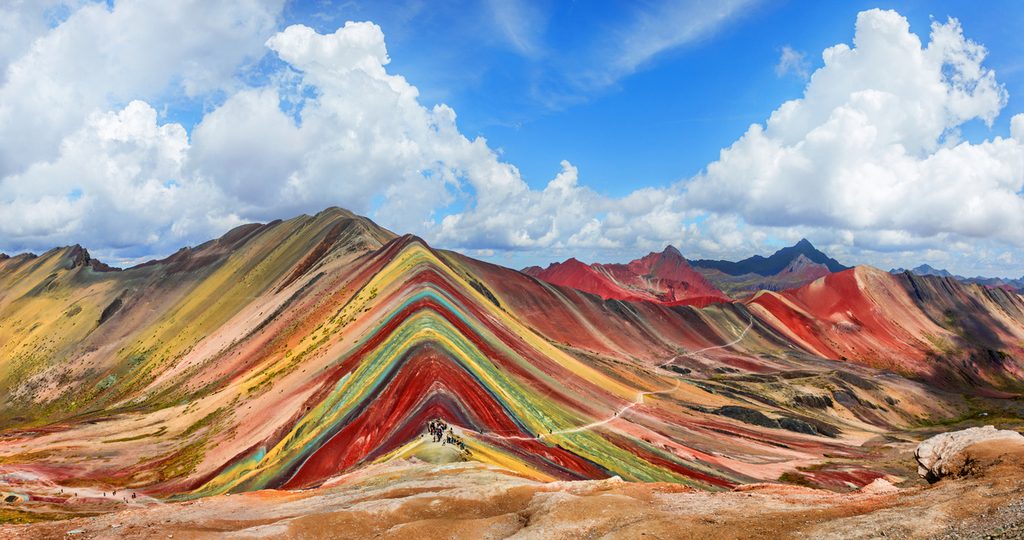
For alpine enthusiasts, the Cordillera Blanca region surrounding Huaraz offers South America’s premier high-altitude trekking. Towering turquoise glacial lakes sit beneath dramatic, snow-capped Andean peaks. Meanwhile, geological marvels like Vinicunca, commonly known as Rainbow Mountain, showcase millions of years of mineral weathering. Natural deposits of iron, sulfur, and copper create vivid, multicolored stripes across these high-elevation ridges. These extreme environments demand proper acclimatization and reward travelers with raw, high-altitude wilderness.
Rainbow Mountain in Cusco, Peru.
Artisan Traditions in the Sacred Valley Towns
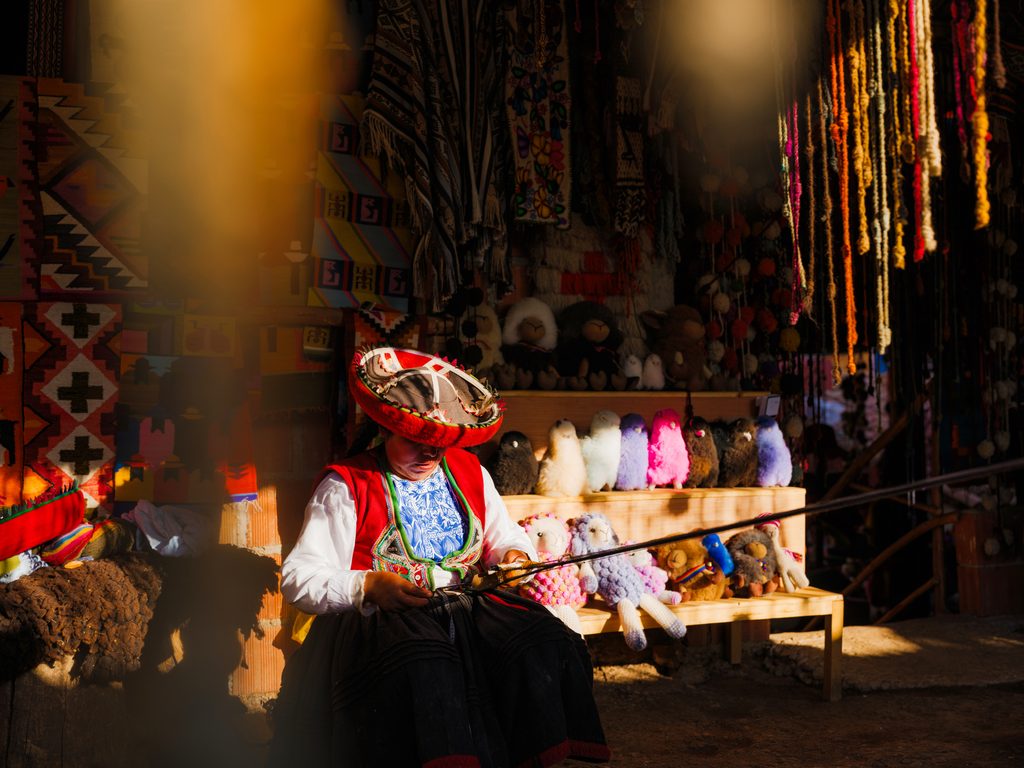
While most travelers rush through the Sacred Valley toward the train station, its small towns deserve slow exploration. Settlements like Chinchero, Maras, and Pisac preserve living cultural traditions. In Chinchero, master weavers demonstrate complex textile arts using natural botanical dyes and indigenous alpaca wool. Nearby, the salt mines of Maras display thousands of terraced evaporation ponds worked by local families since pre-Inca times. Visiting these communities directly supports regional heritage and ancient craftsmanship.
Indigenous woman of Sacred Valley weaving traditional crafts, Peru
High-Altitude Culinary Innovation
Peru’s culinary renaissance extends far beyond urban ceviche bars. Modern Peruvian gastronomy draws directly from indigenous agricultural biodiversity. Chefs collaborate with indigenous farmers to source native tubers, high-altitude grains, and Amazonian herbs. In the Sacred Valley, experimental dining projects explore ecological altitudes. Menus mirror specific elevations, ranging from coastal marine life to high-Andean potatoes grown four thousand meters above sea level. Dining here becomes an educational journey through Peru’s distinct microclimates.
Engineering Your Peruvian Journey
Uncovering Peru requires thoughtful logistical design and deep territorial knowledge. Balancing high-altitude ascents with coastal desert traverses demands strategic pacing and expert local guidance.
At South Quest, we design private expeditions that highlight Peru’s most authentic, understated regions. Discover the living culture, diverse biomes, and culinary mastery that make Peru a world-class destination.