
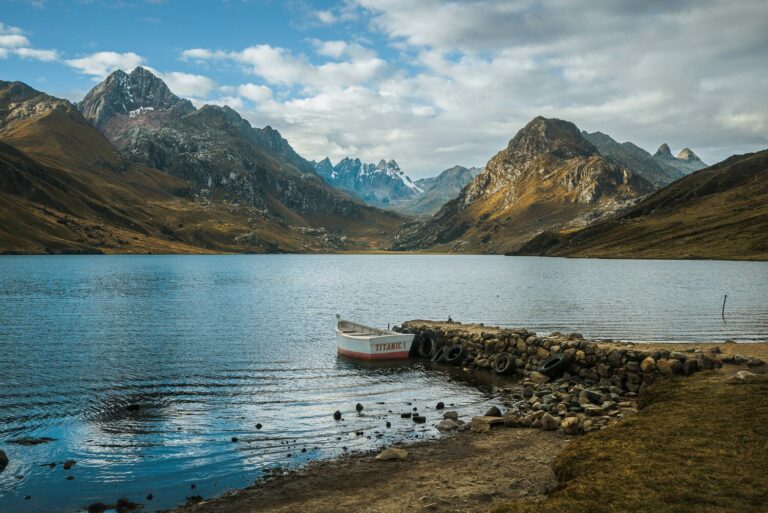
Peru Beyond Machu Picchu
Most journeys to Peru begin with a single iconic image: the stone ruins of Machu Picchu emerging through the mountain mist. While this ancient sanctuary deserves its place among. Read more >>
Discover stories from the field, expert advice, and travel inspiration across Latin America.
Brazil holds one of the highest concentrations of biodiversity on Earth. Beyond famous postcards, the country harbors vast biomes where wild encounters happen at remarkably close range. For serious wildlife photographers, capturing these moments demands precise field access, expert local tracking, and an understanding of seasonal shifts. From giant river otters to rare endemic birds, exploring Brazil’s key ecosystems reveals extraordinary visual stories.
The Pantanal stands as the world’s largest tropical wetland. Unlike dense rainforests, its open alluvial plains offer unobstructed sightlines for wildlife photography. During the dry season, rivers recede into isolated pools, concentrating wildlife along the water’s edge.
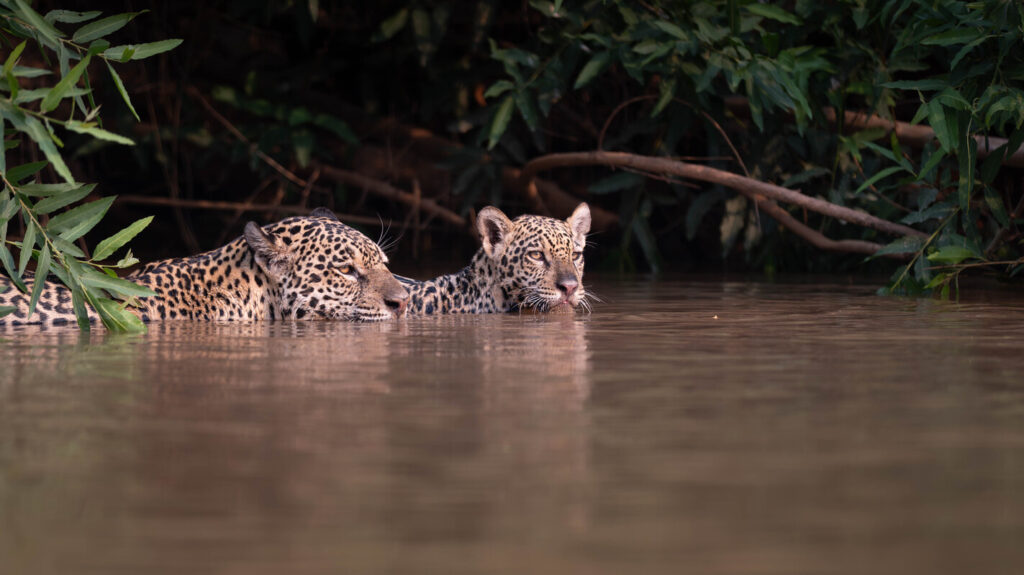
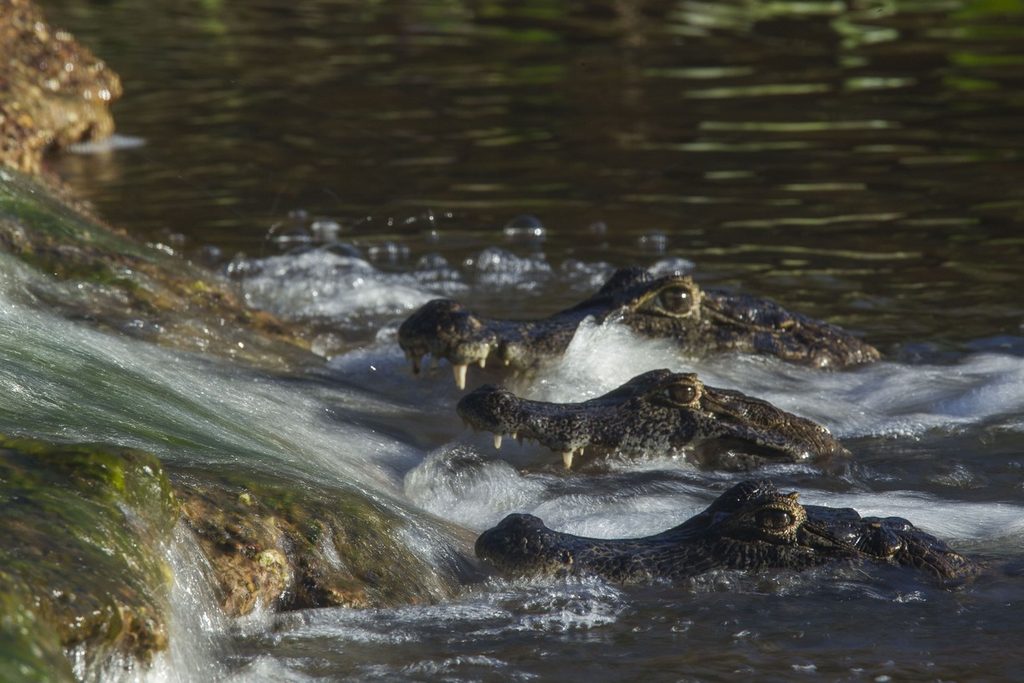
In regions like the Meeting of the Waters State Park, riverbanks become prime territories for jaguars. Photographers observe these massive cats hunting caimans along exposed sandbars. Additionally, boat-based sessions provide stable platforms for capturing giant otters, capybaras, and hundreds of jabiru storks. The sheer density of megafauna makes the Pantanal an essential destination for big-cat photography.
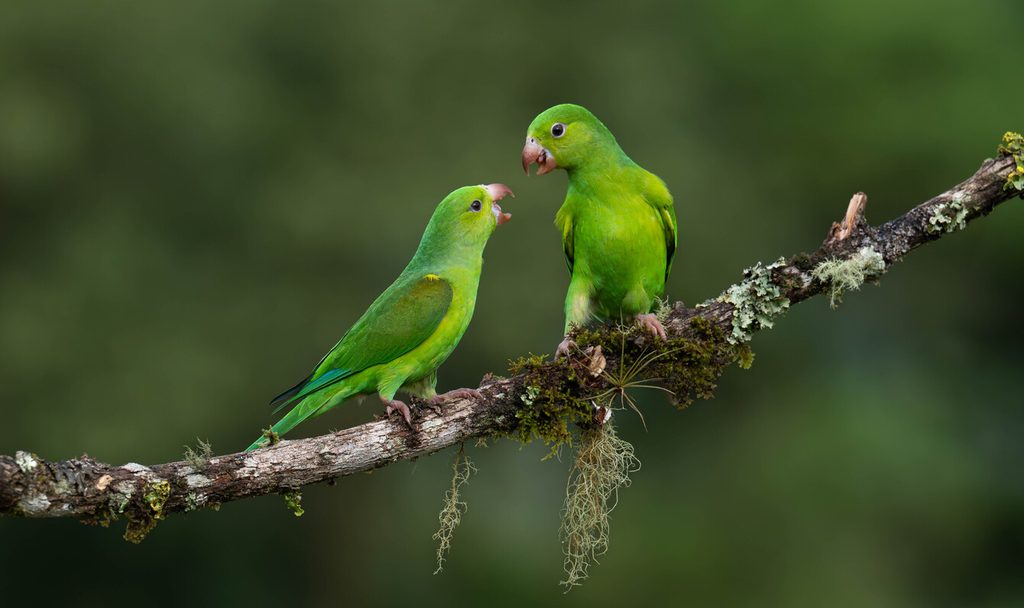
While the Amazon covers more territory, the Atlantic Forest boasts astonishing levels of species endemism. Centuries of isolation produced bird species found nowhere else on the planet. High-elevation reserves and protected corridors host an incredible variety of jewel-toned tanagers, toucans, and hummingbirds.
Photographers focus on specialized reserves equipped with carefully managed hides and natural perches. Locations like the Serra dos Órgãos range and coastal mountain slopes allow close-up behavioral shots. Furthermore, patience in these lush canopies yields images of rare primates, including the golden lion tamarin moving through dense bromeliads.
Brazil’s semi-arid Caatinga biome remains one of its most underrated photographic frontiers. This rugged landscape of cacti and dry forest shelters exceptionally rare species adapted to harsh conditions.
In the sandstone canyons of northern Bahia, photographers gather to document the Lear’s Macaw. Every morning, these vibrant blue parrots launch from cliffside roosts into the early light. Capturing their flight against deep red canyon walls offers a striking visual contrast. Conservation projects here have successfully revived the population, creating reliable photographic opportunities for dedicated naturalists.
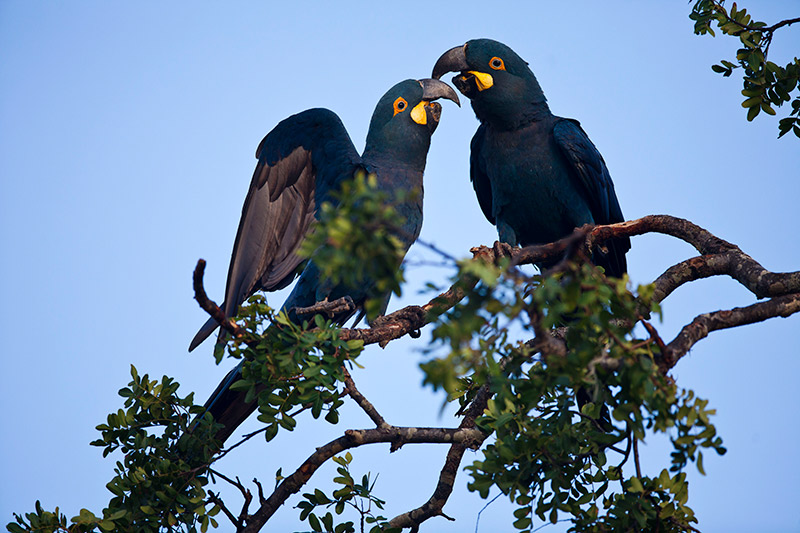
Photographing the Amazon requires navigating endless rivers and multi-layered rainforest canopies. Rather than searching for large land mammals, photographers focus on specialized micro-habitats and flooded forests known as igapós.
Navigating quiet tributaries by small boat reveals pink river dolphins breaking calm waters. Towering clay licks along riverbanks attract thousands of colorful parrots and macaws each morning. Working with native guides ensures photographers spot camouflaged species, including harpy eagles perched high in kapok trees.
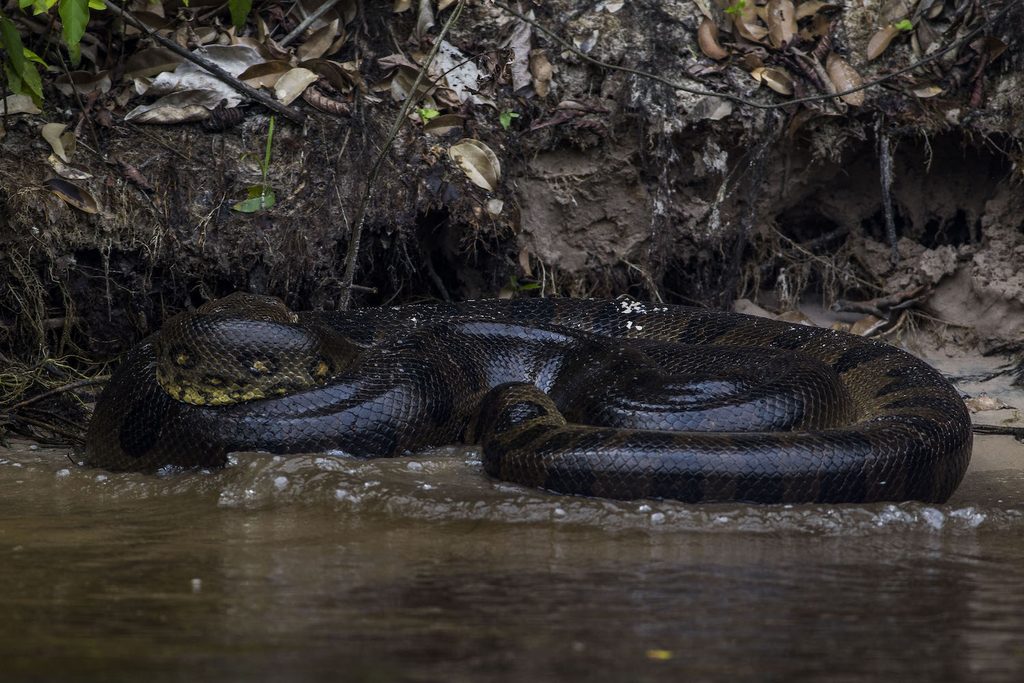
Executing a successful photography trip across Brazil requires seamless logistics and deep territorial expertise. Balancing seasonal timing with specialized equipment demands careful planning and native field trackers. At South Quest, we design private, low-impact expeditions that place photographers in prime wild locations at the perfect light. Contact us to experience the raw beauty and biodiversity that define Brazil’s ultimate natural sanctuaries.
Most journeys to Peru begin with a single iconic image: the stone ruins of Machu Picchu emerging through the mountain mist. While this ancient sanctuary deserves its place among. Read more >>

Iguassu Falls stands among the most breathtaking natural wonders on Earth. Spanning the border between Brazil and Argentina, this massive waterfall system features 275 individual drops. However, visiting each. Read more >>

Many travelers associate Brazil exclusively with lush Amazonian rainforests or sprawling Pantanal wetlands. However, the semi-arid northeast harbors a completely unique, highly resilient ecosystem. The Caatinga covers roughly ten. Read more >>