Discover stories from the field, expert advice, and travel inspiration across Latin America.
Four Conservation Initiatives Protecting Pantanal Wildlife
Gustavo Kolonko | 09/03/2026
The Pantanal holds one of the highest concentrations of wildlife in South America. However, seasonal fires, habitat fragmentation, and human encroachment constantly threaten this delicate ecosystem. Thankfully, dedicated science-based organizations work relentlessly on the ground. They research, protect, and restore native species across the biome. Here is how four key institutions safeguard the rich natural heritage of the Pantanal.
Onçafari
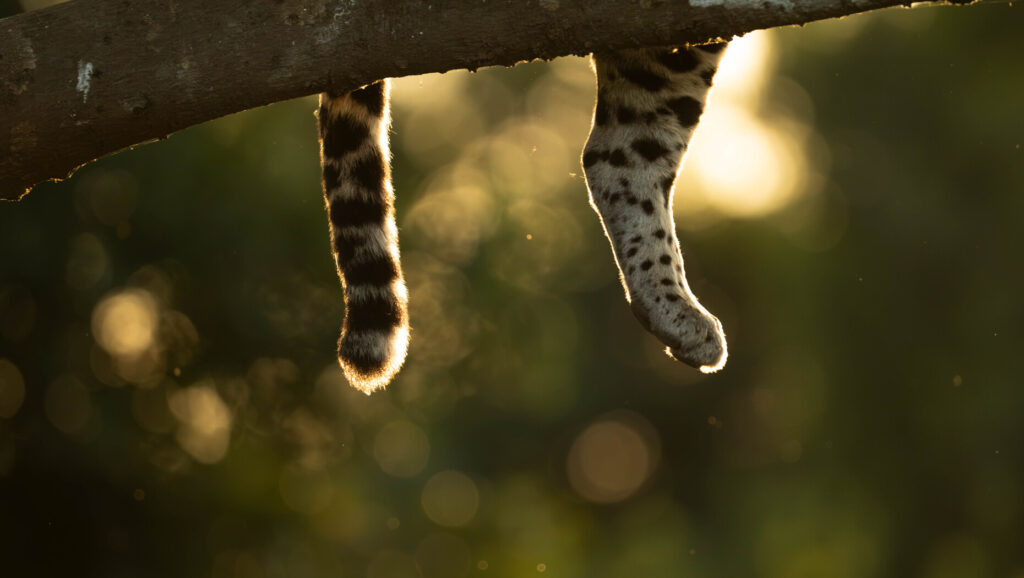
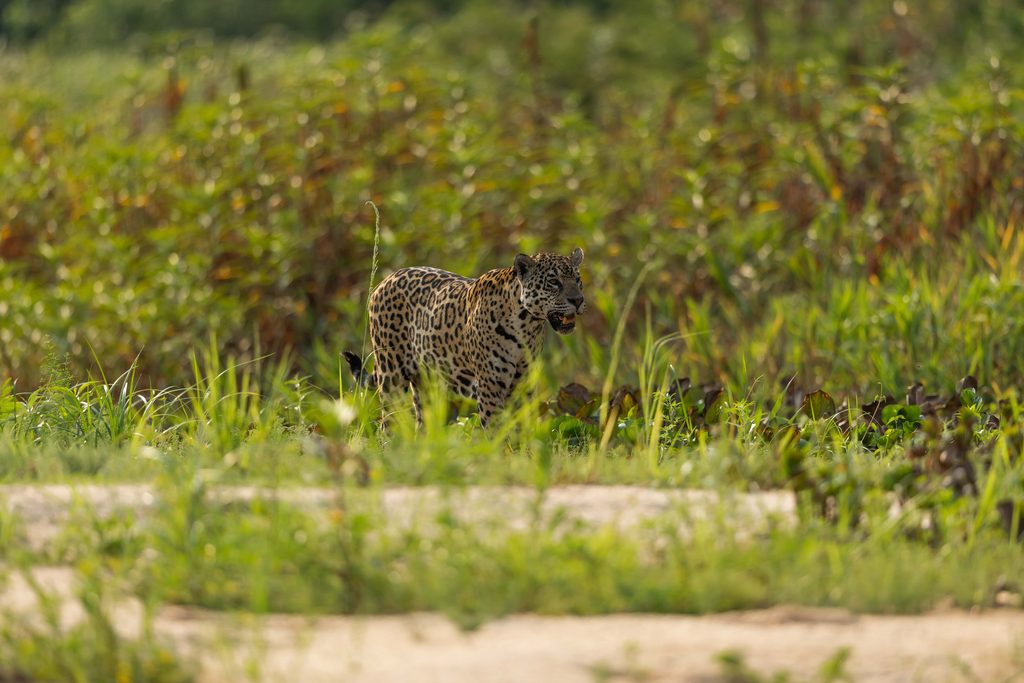
Founded in 2011, Onçafari focuses on conserving apex predators, particularly jaguars (Panthera onca). The organization operates primarily in the Caiman Ecological Refuge. It promotes habituation rather than domestication. This process allows wild jaguars to grow accustomed to safari vehicles without human interaction. Consequently, local landowners see live jaguars as economic assets through ecotourism.
Additionally, Onçafari leads critical rewilding efforts. The team rescues orphaned cubs, teaches them to hunt, and releases them back into the wild. Their extensive GPS tracking provides crucial data on territory sizes and movement corridors. This research proves that wildlife viewing creates sustainable economic alternatives to deforestation.
Projeto Arara Azul
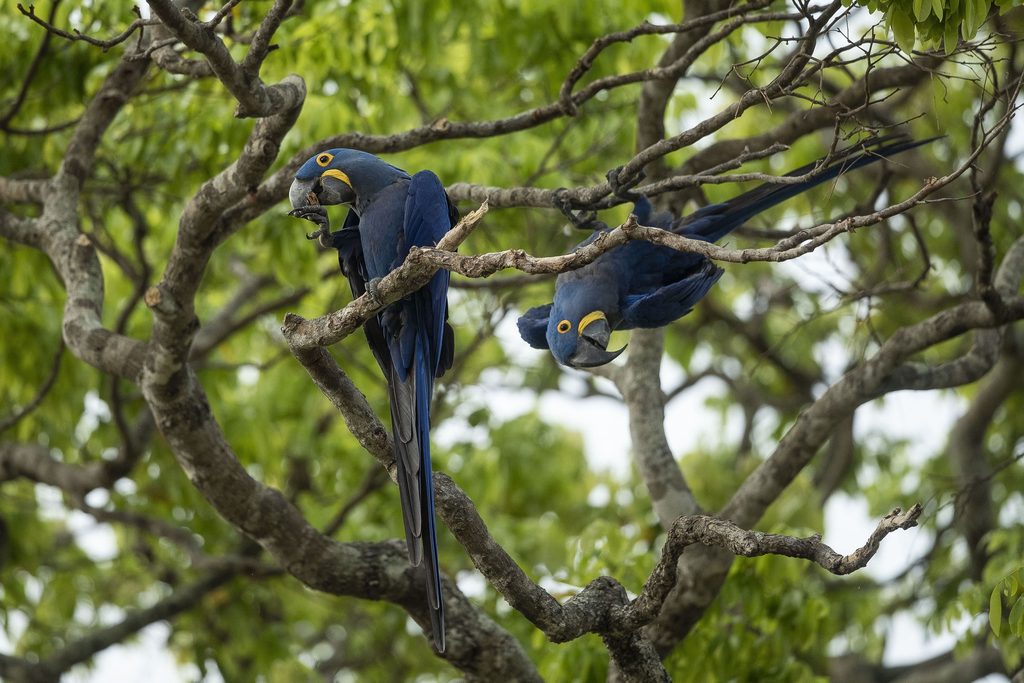
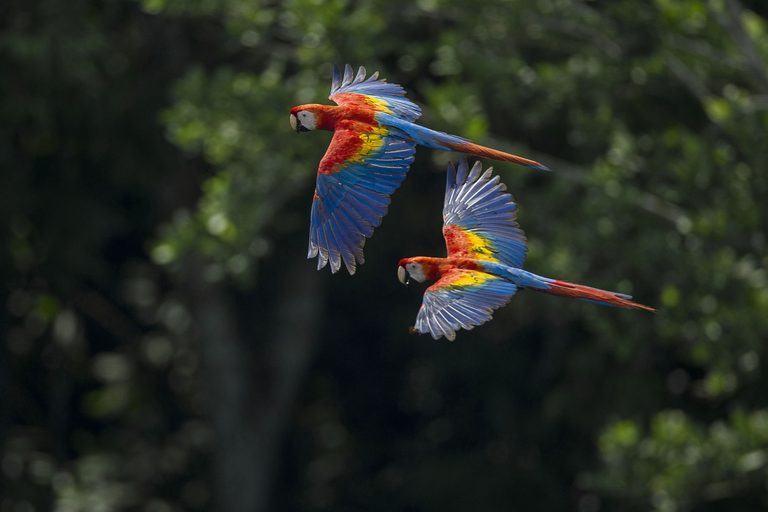
In the early 1990s, the Hyacinth Macaw (Anodorhynchus hyacinthinus) faced severe extinction risks due to illegal trade and habitat loss. Biologist Neiva Guedes founded Instituto Arara Azul to reverse this decline. The project focuses on nest monitoring and environmental education across the Pantanal.
Because these macaws depend on Manduvi trees for nesting, natural hollows remain extremely scarce. Therefore, the team installs durable artificial nest boxes across remote ranches. They monitor egg survival, chick health, and fledging rates year-round. Thanks to these decades of continuous field monitoring, the wild Hyacinth Macaw population has recovered significantly. Today, this work serves as a global model for avian conservation.
Instituto Tamanduá
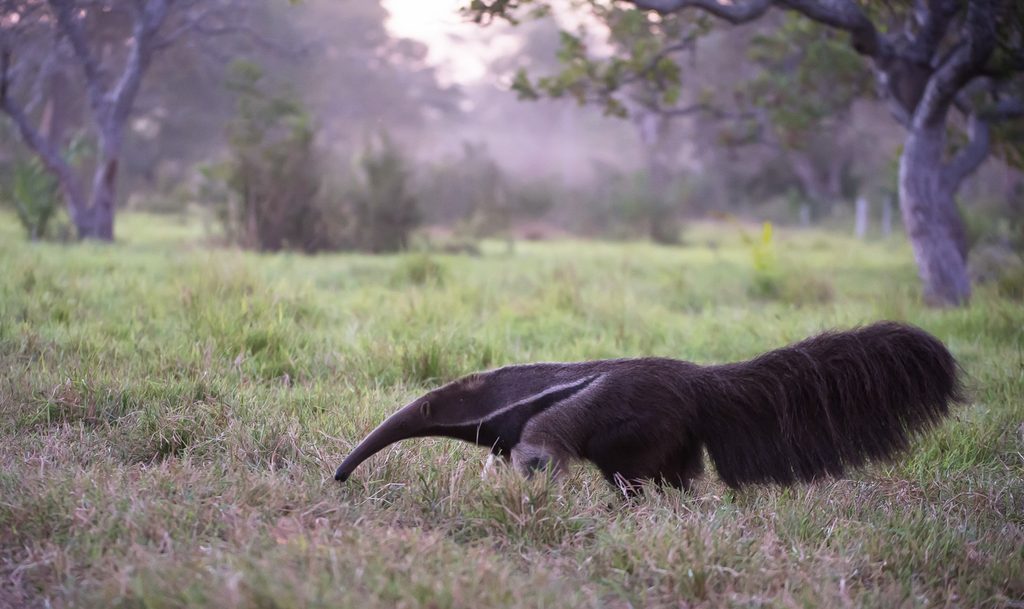
Anteaters, sloths, and armadillos form the ancient order Xenarthra. Instituto Tamanduá leads the field in researching these ecological specialists. In the Pantanal, their team focuses heavily on the Giant Anteater (Myrmecophaga tridactyla) and the Southern Tamandua (Tamandua tetradactyla).
The institution conducts vital research on animal thermal regulation and habitat selection. They fit individuals with tracking harnesses to monitor how anteaters navigate extreme summer heat and wildfire threats. Furthermore, the institute operates dedicated veterinary facilities to rehabilitate injured xenarthrans. Their field research helps authorities plan safer road corridors, reducing vehicle strikes along rural highways.
Projeto Papagaio Verdadeiro
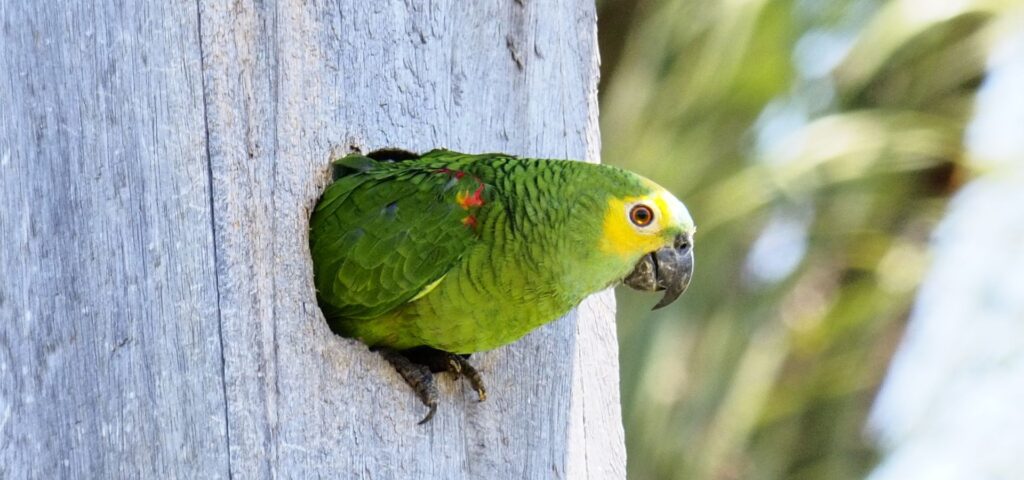
The Turquoise-fronted Amazon (Amazona aestiva) remains a primary target for the illegal pet trade. Projeto Papagaio Verdadeiro works to preserve wild populations throughout Mato Grosso do Sul. The organization focuses on mapping active nest sites and protecting wild chicks from poachers.
Field teams conduct regular nest inspections during breeding seasons to register new hatchlings. Simultaneously, the project delivers targeted environmental education to local rural communities. By teaching landowners the ecological value of seed dispersers, the project turns former poaching areas into protected breeding zones. Furthermore, their genetic mapping helps authorities track the origin of confiscated birds.