Discover stories from the field, expert advice, and travel inspiration across Latin America.
Where is the Pantanal? Discover the World’s Largest Wetland
Juliana Coin | 02/20/2026
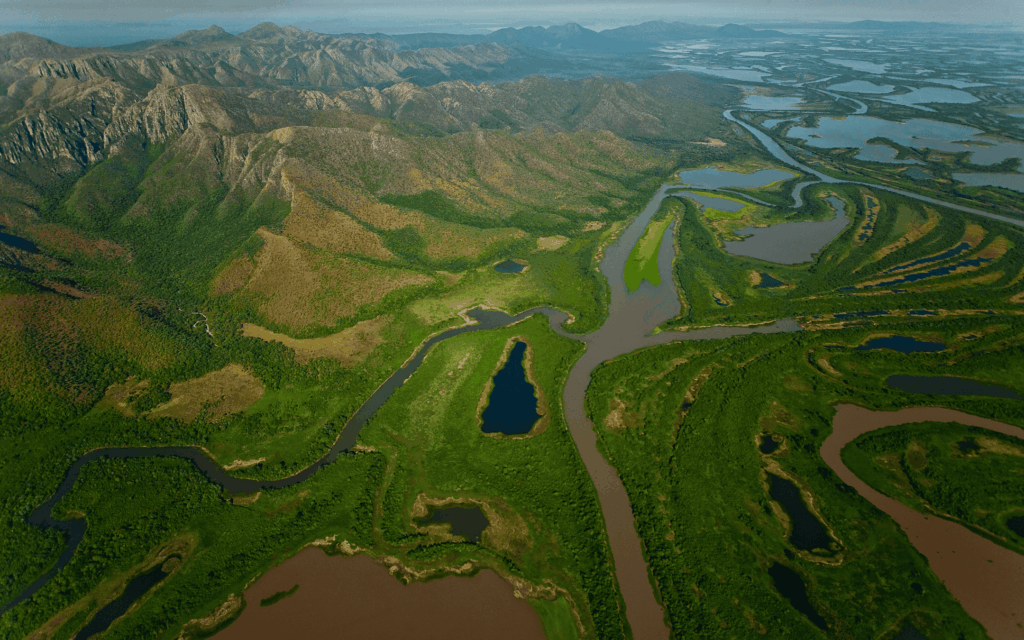
The Pantanal, located in the heart of South America, is the world’s largest tropical wetland. This transboundary region defies borders, stretching across Brazil, Bolivia, and Paraguay.
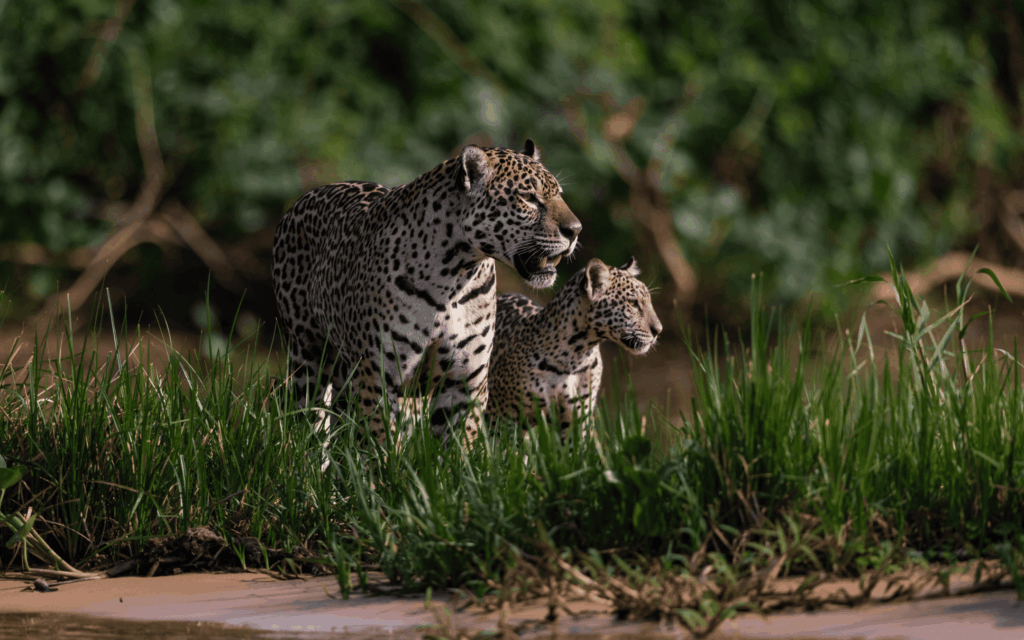
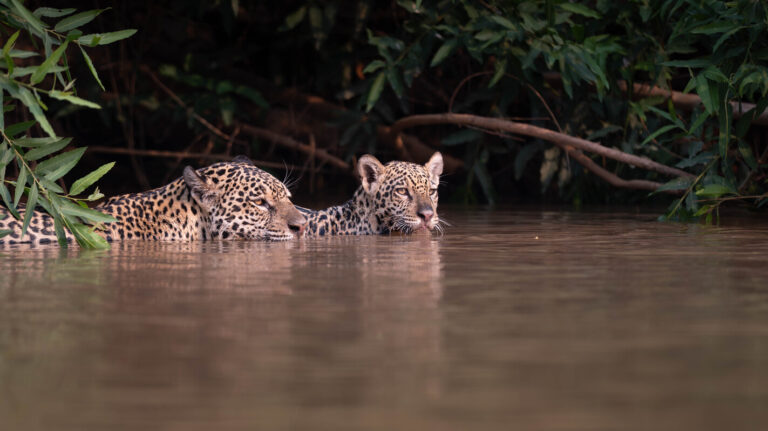
Situated in the central portion of the Upper Paraguay River Basin, the Pantanal is a sanctuary of biodiversity. A voyage to this destination is a journey to encounter nature in its most primal form — where majestic jaguars stalk their prey and Jabiru storks soar across the endless skies.
Where is the Pantanal Located in Brazil?
Within Brazil, the biome is divided between two primary states in the country’s Central-West region. Mato Grosso do Sul encompasses approximately 25% of the Pantanal area, while Mato Grosso holds 7% of the biome. Consequently, your journey to this sensational destination will begin in either Campo Grande (the capital of Mato Grosso do Sul) or Cuiabá (the capital of Mato Grosso).
João Marcos Rosa/South Quest
Wildlife You Will Encounter in the Pantanal
Known as the “Kingdom of Waters,” the Pantanal serves as a vital freshwater reservoir, contributing profoundly to climate stability and soil quality. These unique characteristics serve as a shield for rare species of both fauna and flora.
If your adventure in the Pantanal is driven by the desire to glimpse nature’s most awe-inspiring creatures, it is essential to discover the extraordinary species that inhabit this biome. Below, get a glimpse of the species you are likely to encounter during your journey.
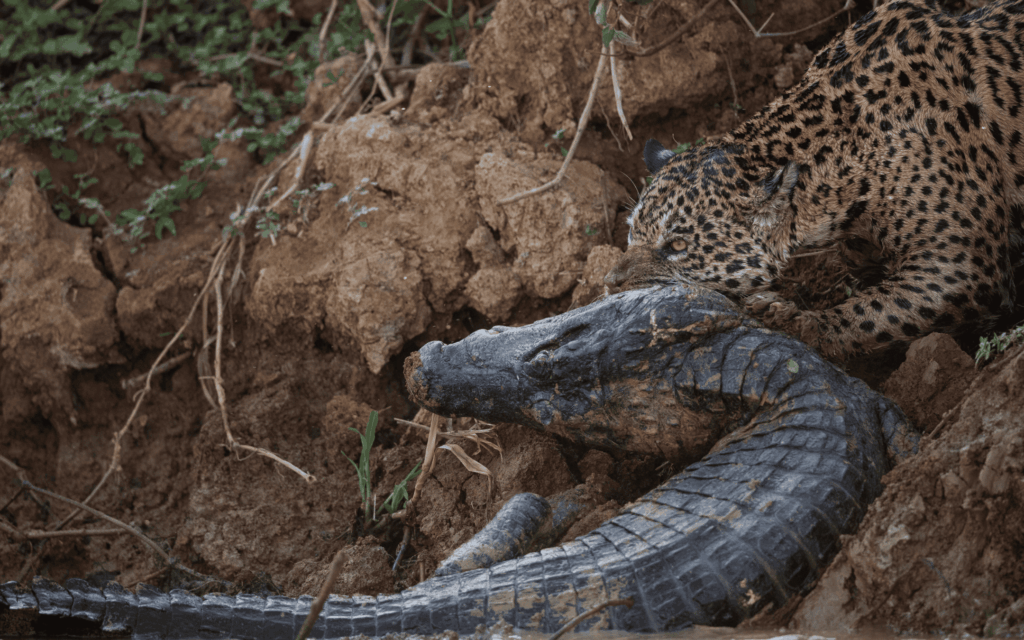
Jaguar hunting a Caiman
João Marcos Rosa/South Quest
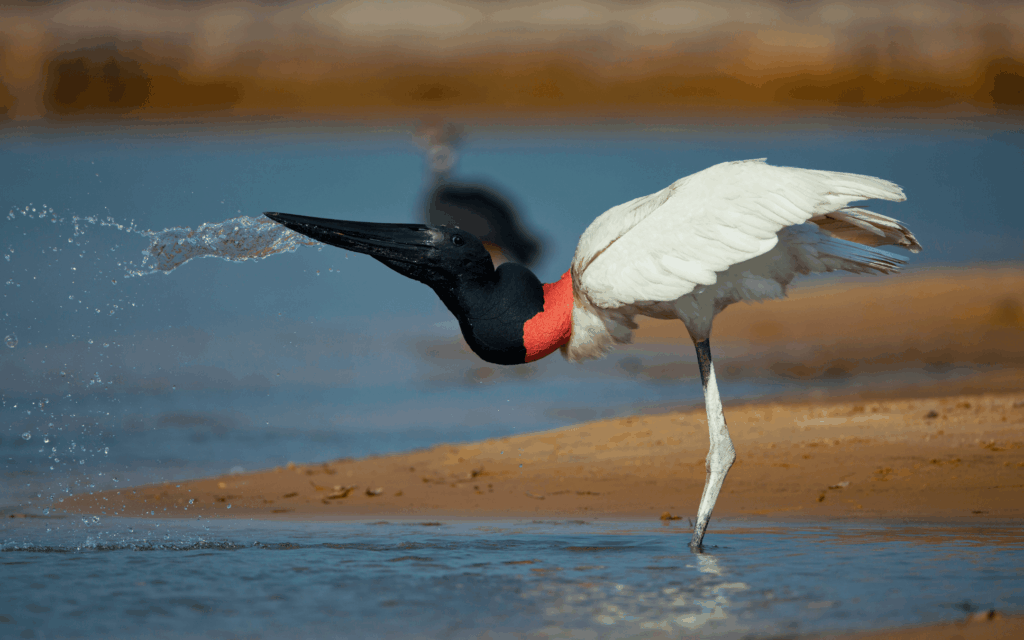
Jabiru
João Marcos Rosa/South Quest
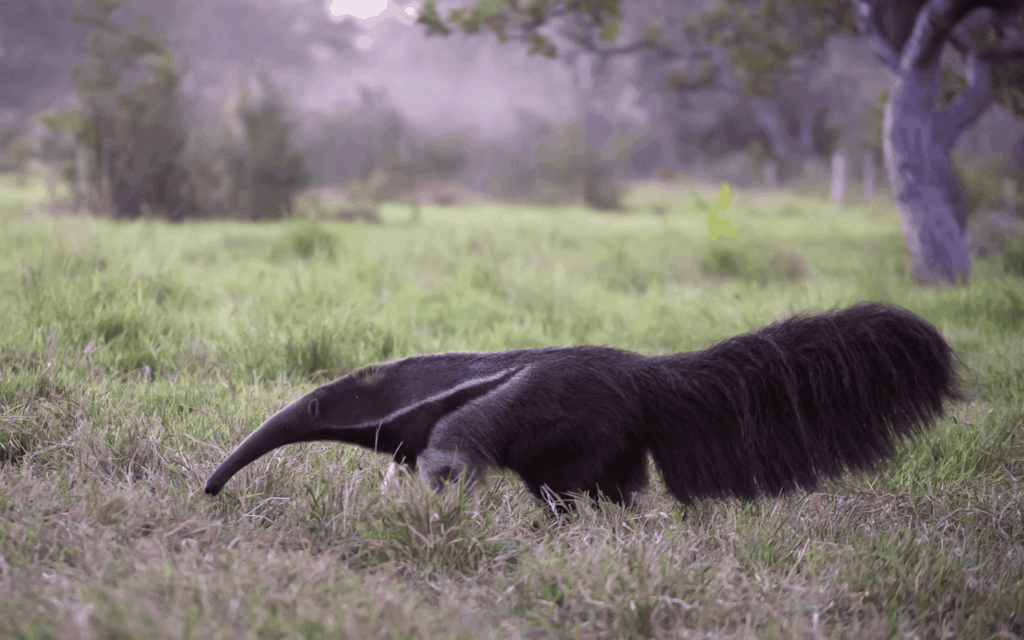
Giant Anteater
Ricardo Casarin/South Quest
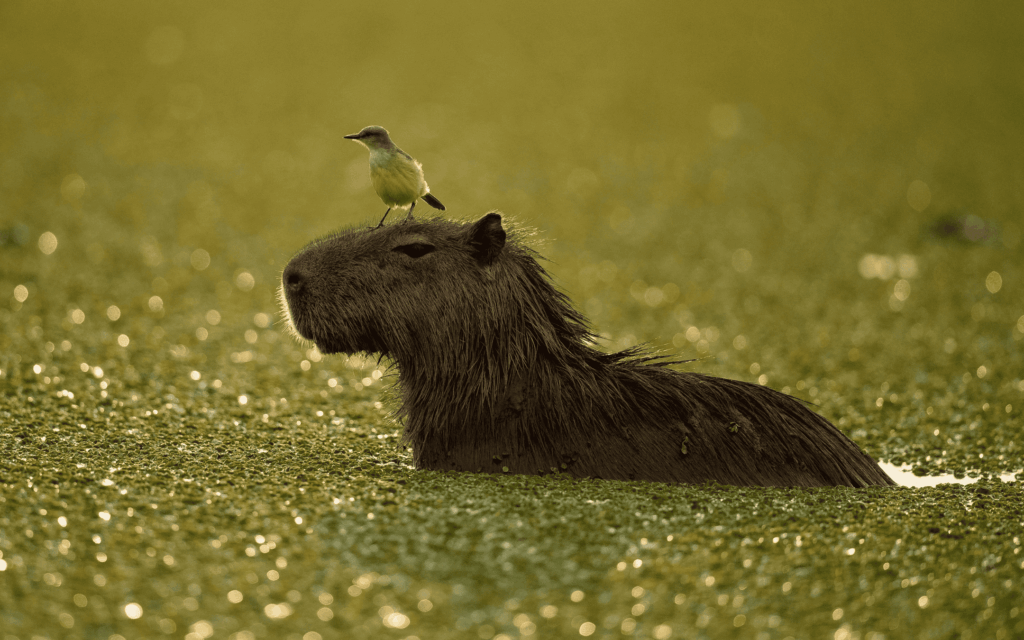
Capybara
João Marcos Rosa/South Quest
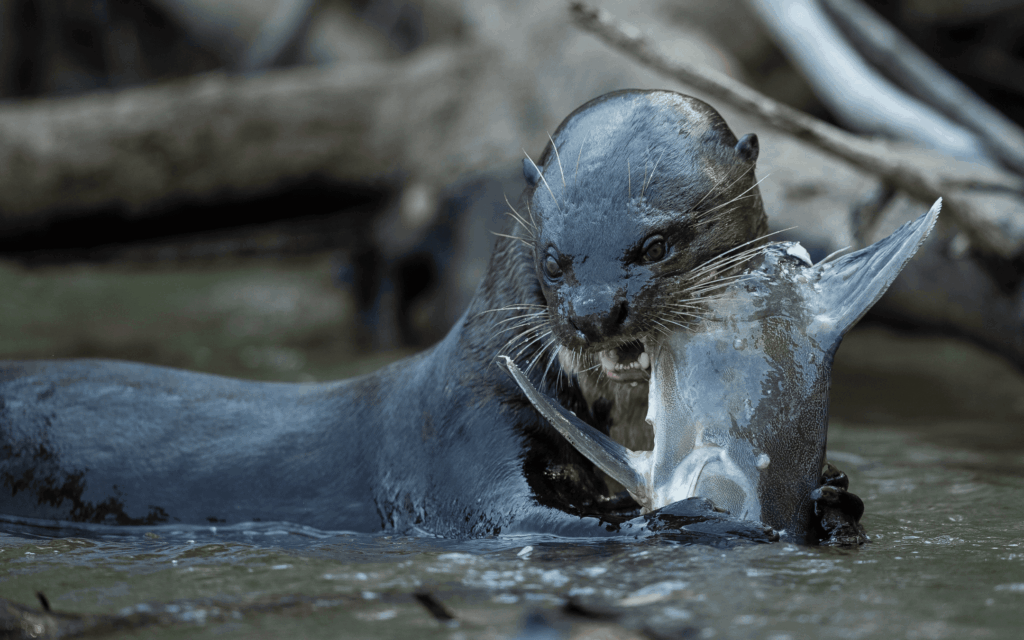
Giant Otter
João Marcos Rosa/South Quest
An Exclusive Experience with South Quest
South Quest curates memorable expeditions with a steadfast commitment to minimal environmental impact. We transform the complexity of the biome into personalized and secure itineraries.
Contact us to plan a tailor-made journey, allowing you to explore Brazil’s most preserved biome under the expert guidance of specialists.
Sources: Embrapa, WWF, Brazilian Network of Basin Organizations and others.