Discover stories from the field, expert advice, and travel inspiration across Latin America.
What Makes Lençóis Maranhenses Different From Other Deserts Around the World?
Gustavo Kolonko | 07/27/2026
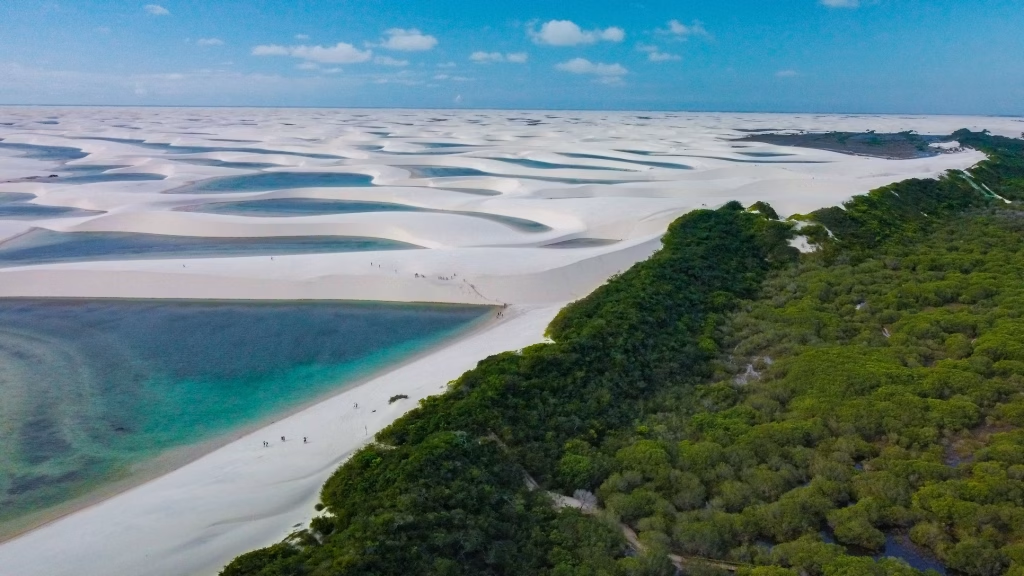
At first sight, Lençóis Maranhenses looks like a classic desert. Endless waves of golden and white sand stretch across the horizon. However, this Brazilian national park breaks every rule of traditional arid geography. Unlike the Sahara or the Atacama, this landscape defies dry conditions entirely.
A Desert Unlike Any Other
The defining feature of Lençóis Maranhenses is its relationship with water. While most deserts represent extreme dryness, this landscape shifts between two contrasting worlds.
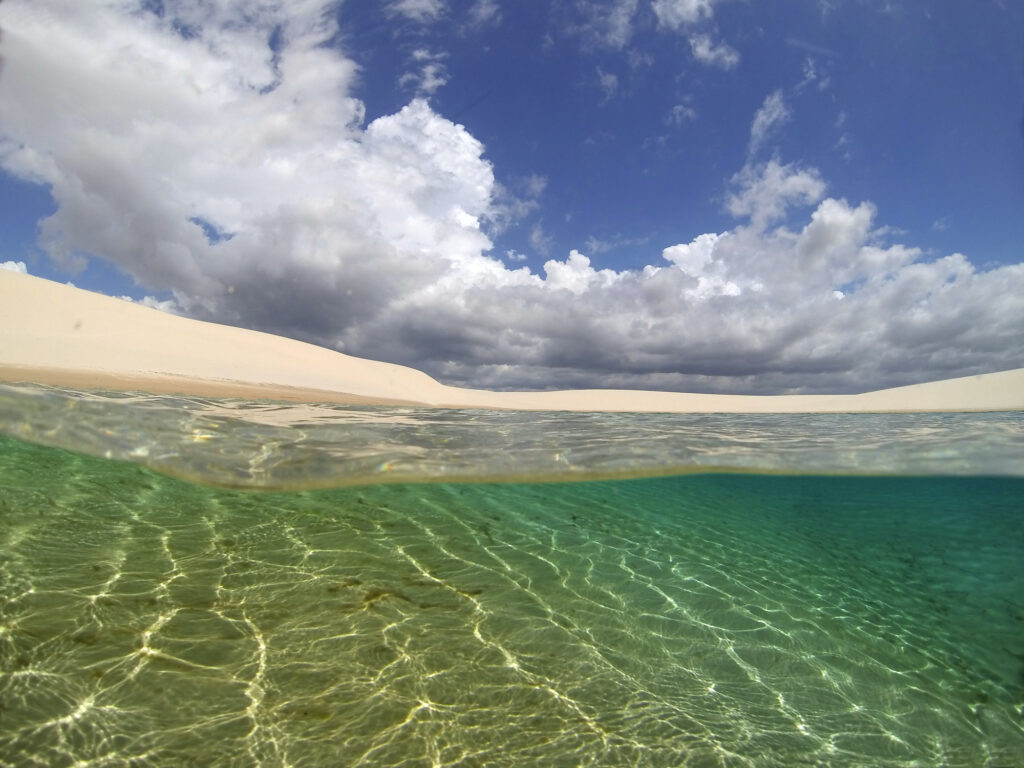
The secret lies right beneath the surface. Heavy seasonal rains fall between January and June, soaking the porous dunes. Instead of running off or evaporating completely, rainwater gets trapped by an impermeable layer of bedrock. Because of this rare geological feature, thousands of crystal-clear freshwater lagoons form between the dunes every single year.
Furthermore, this dynamic ecosystem teems with unexpected life. While typical deserts struggle with extreme aridity, these freshwater pools fill with fish, turtles, and flying insects brought in by seasonal floods. When the rains stop, the water slowly evaporates, yet aquatic life miraculously survives beneath the dry sand until the next wet season begins.
Sustainable Tourism Integration
Covering roughly 1,550 square kilometers, Lençóis Maranhenses was designated a national park to protect its fragile, shifting ecosystem from unchecked development and secure its status as one of South America’s most pristine wildernesses.
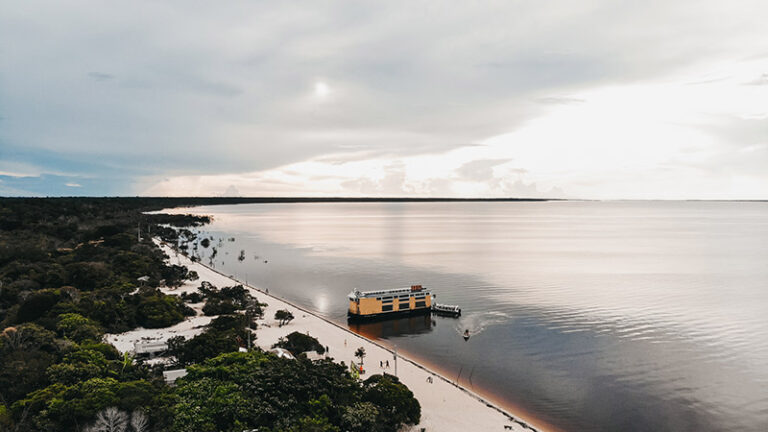
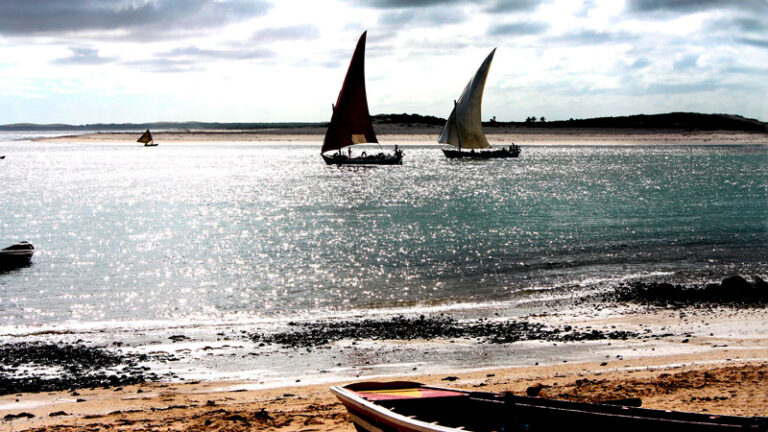
Despite its remote appearance, traditional communities—such as those living in oasis settlements nestled within the dunes (like Queimada dos Britos and Baixa Grande) or in fishing villages like Atins—have spent decades living in deep harmony with this extreme geography.
For generations, families have survived by combining small-scale agriculture, animal husbandry, and artisanal fishing. They rely on deep ecological knowledge to navigate a shifting landscape where standard roads do not exist. Today, this relationship continues to evolve. Many residents act as vital local guides, hosts, and conservation partners, ensuring that travelers experience the park responsibly while keeping ancestral traditions alive.
The Best Way to Experience Lençóis Maranhenses
Because of its size and changing conditions, exploring Lençóis Maranhenses requires thoughtful planning. The best time to visit is between early June until mid September, right after the heavy seasonal rains when the lagoons are at their fullest and most vibrant.
Travelers can explore the dunes by private 4×4 vehicles, walk along the lagoons, go kitesurfing, and experience sunsets that transform the entire horizon. Furthermore, a carefully designed itinerary allows visitors to discover different sides of the park. From the peaceful village of Santo Amaro to the coastal atmosphere of Atins, each region reveals a unique perspective.
A Real Turquoise Gem of Brazil
Lençóis Maranhenses challenges the idea of what a desert can be. Ultimately, it offers something truly rare: the vast, minimalist beauty of a desert combined with the vibrant energy of tropical wetlands. For travelers seeking a completely original landscape, nowhere else on Earth matches this breathtaking contrast.
Connect with our expert travel designers today to craft your custom expedition, perfectly blending the breathtaking landscapes of Lençóis Maranhenses with the authentic local respect and immersive experiences you expect.