Discover stories from the field, expert advice, and travel inspiration across Latin America.
Two Sides of the Andes: Chilean vs Argentinian Patagonia
Gustavo Kolonko | 10/02/2026
Patagonia spans over one million square kilometers across the southern cone of South America. Yet, travelers often treat this massive territory as a single uniform region.
In reality, the soaring Andes barrier splits Patagonia into two distinct environments. Chilean Patagonia features dramatic fjords, temperamental weather, and dense rainforests. Meanwhile, Argentine Patagonia offers vast dry steppes, accessible glaciers, and jagged granite peaks.
Choosing between them requires understanding how geography shapes the ground experience.
Chilean Patagonia: Pacific Fjords and Wild Weather
Chile occupies the western slope of the Andes mountain range. Moisture-laden winds from the Pacific Ocean hit the high peaks and cool rapidly. As a result, heavy precipitation falls constantly on the Chilean side throughout the year.
This intense climate feeds temperate rainforests, rushing rivers, and massive ice fields. The geography here is fragmented, wild, and deeply indented by the ocean.
Coastal fjords cut deep into the landscape, creating remote islands and isolated valleys. Roads like the iconic Carretera Austral wind through dense green wilderness, surrounded by roaring waterfalls and hanging glaciers.
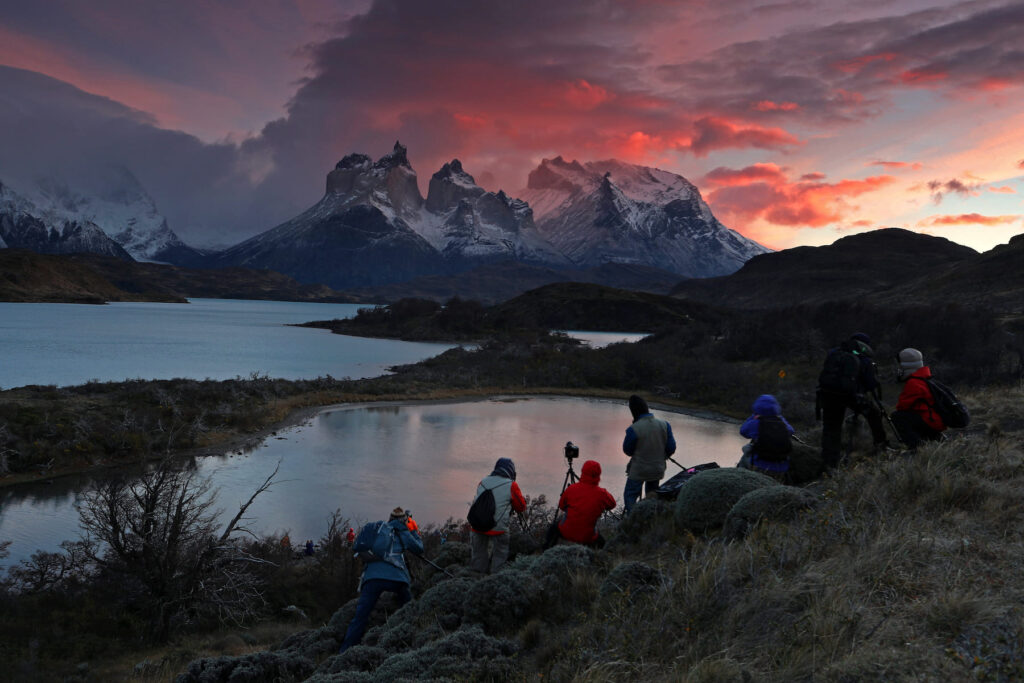
In the far south, Torres del Paine National Park showcases this dramatic terrain. High winds push clouds over turquoise glacial lakes and sharp granite horns.
Travelers here experience raw, unpredictable elements. Consequently, private vehicle support and careful trail logistics become essential for a seamless journey through this untamed territory.
Argentinian Patagonia: Windswept Steppe and Iconic Ice
Crossing the Andes eastward brings an immediate geographical transformation. The massive mountain range blocks most Pacific moisture, creating a pronounced rain-shadow effect across the continent.
Therefore, Argentinian Patagonia consists largely of arid, windswept grass steppes that stretch thousands of kilometers toward the Atlantic Ocean.
This drier climate creates an entirely different visual landscape. Golden grasslands contrast sharply against turquoise glacial lakes and white ice fields.
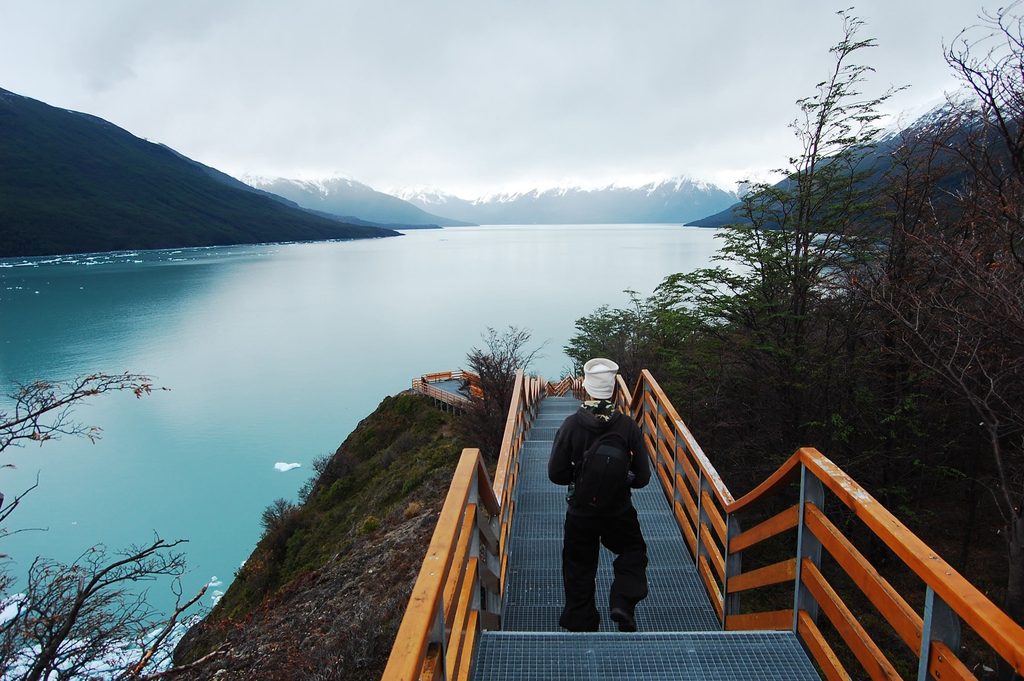
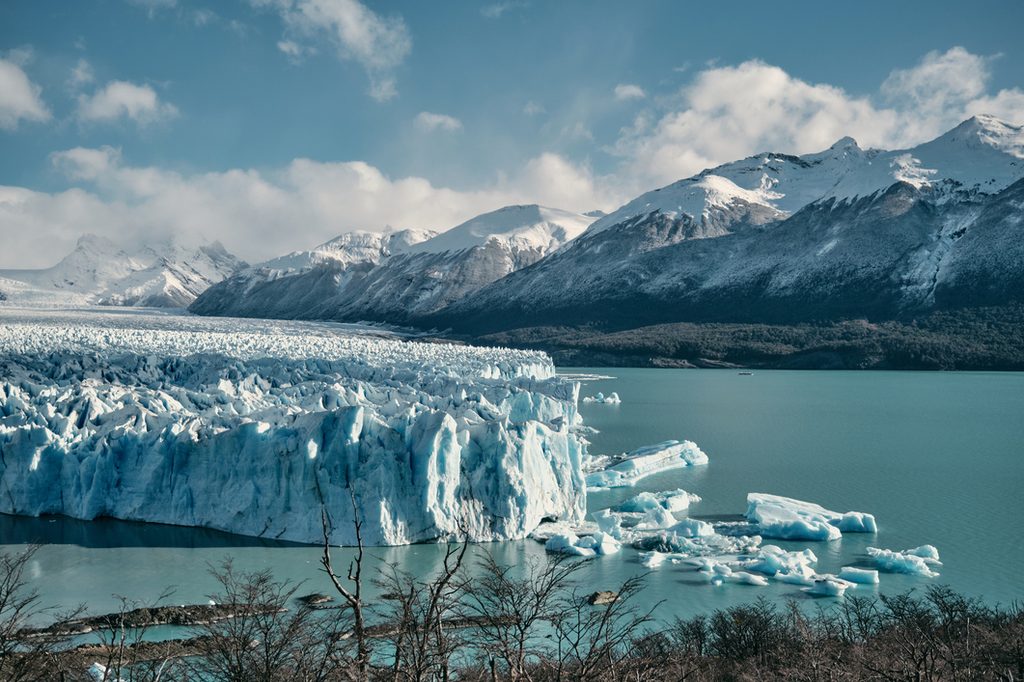
Furthermore, Los Glaciares National Park houses world-famous natural wonders. Visitors can observe the active Perito Moreno Glacier from well-maintained boardwalks or strap on crampons to ice-trek directly on its frozen surface.
Near the town of El Chaltén, Mount Fitz Roy dominates the horizon with monumental vertical granite walls. Because the weather stays drier than in Chile, trekking conditions remain generally more stable during the austral summer months.
Choosing the Right Side for Your Journey
Both sides of the Andes offer world-class landscapes, but they suit different travel styles and preferences.
Choose Chile if: You seek remote wilderness, rainforest trails, private boat navigation along coastal fjords, and deep ecosystem immersion. Choose Argentina if: You prefer world-class day hikes, direct access to advancing glaciers, established mountain towns, and iconic skyline views.
Crafting a Seamless Patagonian Expedition
At South Quest, we design tailor-made Patagonian journeys that account for climate, terrain, and authentic field experiences. Whether you focus on the lush fjords of Chile or the dramatic peaks of Argentina, we handle private ground logistics to ensure an unforgettable journey. Contact us to start planning your private expedition into southern South America.