SEE DETAILS
2027 season
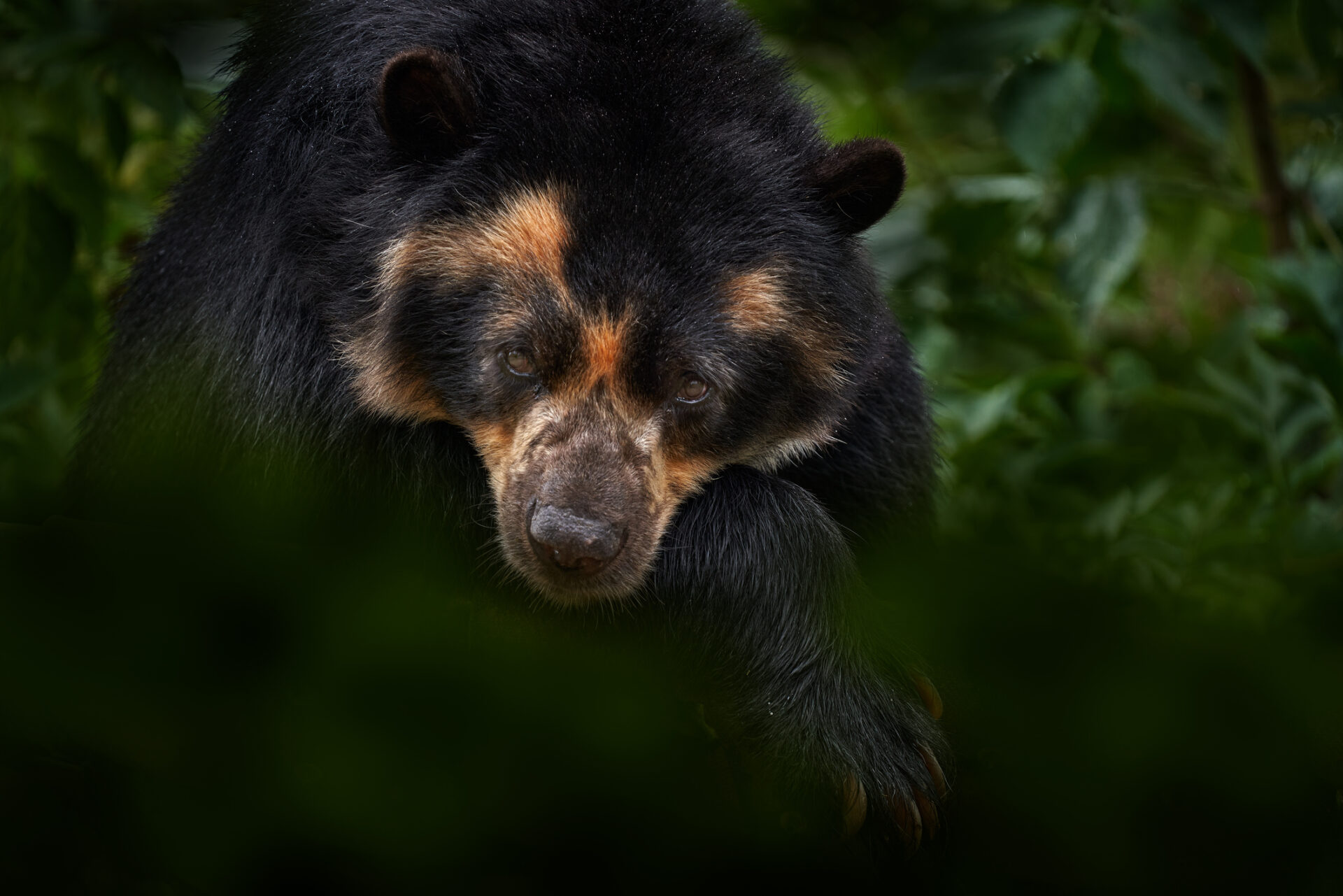
Few wildlife encounters are as rewarding as coming face to face with the elusive Andean bear in its natural habitat. This exclusive expedition takes you deep into the breathtaking landscapes of Ecuador’s Northern Andes, where dramatic canyons and dedicated conservation efforts create one of the world’s finest opportunities to observe and photograph South America’s only native bear. The adventure continues through the country’s spectacular cloud forests, where stunningly vibrant birds await among the mist-covered trees. Designed for passionate wildlife photographers and nature enthusiasts alike, this journey reveals one of the planet’s richest biodiversity hotspots through unforgettable encounters and extraordinary natural beauty.
Ecuador is one of the most biologically diverse countries on Earth, and this exclusive ten-day expedition has been crafted to bring you face to face with some of its most extraordinary wildlife. From a rare and intimate encounter with Andean bears deep in a remote canyon of the Northern Andes, to the kaleidoscopic hummingbirds and tanagers of the western cloud forests, this journey is designed for the passionate wildlife photographer seeking exceptional images in spectacular natural settings.
The Andean bear, also known as the spectacled bear, is South America’s only native bear species and one of the continent’s most elusive large mammals. Access to a long-established conservation project in Bear Canyon, Imbabura Province, offers an unparalleled opportunity: consistent sightings at remarkably close range, within a dramatic canyon landscape that lends itself to powerful environmental compositions. Average photographic distances here are around 20 meters, with occasional encounters as close as 10 meters, guided at all times by experienced local trackers who have been monitoring these animals for over 16 years.
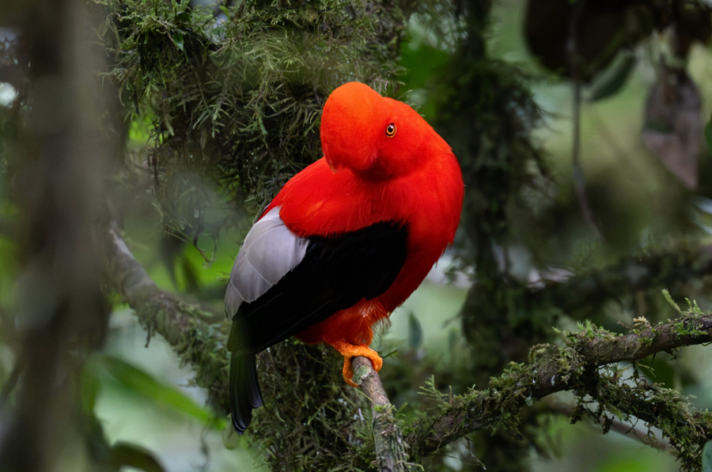
The second chapter of this expedition unfolds in the cloud forests of northwestern Ecuador, one of the planet’s great biodiversity hotspots. The Zuroloma Reserve, the Mashpi cloud forest, and the legendary Mindo Valley provide a succession of world-class photographic experiences including sword-billed hummingbirds in flight, Andean cock-of-the-rock lek displays, and a seemingly endless parade of jewel-toned tanagers at forest feeders.
Throughout the expedition, our expert naturalist guide ensures the highest standards of wildlife ethics and photographic opportunity. Group sizes are intentionally small to preserve the quality of each encounter and respect the natural behavior of the animals. This is a journey that rewards patience and passion with images that are truly rare.
Everything you can expect, day by day.
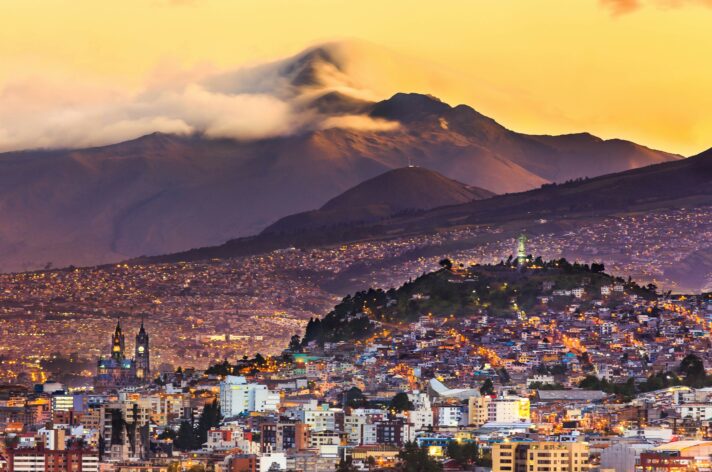
Your journey begins in Quito, one of South America’s most fascinating capitals and, at nearly 2,850 meters above sea level, one of the highest cities in the world. Surrounded by dramatic volcanic landscapes and home to a beautifully preserved UNESCO World Heritage historic center, Quito offers a remarkable introduction to the Andes. Depending on your arrival time, take the opportunity to explore the surrounding area, wander through nearby streets, or simply enjoy the city’s unique atmosphere and the remarkable quality of light that defines this high-altitude setting.
The remainder of the day is dedicated to rest and acclimatization, allowing time to adjust to the altitude before the adventures ahead.
An early departure from Quito takes the group northwest through the inter-Andean valley, crossing a succession of rural highland landscapes and Andean ecosystems toward Imbabura Province. The four-hour drive is a journey in itself: sweeping mountain panoramas, roadside birds of prey perched on telegraph wires, and the gradual, cinematic descent into canyon country.
Bear Canyon is home to one of Ecuador’s most significant Andean bear research and conservation projects. Over 16 years of continuous field monitoring have produced an extraordinarily detailed knowledge of individual bear territories, movement patterns, and daily behavior, creating conditions that translate directly into high sighting rates and exceptional photographic access. Very few locations in the world offer a comparable opportunity to photograph this species at close range in a wild and visually compelling setting.
Upon arrival at camp, and time permitting, we will make our first descent into the canyon with local trackers, who continuously monitor bear activity and determine optimal entry and exit timing based on current conditions.
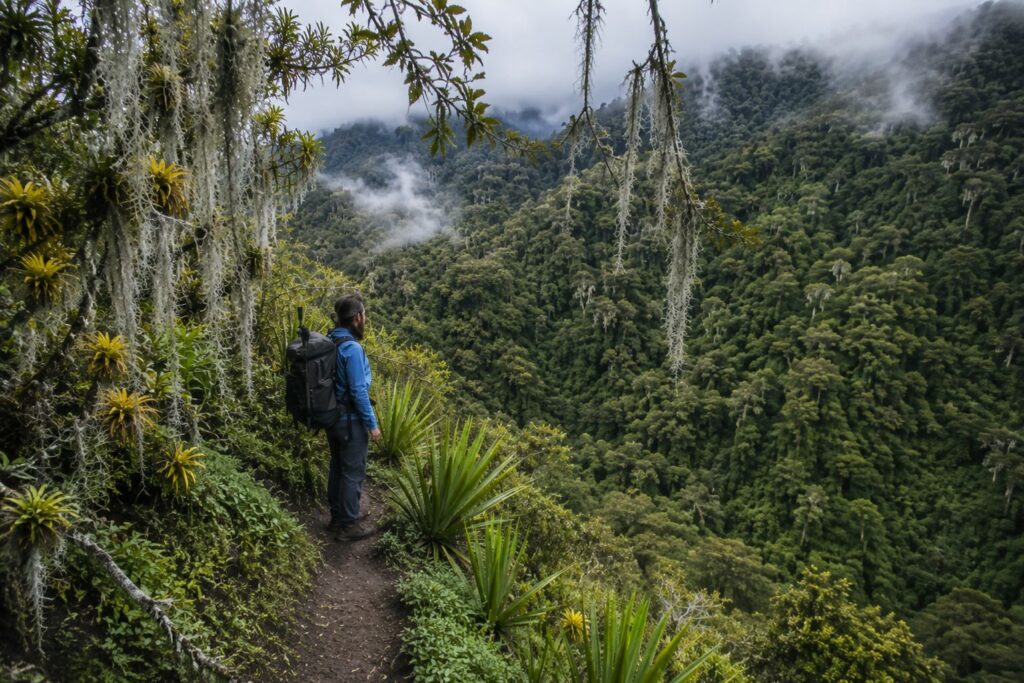
Every session in the canyon is guided by a strict conservation-first protocol.
The first full day belongs entirely to the bears. Your private trackers will guide the group into the canyon for dedicated photography sessions timed around bear activity, light quality, and terrain conditions. The format is fluid and responsive: multiple descents may be arranged throughout the day depending on sightings and group energy.
Bear Canyon’s combination of exceptional bear density, striking canyon topography, and high-Andean vegetation creates an environment that rewards a wide range of photographic approaches.
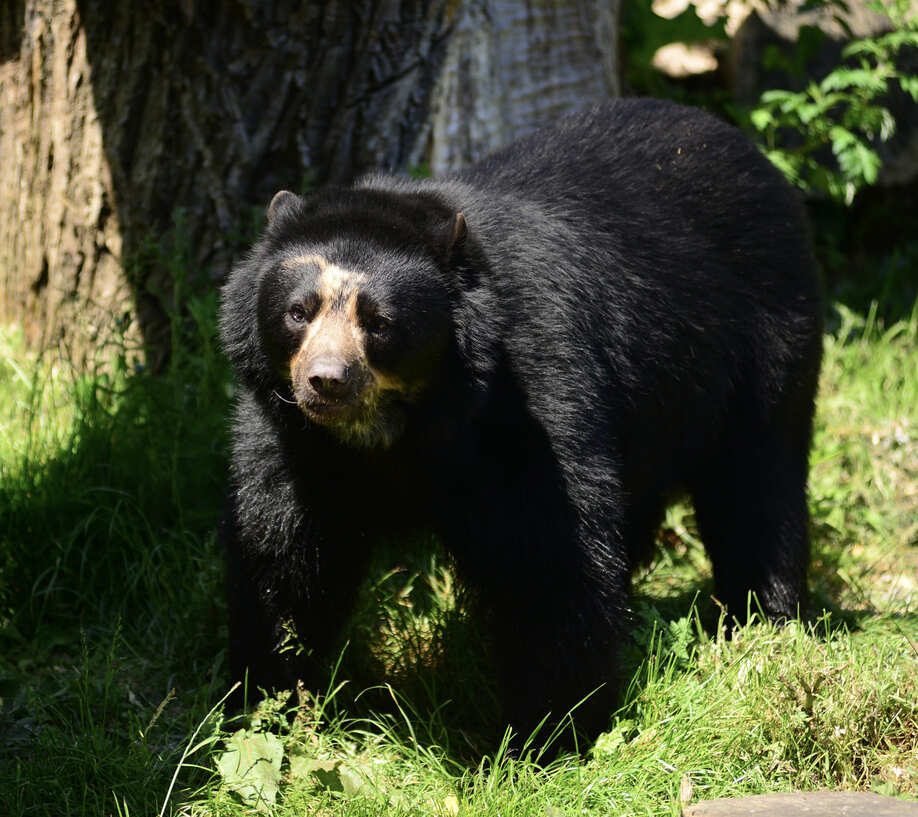
Close-range portrait work is possible, but the setting equally invites wider compositions that place the animal within the scale and drama of its landscape. Both are worth pursuing.
Spending consecutive days in a single location is one of the most powerful tools a wildlife photographer has, and today that principle pays dividends. Beyond the initial excitement of sightings, repeated sessions in the canyon begin to reveal the subtler dimensions of bear behavior: feeding sequences, movement across different vegetation zones, interactions between individuals, and the way the animals respond to the shifting angle and quality of Andean light at different hours of the day.
Your trackers monitor activity across multiple sectors of the canyon and will position the group accordingly. There is no fixed schedule, no rigid itinerary.
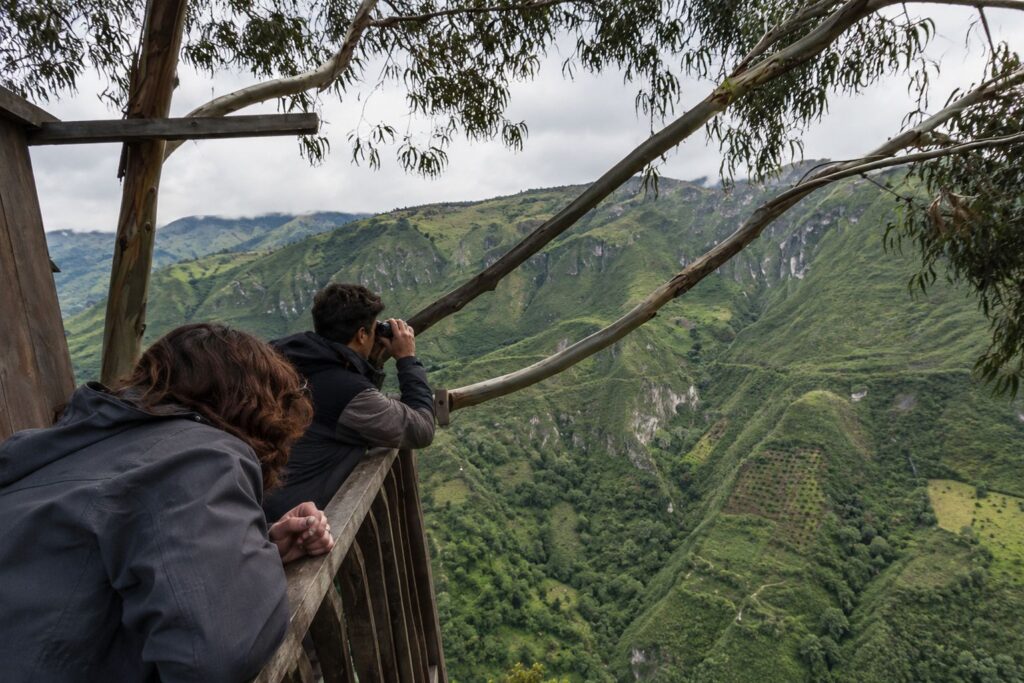
This is wildlife photography at its most immersive, conducted within a project that has maintained an uncompromising conservation ethic for over a decade and a half.
The final full day at Bear Canyon is built in as a deliberate buffer. Weather in the Northern Andes shifts quickly, bear activity varies by sector and by hour, and the cumulative depth of canyon photography always benefits from one more unhurried day in the field. Morning and afternoon sessions may explore entirely different sectors from those visited on previous days, opening up fresh angles, new behavioral documentation opportunities, and the possibility to refine and deepen the body of work already begun.
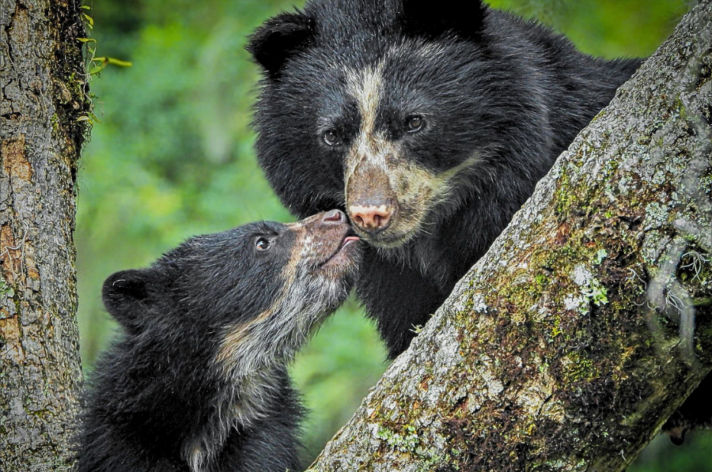
Camp life at Bear Canyon contributes to its own quiet reward: simple, comfortable, and deeply embedded in a remote wilderness setting, with excellent food and a pace that great wildlife photography demands and rarely finds more conventional travel.
After a final morning in and around the canyon, the group begins the return drive toward Quito. The route back offers renewed opportunities for Andean landscape photography, roadside bird encounters, and the pleasure of watching the landscape shift as altitude rises. We arrive in Quito in the late afternoon, with the evening at leisure.
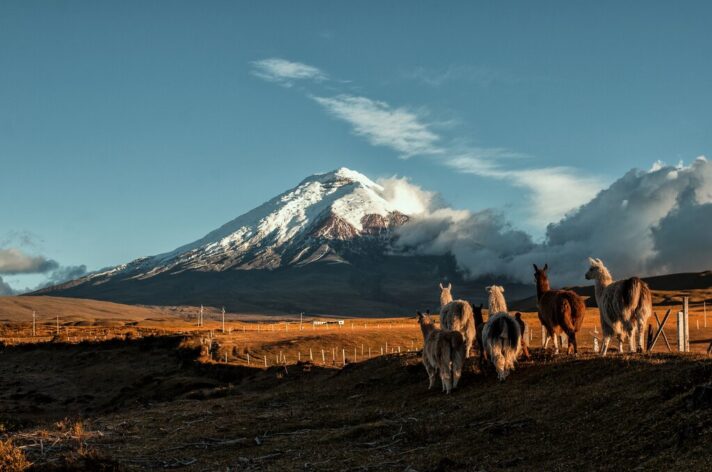
Use the time to review the bear portfolio, rest, and prepare for the second chapter of the expedition, which begins tomorrow in the cloud forests of the northwest.
Today the journey transitions from the dramatic Andean highlands into the lush cloud forests of northwestern Ecuador, a region renowned for its remarkable biodiversity and exceptional bird photography opportunities. The morning is spent at Zuroloma Reserve, where misty mountain landscapes provide a spectacular backdrop for some of the country’s most sought-after hummingbirds. Species such as the Sword-billed Hummingbird, Great Sapphirewing, Shining Sunbeam and Buff-winged Starfrontlet are regular visitors, while colorful tanagers and flowerpiercers add constant activity to the surrounding vegetation.
In the afternoon, the focus shifts to Alambi Cloud Forest, one of Ecuador’s most productive photography locations. The reserve’s carefully positioned feeders and forest-edge habitats attract an impressive variety of hummingbirds, toucans and tanagers throughout the day. Violet-tailed Sylphs, Green-crowned Brilliants and White-necked Jacobins are often seen at close range, while species such as the Plate-billed Mountain Toucan, Toucan Barbet and Golden Tanager provide outstanding photographic subjects.
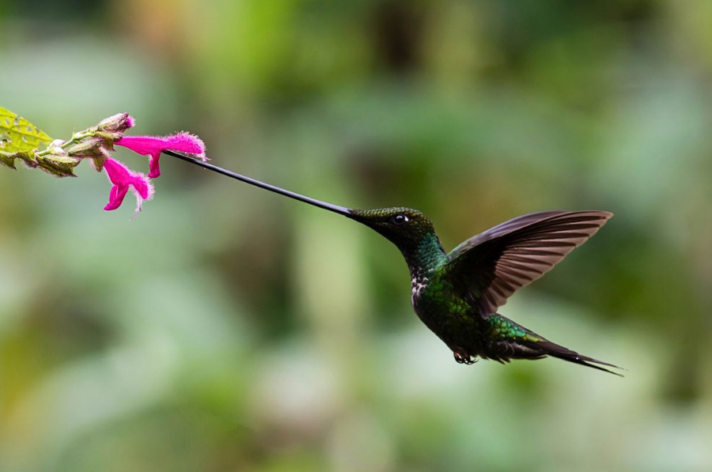
The combination of excellent light, diverse birdlife and beautiful natural settings makes for a rewarding day in the field.
A full day is dedicated to exploring the rich cloud forests surrounding Mashpi, part of the globally important Chocó ecosystem. Towering trees draped in moss, dense vegetation and frequent mixed-species feeding flocks create an immersive environment where photographic opportunities can appear around every corner.
The highlight of the day is a visit to an Andean Cock-of-the-rock lek, where males gather to perform their spectacular courtship displays. Observing and photographing these vibrant birds in their natural setting is considered one of the great wildlife experiences of South America. Throughout the day, there are also excellent chances to encounter species such as the Chocó Toucan, Velvet-purple Coronet, Club-winged Manakin, Golden-headed Quetzal and White-faced Nunbird.
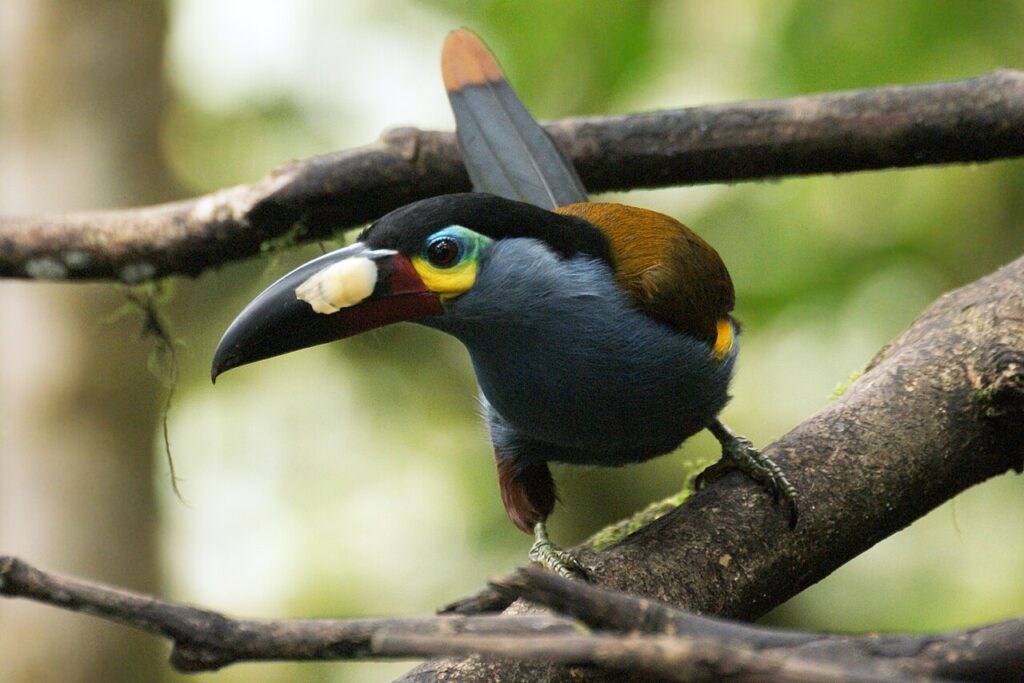
Beyond the birdlife, the forest itself offers endless subjects for close-up photography, including colorful fungi, butterflies, amphibians and reptiles that thrive in this humid and remarkably diverse environment.
The final full day in the field is spent in the legendary Mindo Valley, one of Ecuador’s most celebrated destinations for birdwatching and nature photography. Surrounded by lush cloud forest, the region combines extraordinary biodiversity with excellent photographic access, making it a fitting conclusion to the journey.
Visits to Sacha Tamiya and the renowned Fruti Tour circuit provide opportunities to photograph a wide variety of species across different habitats. Among the many possibilities are the elegant Booted Racket-tail, Violet-tailed Sylph, Purple-throated Woodstar and White-whiskered Hermit, while larger and equally striking species such as the Toucan Barbet, Crimson-rumped Toucanet, Rufous Motmot and Golden-headed Quetzal are frequently encountered. The colorful tanagers of the region, including Flame-faced and Bay-headed Tanagers, add further variety throughout the day.
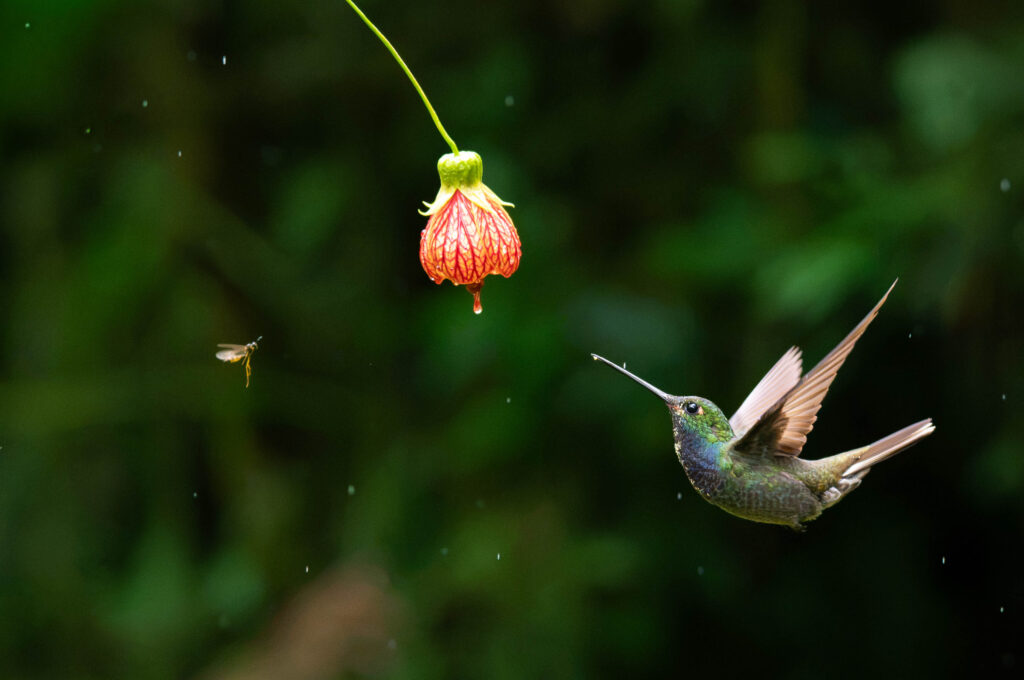
The valley’s remarkable biodiversity extends well beyond birds. Flowering orchids, brilliantly colored butterflies, frogs and other small forest inhabitants often become compelling photographic subjects, offering countless opportunities to slow down and appreciate the richness of this extraordinary ecosystem.
Morning transfer back toward Quito. Depending on flight schedules, we may stop at the Equatorial Monument for cultural and landscape photography before continuing to the airport. End of services.
2027 – Private Tour
3 guests: US$ 12,370 per person in a single room.
4 guests: US$ 11,300 per person in a single room.
Shared deduction: US$ 630
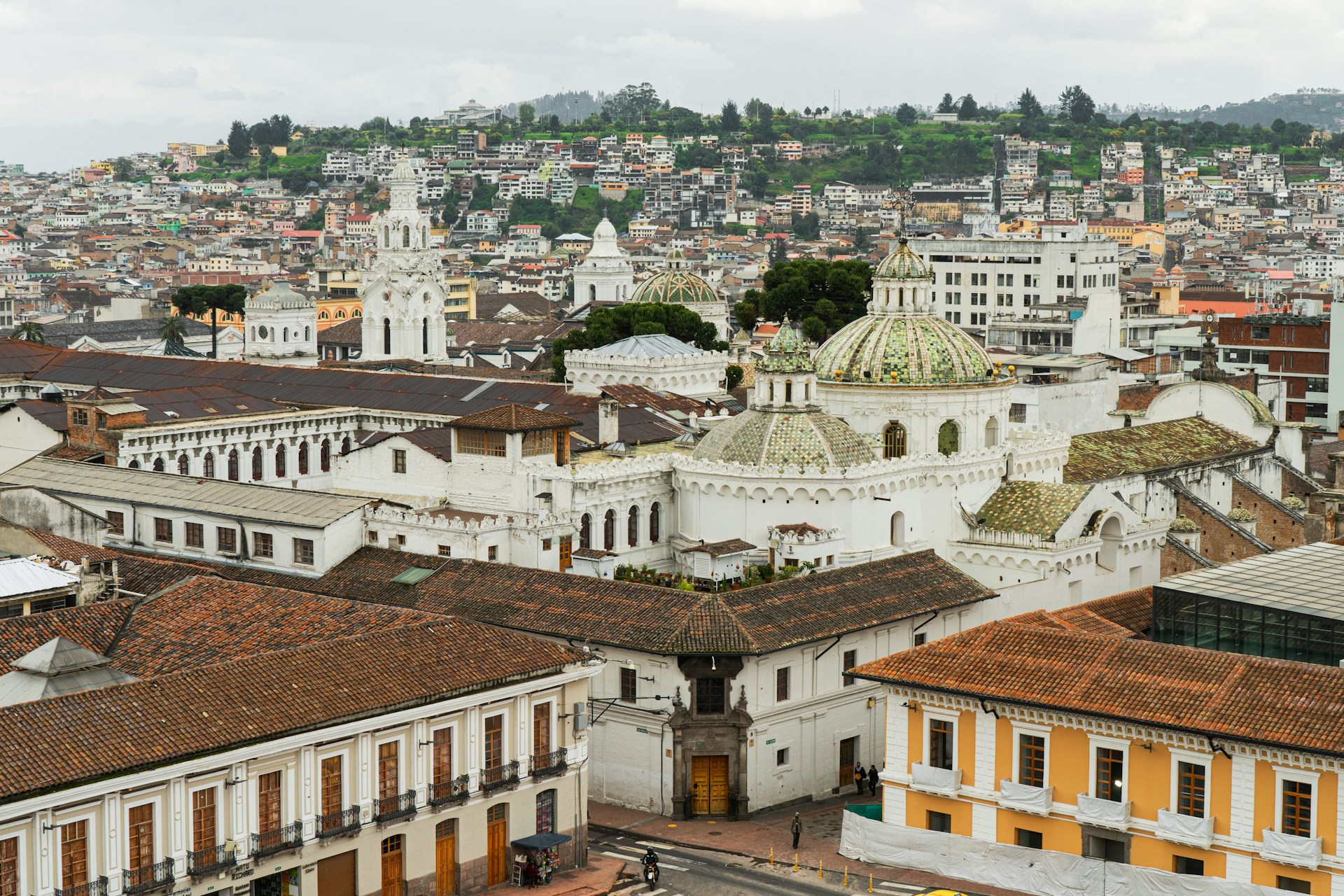
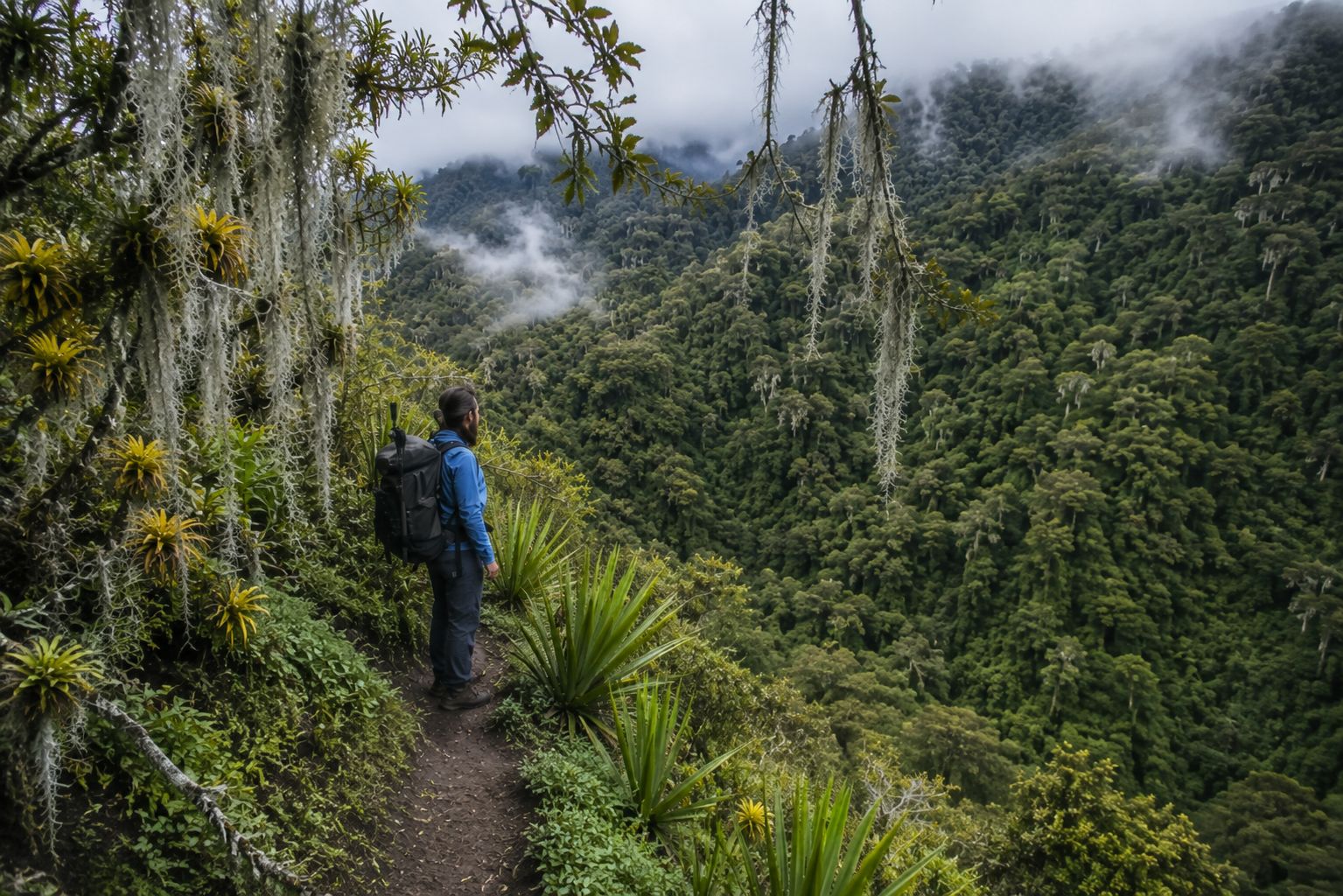
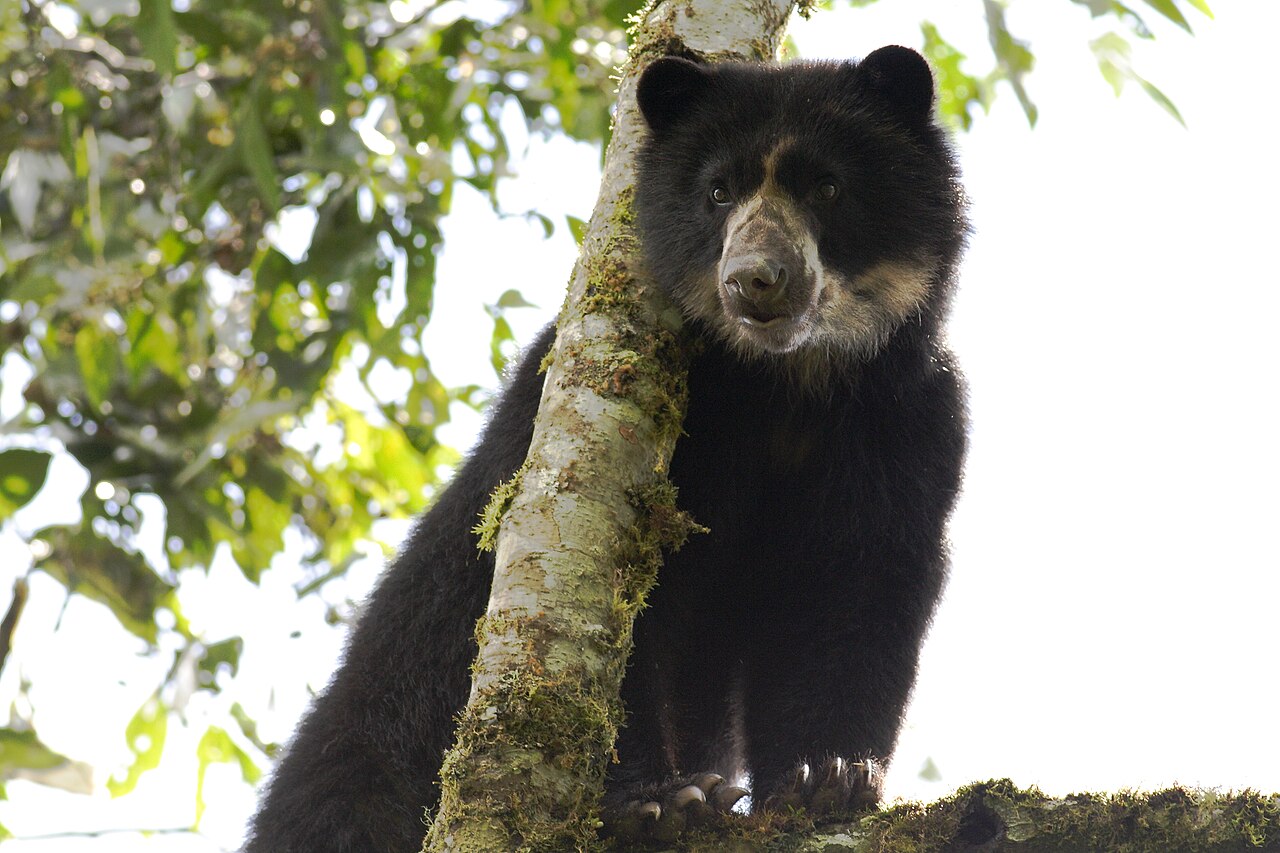

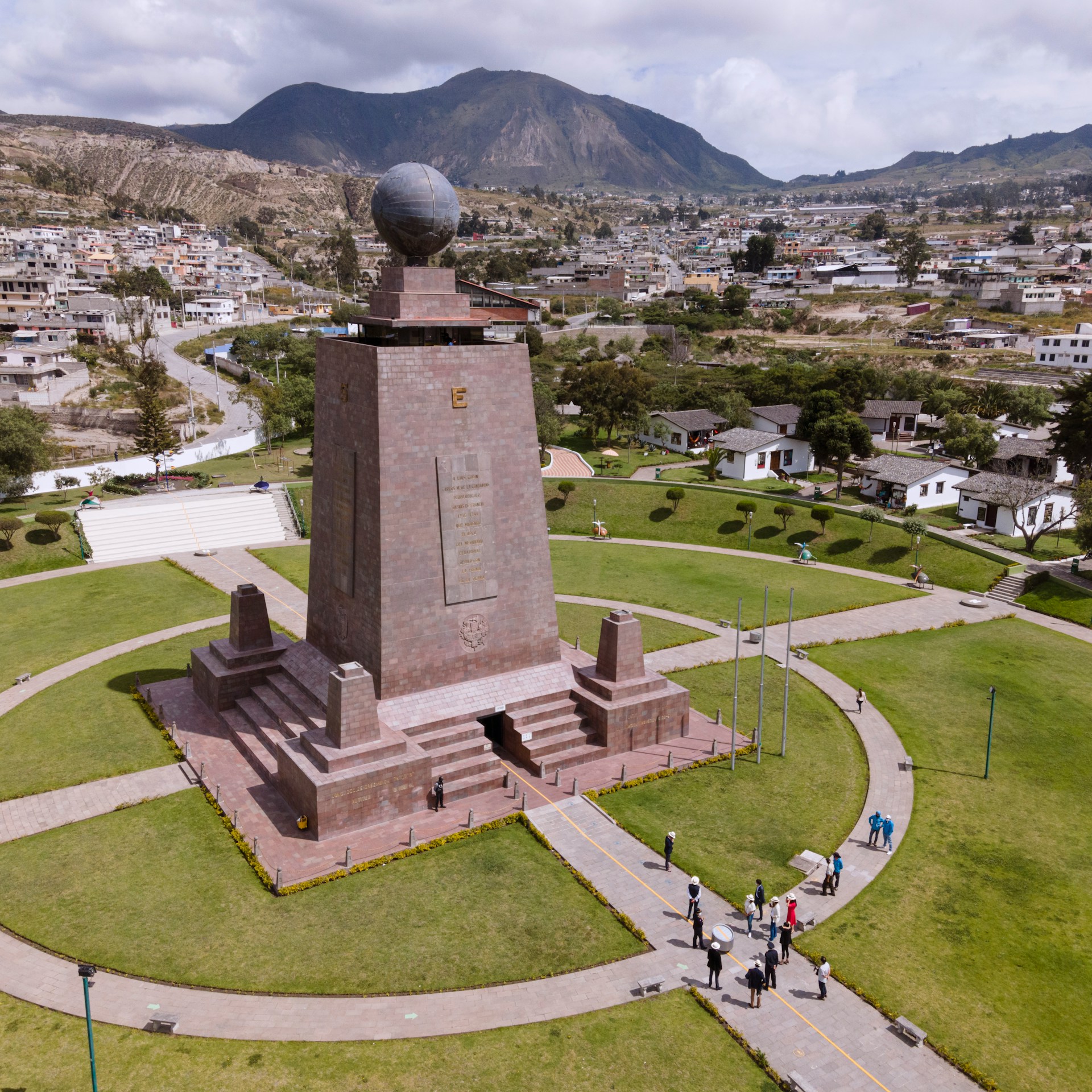
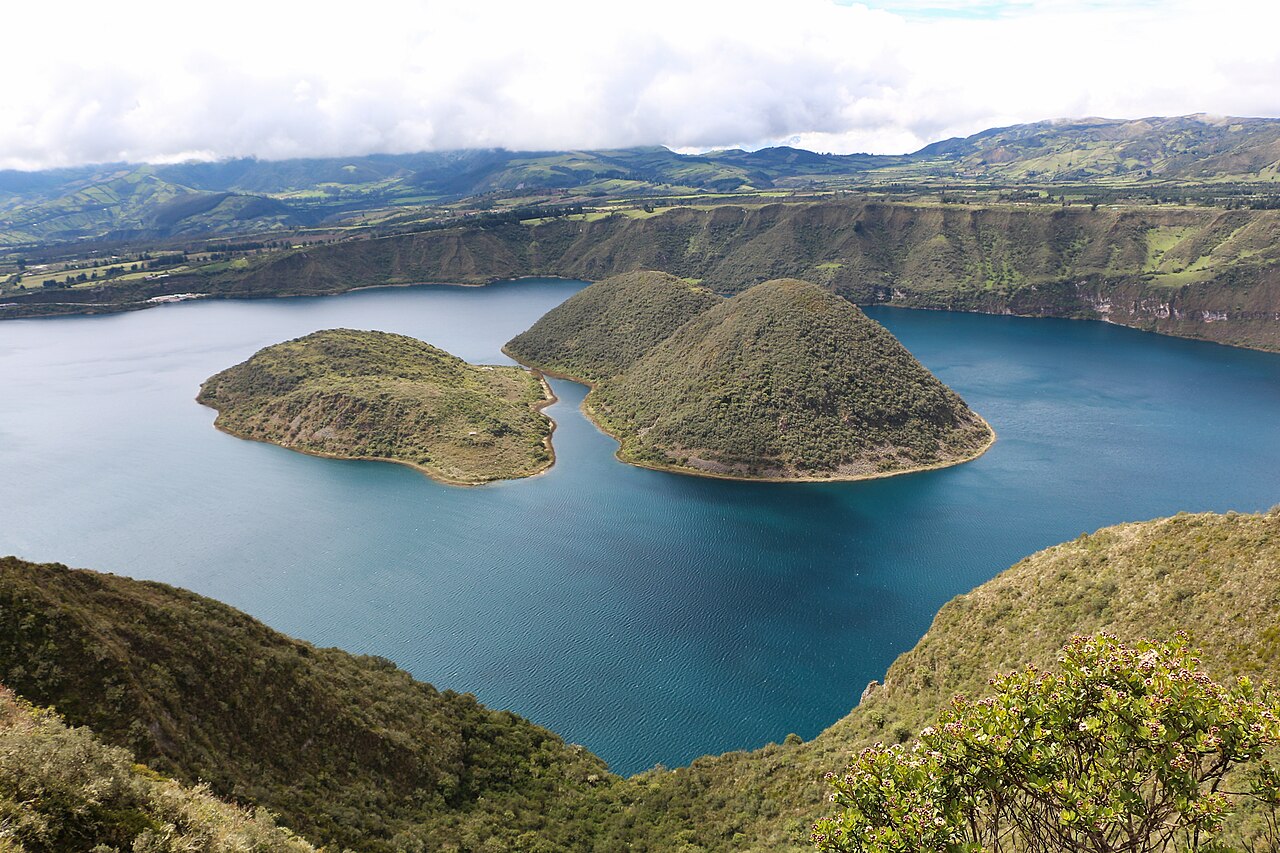
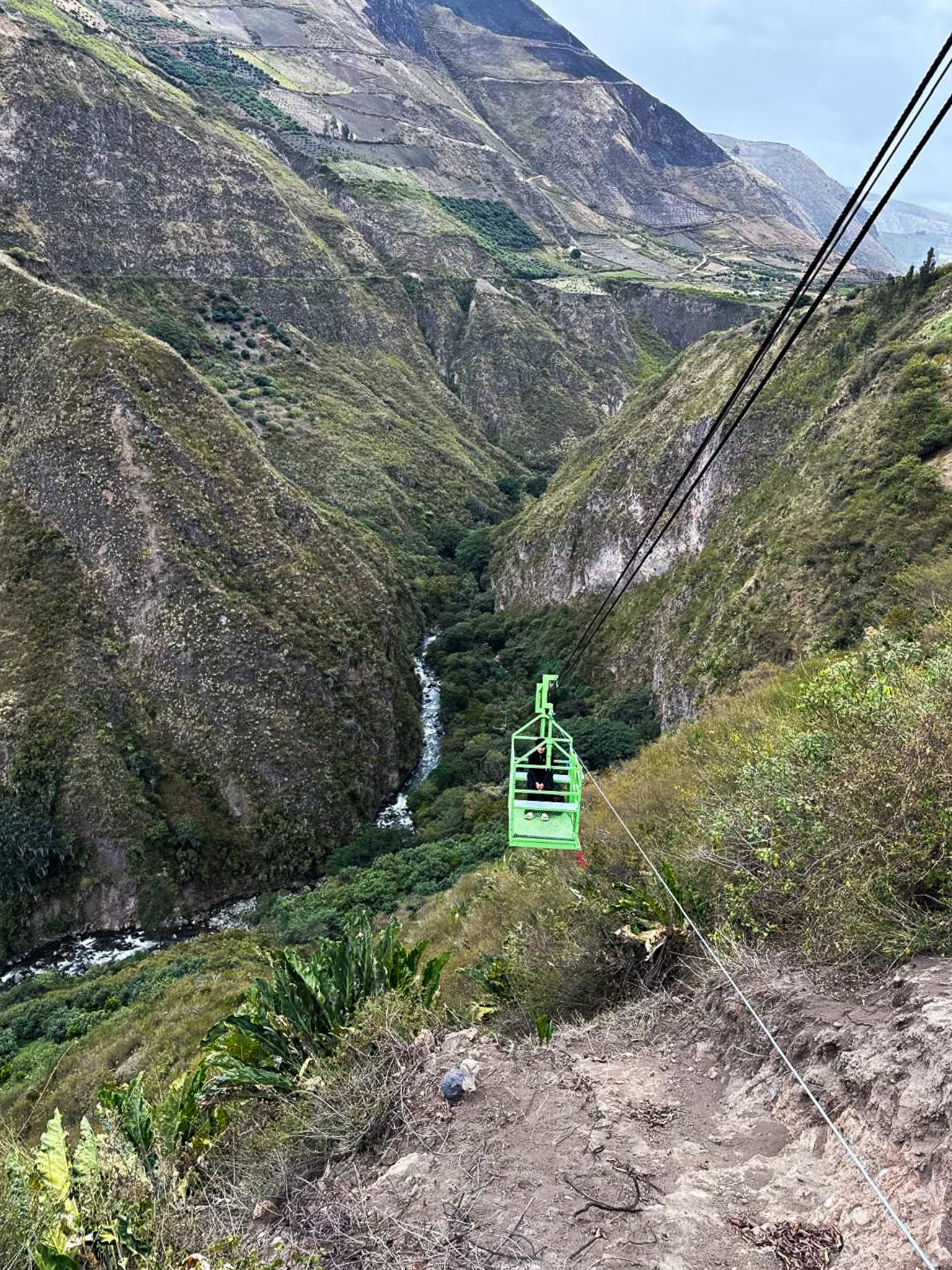
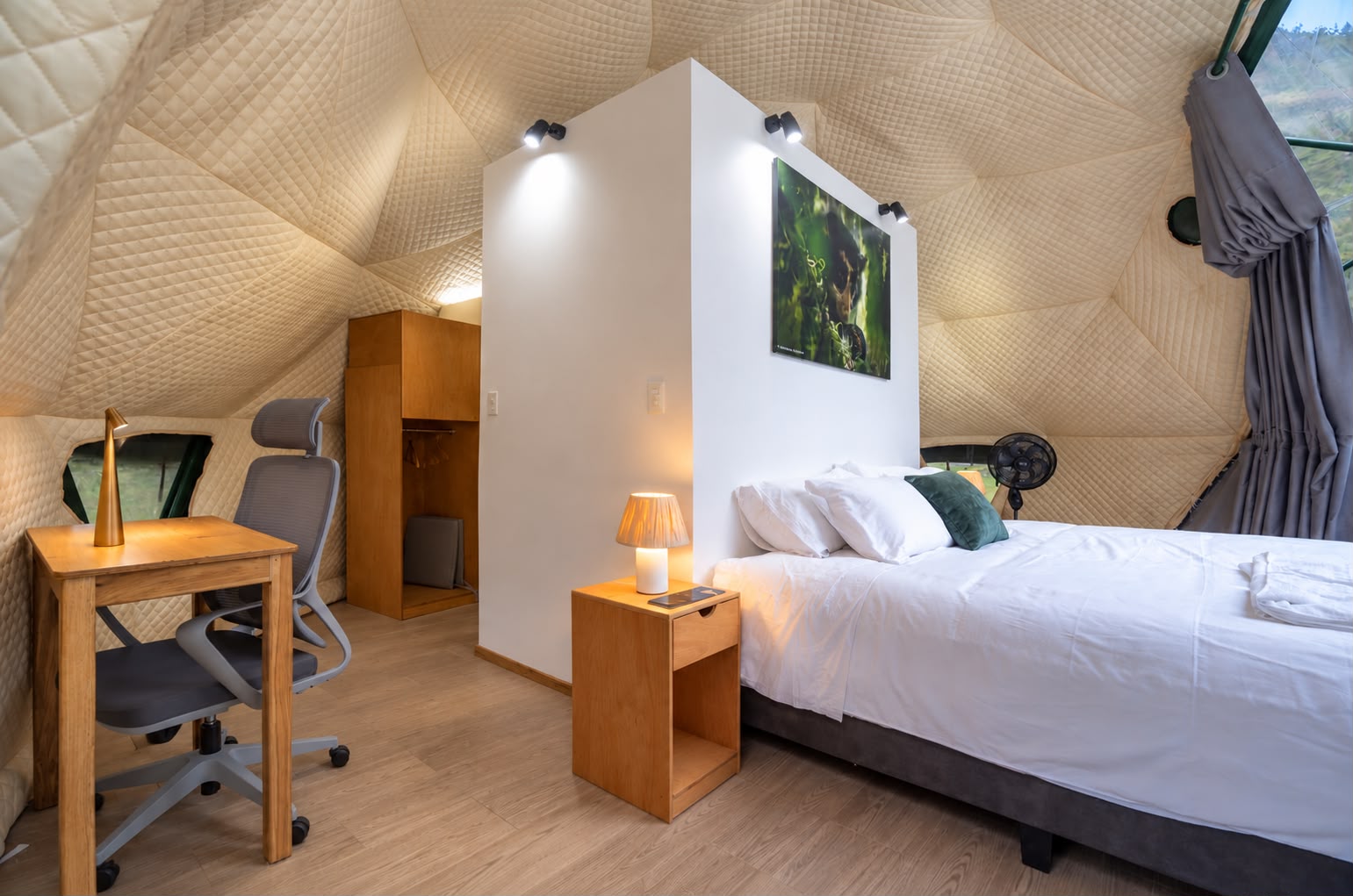
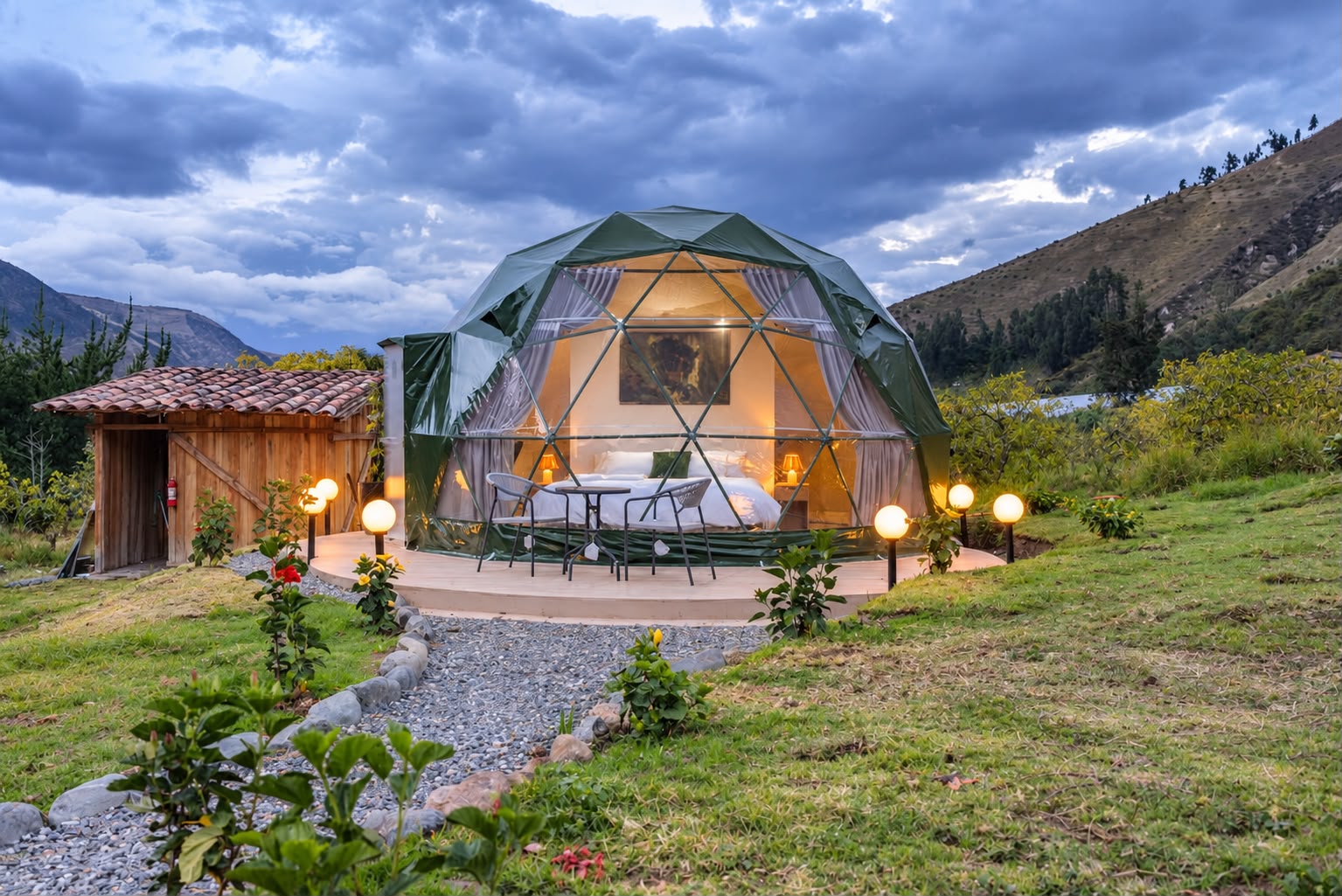
Photo credit: South Quest, Ricardo Casarin
If you want to book this tour, customize the itinerary or take any questions, please fill out the form below and our team will get in touch with you as soon as possible.
Looking for an extended trip or similar adventures? Here are our suggestions.