
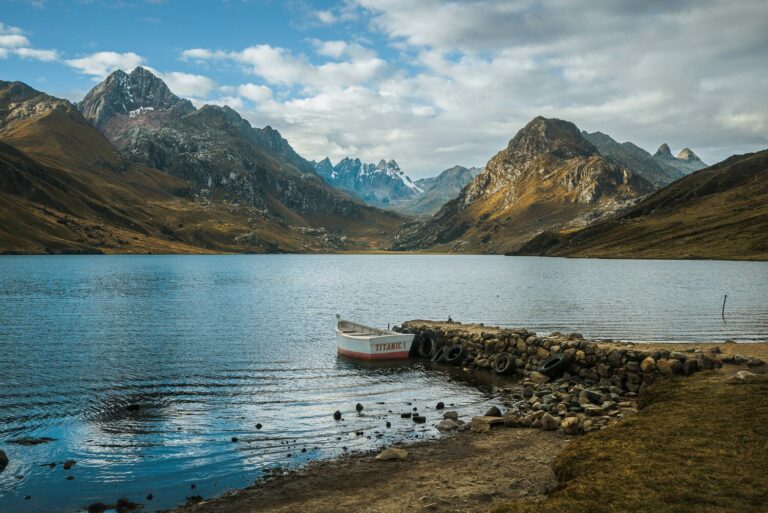
Peru Beyond Machu Picchu
Most journeys to Peru begin with a single iconic image: the stone ruins of Machu Picchu emerging through the mountain mist. While this ancient sanctuary deserves its place among. Read more >>
Discover stories from the field, expert advice, and travel inspiration across Latin America.
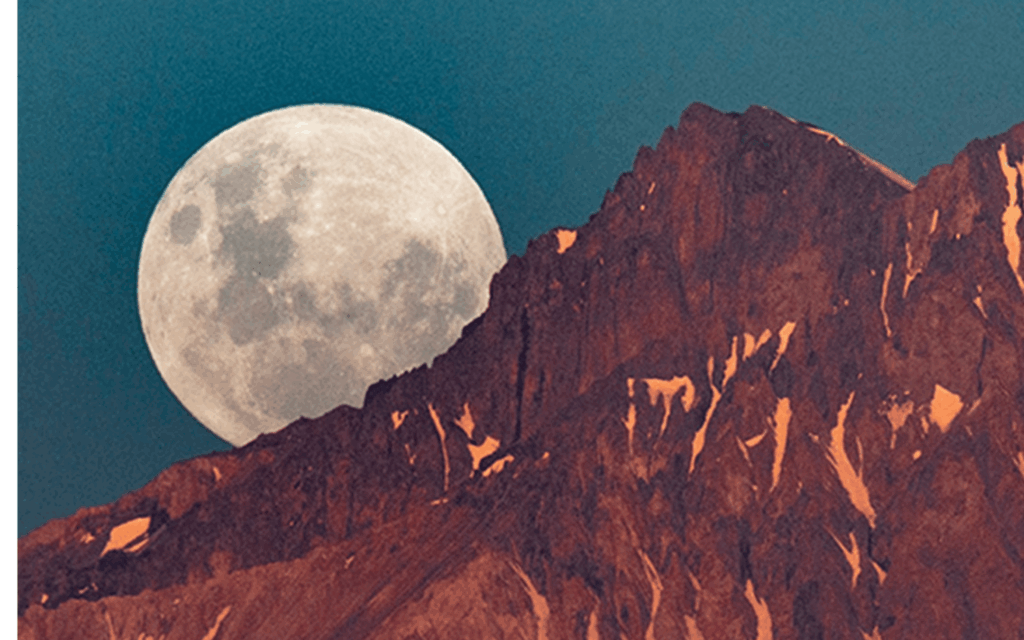
A sky so vast and beautiful it beckons the world’s greatest scientists. Discover the Atacama, the paradise of astrotourism and astronomical observation.
Its significance is recognized globally. Recently, the Gemini South telescope achieved a remarkable feat. The facility, strategically located high in the Chilean Andes, captured a spectacular new image of the Butterfly Nebula. The photograph was selected to celebrate the 25th anniversary of the International Gemini Observatory.
Popularly known as the ‘Cosmic Butterfly‘, but scientifically designated as NGC 6302, this nebula is located in the Scorpius constellation. NASA estimates indicate it is located at a distance of about 4,000 light-years from Earth. Its record was officially released by NOIRLab, under the auspices of the National Science Foundation (NSF). Check out the selected image below:

Have you ever wondered why this and so many other records are captured in Chile? The explanation lies in the unique characteristics of the Atacama Desert. A rare combination of natural factors makes the region a sanctuary for cosmic research. The beauty of each image proves the relevance of this destination.
The first characteristic is striking: the Atacama is the driest desert on Earth. It offers an average of 300 days of clear skies per year. This crystalline visibility is a constant rule in the region.
Furthermore, the colossal Andes Mountains act as a natural barrier. They prevent moisture from the oceans and the Amazon Basin from reaching the desert. The union of these factors creates the ideal setting for astronomy.
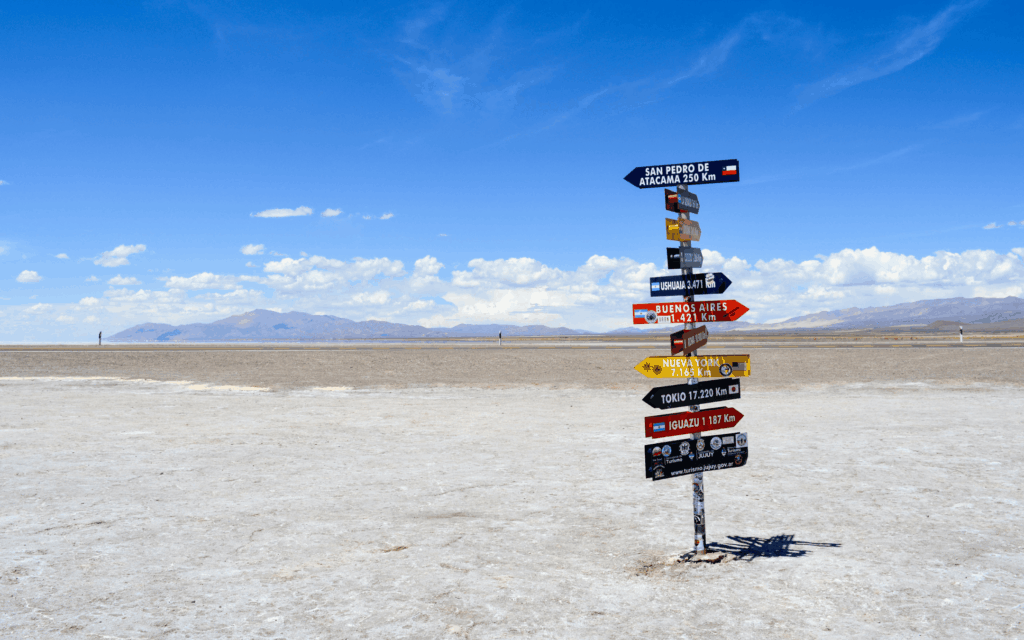
Poets, artists, philosophers, and scientists from various fields have tried to unravel the secrets of the sky for generations. The astronomical community, in particular, has focused its eyes on Chile for a long time.
But do you know how to distinguish the mission of a scientific observatory from the magical experience of astrotourism? There is a line that separates technical research from the journey of star observation.
Although both revere the vastness of the universe, their purposes are distinct. A scientific observatory focuses exclusively on research. In these locations, researchers seek to answer questions about the origin of the world and the universe. The primary mission of these facilities lies in boosting astronomy and providing data for academic studies. Therefore, they are positioned in remote and difficult-to-access locations. The goal is to seek the maximum purity of observation, avoiding light and atmospheric pollution.
In astrotourism, the sky is the protagonist of a great adventure for any enthusiastic traveler. This modality of travel, in addition to encouraging nightly contemplation, also promotes environmental preservation and scientific dissemination. The experience of isolation from large metropolises allows for a clearer view of the sky. This encourages the traveler toward a deep disconnection and relaxation. The result is a cosmic — and almost mystical — experience that is difficult to achieve in large urban centers.
Most research centers and scientific observatories are restricted, but there are exceptions that allow public visits. This is the case with NOIRLab, responsible for the record of the Butterfly Nebula. However, it is essential to check dates and access rules when planning your itinerary, as these facilities have specific regulations.
However, there are other ways to practice astrotourism without necessarily visiting scientific facilities. Expeditions can be guided by researchers in different settings, from controlled spaces in observatories and public planetariums to the freedom of observing the open sky. For this, places are sought where light and atmospheric interference is minimal — as is the case with the Atacama Desert.
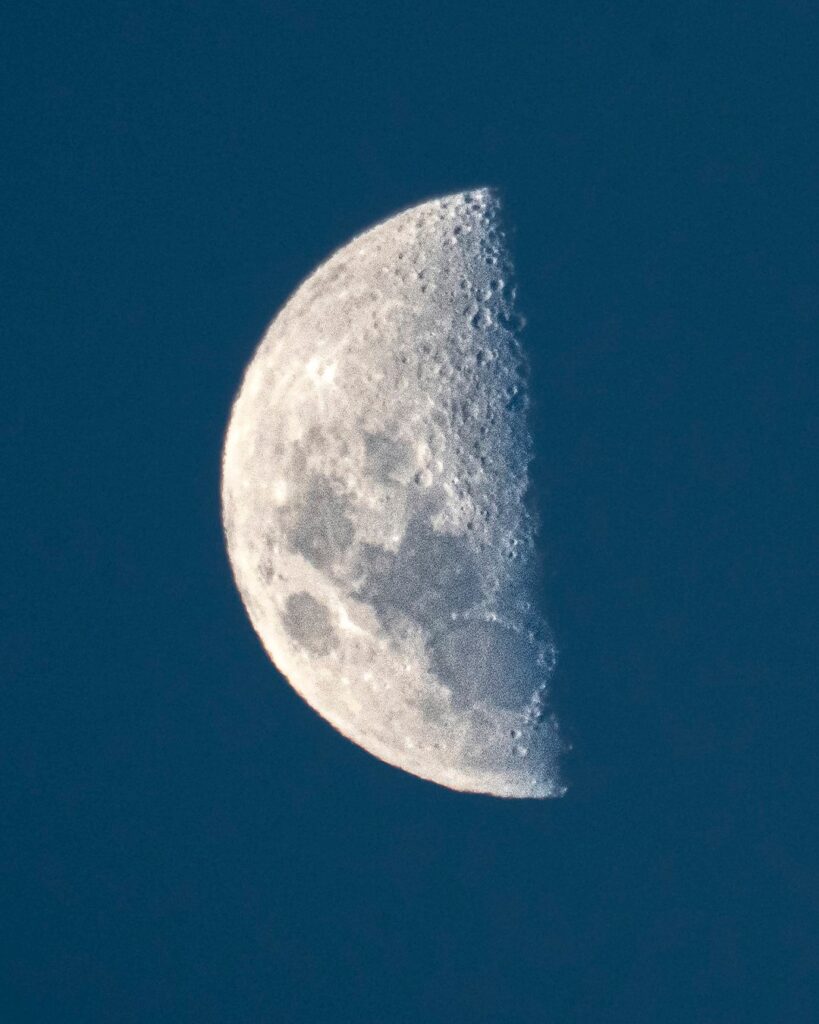
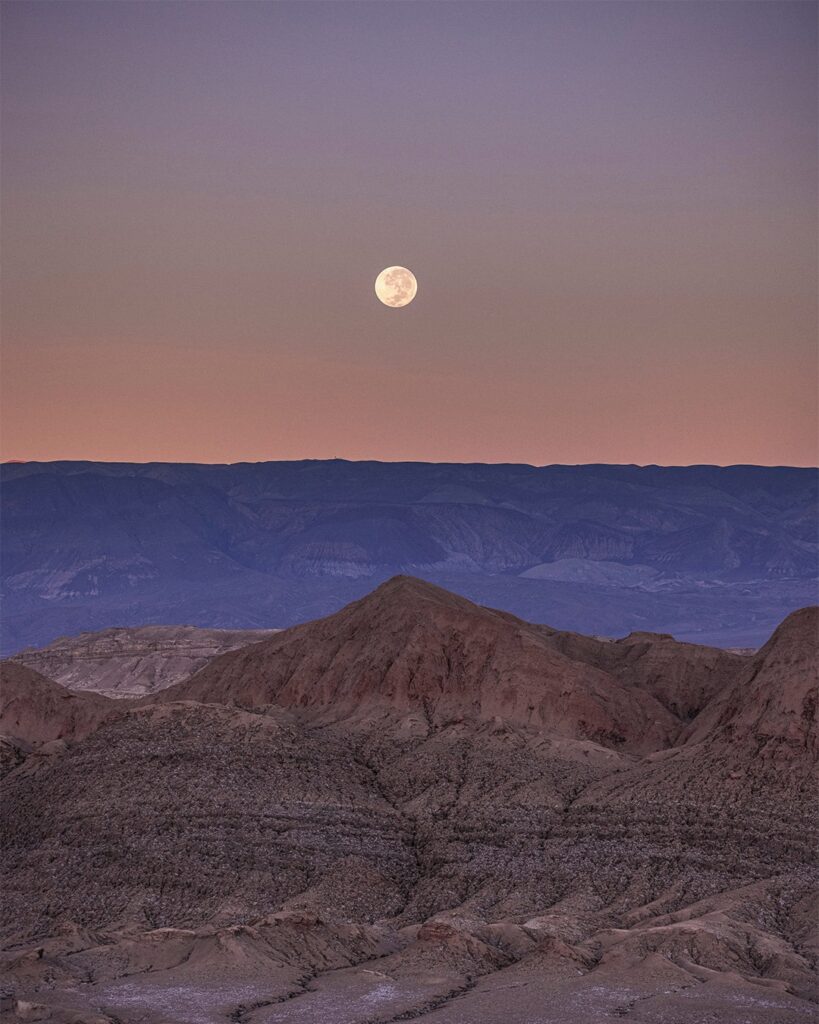
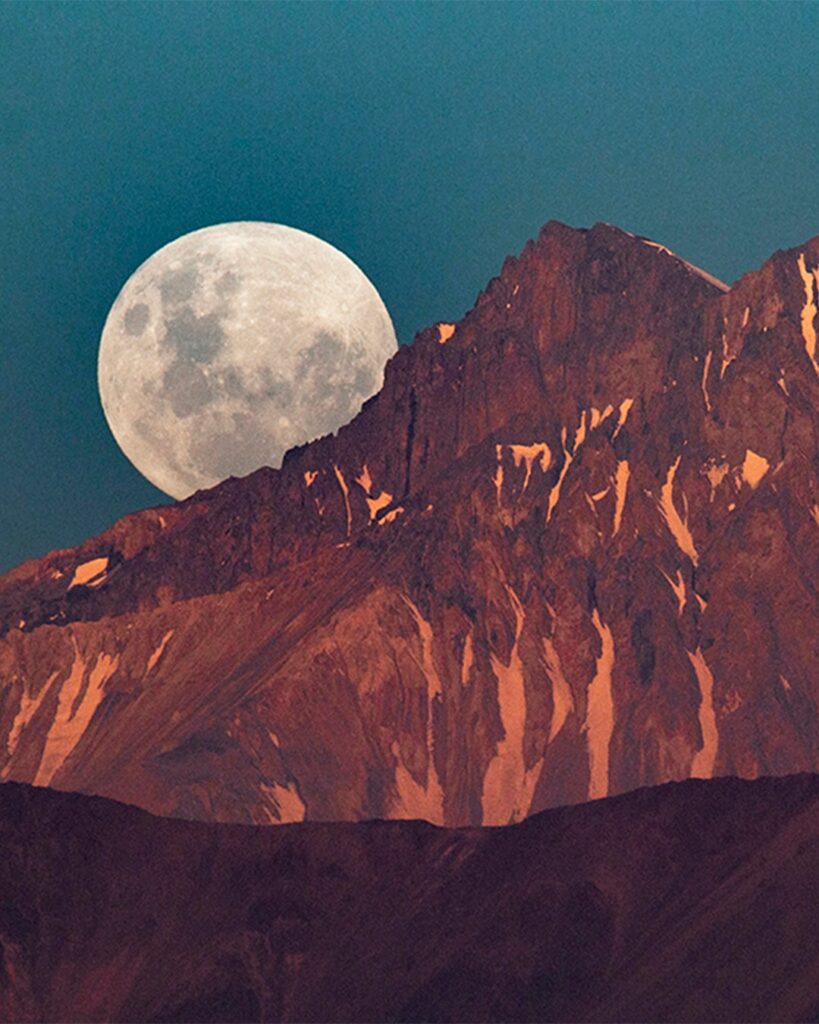
Here are some of the impressive images captured at the Explora Atacama Lodge, whose observatory is accessible to its guests. They were obtained using SmartScope equipment, a technology that makes it possible to visualize and capture real-time images of the cosmos.
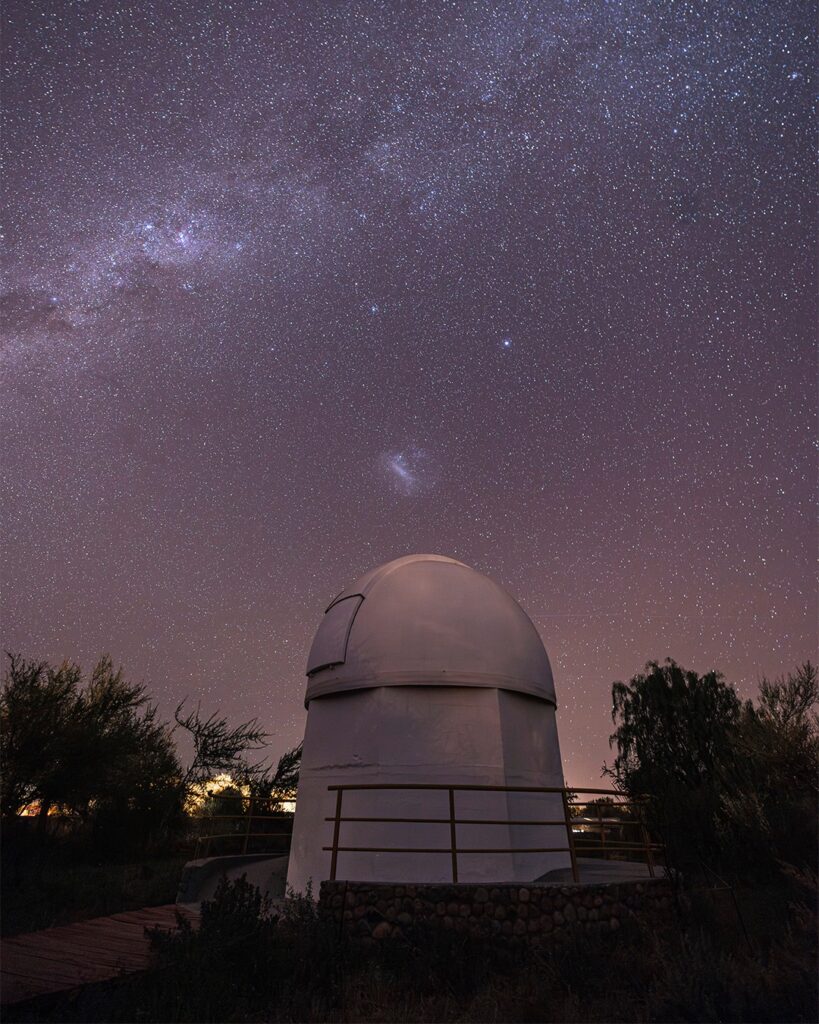
Credit: Explora Atacama Lodge
Chile is a cosmic sanctuary that goes far beyond the capture of the Butterfly Nebula. Countless stunning records have been achieved through the scientific lenses installed in its soil. Explore some of these triumphs:
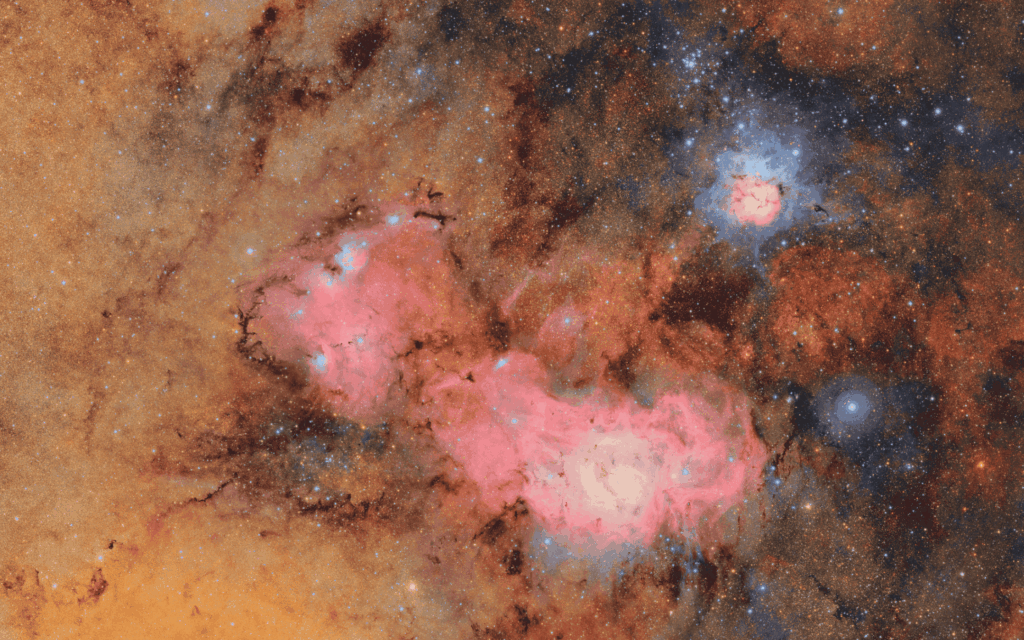
Be enchanted by yet another unbelievable capture! The Vera C. Rubin Observatory (NSF-DOE) has released stunning images of stellar nurseries. The record below is the result of a composition of 678 distinct exposures, obtained over the course of just over seven hours. As detailed by the Observatory, the image reveals clouds of gas and dust in hues of pink and orange that comprise the Trifid and Lagoon nebulae, both located thousands of light-years away.
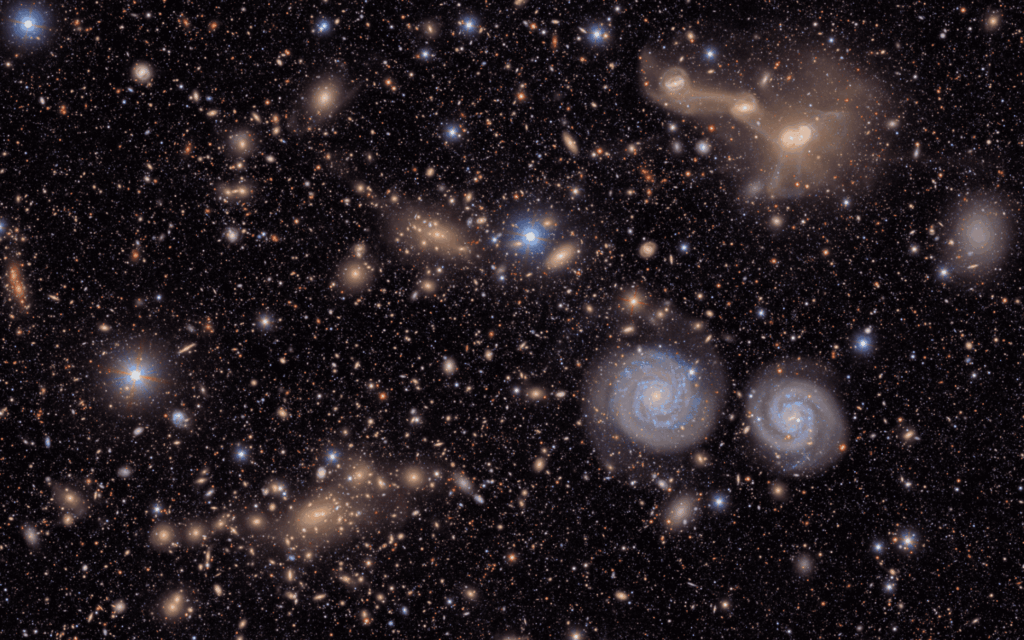
With its long-range vision, the Vera C. Rubin Observatory has achieved another extraordinary record. The telescope was able to map the Virgo Cluster, a vast structure encompassing approximately 2,000 elliptical and spiral galaxies. The record reveals impressive details, such as merging galaxies, complex spiral structures, galactic groups, and even stars situated within our own Milky Way.
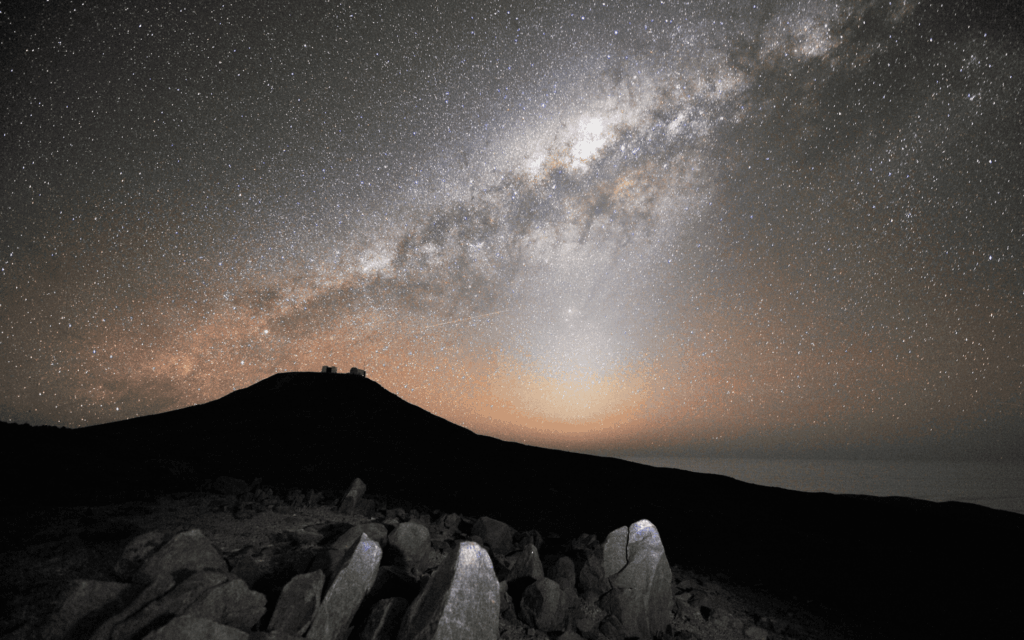
To close our stellar journey, we present a record made with the naked eye, without the aid of telescopes. This image demonstrates the impressive observation capacity that the Atacama Desert offers.
The Paranal Observatory, home to the VLT and operated by ESO, has produced a vast treasure of high-resolution images — including records of our Milky Way, comets, and neighboring galaxies, such as NGC 3521. However, as we have emphasized, the composition below was not captured by telescopic lenses: the imposing night landscape reveals the silhouette of the VLT on Mount Paranal, set against a starry backdrop.
Thanks to the exceptional quality of the Chilean sky, the stars shine with a rare intensity, visible even near the horizon, just 12 km from the Pacific Ocean. The Observatory details the elements of this panorama: the central bulge of the Milky Way emerges as the most radiant area, crossed by dark lanes of cosmic dust. The galactic center is intersected by the zodiacal light, which outlines the Earth’s orbital plane — where planets and constellations align perfectly. Unbelievable, isn’t it?
For the traveler seeking the ultimate stellar experience in the Atacama, meticulous planning is essential. Securing access to remote, light-pollution-free locations demands expertise and impeccable infrastructure.
South Quest is your partner in creating luxury itineraries in Chile. Get in touch to design your personalized astronomical journey, ensuring the utmost comfort and the deepest respect for the beauty of our cosmic ecosystem.
Sources: G1, CNN, NASA, OGlobo, Unifei, NSC Total, Terra, Superinteressante, Diário do Comércio, Revista Galileu, National Geographic, BBC, UFJF, Casarão (UFF), Sebrae and others.
Most journeys to Peru begin with a single iconic image: the stone ruins of Machu Picchu emerging through the mountain mist. While this ancient sanctuary deserves its place among. Read more >>

Iguassu Falls stands among the most breathtaking natural wonders on Earth. Spanning the border between Brazil and Argentina, this massive waterfall system features 275 individual drops. However, visiting each. Read more >>

Many travelers associate Brazil exclusively with lush Amazonian rainforests or sprawling Pantanal wetlands. However, the semi-arid northeast harbors a completely unique, highly resilient ecosystem. The Caatinga covers roughly ten. Read more >>