
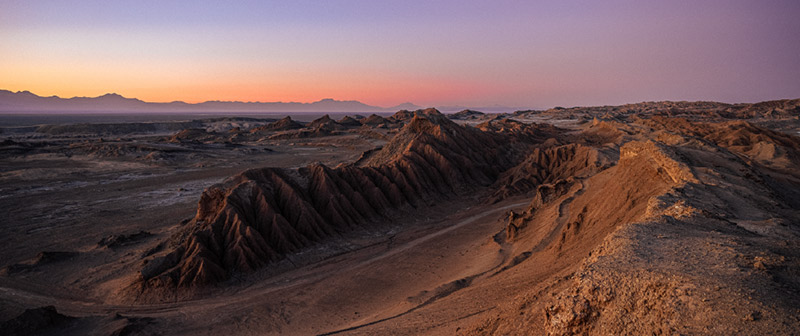
Crossing from the hyper-arid Atacama Desert to the blinding white expanse of the Uyuni Salt Flats is not a standard vacation. It is a raw, high-altitude overland expedition across some of the most surreal terrain on the planet. As you leave paved roads behind and climb into the Altiplano, the landscape shifts rapidly from sculpted clay valleys to vibrant mineral lagoons framed by volcanoes. To navigate this remote frontier comfortably, understanding the real conditions on the ground is essential.
The Immediate Pressure of High Altitude
Your journey typically begins in San Pedro de Atacama, sitting at a manageable elevation of 2,400 meters. However, crossing the border into Bolivia pushes you above 4,000 meters almost instantly, with mountain passes reaching nearly 5,000 meters near the Sol de Mañana geysers. This sudden elevation shift demands respect, careful pacing, and proper hydration. Having an experienced expedition team with dedicated medical oxygen ensures that the physical transition remains safe and seamless.
Off-Grid Logistics and Desert Navigation
Beyond the border outposts, formal roads cease to exist, replaced by a vast network of unmarked tracks cut through sand, rock, and salt. Traveling here requires heavy-duty 4×4 vehicles driven by seasoned field experts who know how to read the terrain and navigate without cellular signal. From handling remote border crossings at Hito Cajón to managing fuel supply in the middle of nowhere, flawless background logistics are what separate an exhausting ordeal from a world-class journey.
A World of Violent Thermal Contrast
The Altiplano is a land of sensory extremes, defined above all by its drastic temperature swings. Under the intense desert sun, daytime temperatures can feel pleasantly warm, calling for light layers and strong UV protection. Yet, as soon as the sun dips below the horizon, temperatures plunge well below freezing, accompanied by biting winds across the plains. Packing high-performance technical layers is non-negotiable if you want to enjoy the brilliant, unpolluted night skies.
Two Seasons, Two Completely Different Worlds
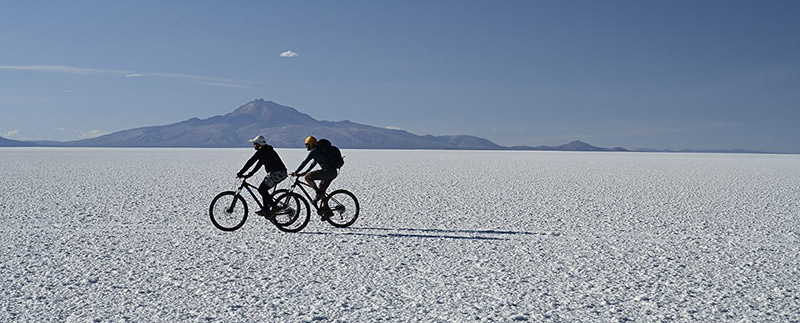
Timing shapes the entire visual identity of your journey. During the dry season from May to November, the salt crust is hard, cracked, and endlessly white, allowing deep vehicle access to remote spots like Incahuasi Island. Conversely, the rainy season from December to April transforms the salt flat into the world’s largest natural mirror, reflecting the sky in a breathtaking illusion. Both periods offer extraordinary opportunities, provided your itinerary is tailored to the seasonal conditions.
The Value of Uncompromised Field Authority
An expedition across Atacama and Uyuni demands far more than just a route map. It requires deep regional intelligence, private comfort in extreme environments, and the ability to pivot when wilderness conditions change. By combining raw landscape access with rigorous safety standards, you unlock an encounter with the wild that stays with you long after the dust settles. At South Quest, we offer a 9-day expedition thourgh these iconic landscapes. Contact us to find you more.