
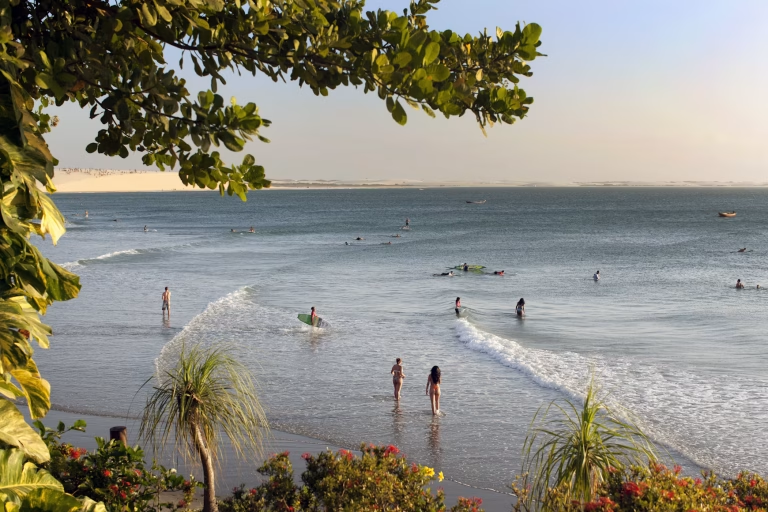
Why Start the Route of Emotions in Jericoacoara?
Jericoacoara is often described through its sunsets, beaches and freshwater lagoons. Yet its real appeal lies in the meeting of landscapes and ways of life along Ceará’s western coast.. Read more >>
Discover stories from the field, expert advice, and travel inspiration across Latin America.
The Cerrado rarely looks the way people imagine a Brazilian wilderness. Instead of endless forest, expect open grasslands, scattered trees, scrubland and gallery forests following rivers. This is not a single landscape, but a mosaic of habitats. Each supports different forms of life, from ground-dwelling mammals to highly specialised birds.
Covering almost a quarter of Brazil, the Cerrado is the world’s most biodiverse tropical savanna. It also plays a vital role in the country’s water system. Its plateaus and deep-rooted vegetation help recharge aquifers and feed major river basins. Yet agricultural expansion has transformed large areas of native habitat. Visiting this biome offers a closer understanding of both its ecological importance and the pressures it faces.
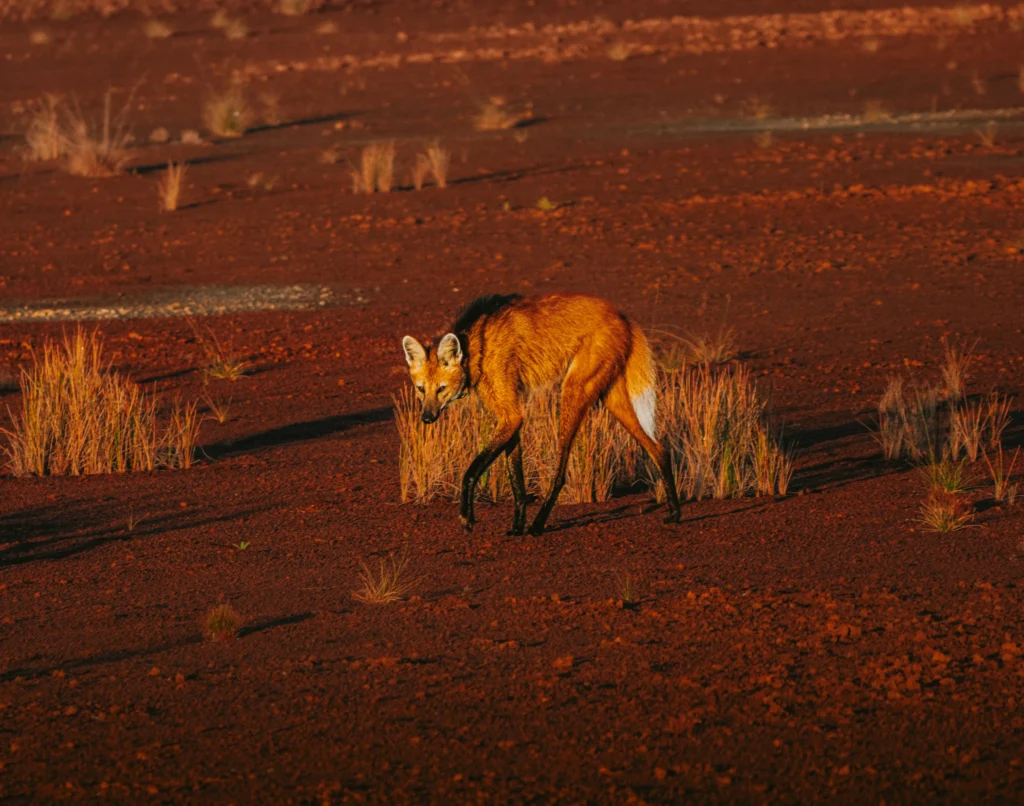
A trip to the Cerrado is not simply about spotting large animals. It is about learning where to look and understanding how species use different habitats. The maned wolf is perhaps the region’s most recognisable mammal. Tall, reddish and long-legged, it moves across open grasslands and savanna vegetation, often during quieter hours.
At Pousada Trijunção, wildlife observation takes on a scientific dimension through the work of Onçafari. The organisation monitors maned wolves using GPS and radio collars, camera traps and field observations. This research helps specialists understand animal movements, behaviour and habitat use. It also supports guided encounters that respect wildlife and its natural routines.
Sightings are never guaranteed. Animals move freely, and weather, season and food availability influence their behaviour. That uncertainty is part of the experience. A successful outing may involve tracking signals, reading signs and waiting for an animal to emerge from the vegetation.
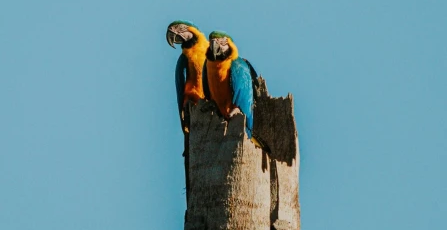
The Cerrado rewards travellers who pay attention to its smaller details. Giant anteaters and armadillos inhabit its grasslands and open woodland. Greater rheas move across open areas, while pampas deer may appear in suitable habitats. Birdlife is equally compelling.
Trijunção offers opportunities to look for species such as the Horned Sungem, Collared Crescentchest and Rufous-sided Pygmy-Tyrant. For birdwatchers, these encounters provide a different perspective on the biome. The diversity is not always immediately visible. It often reveals itself through calls, movement and careful observation.
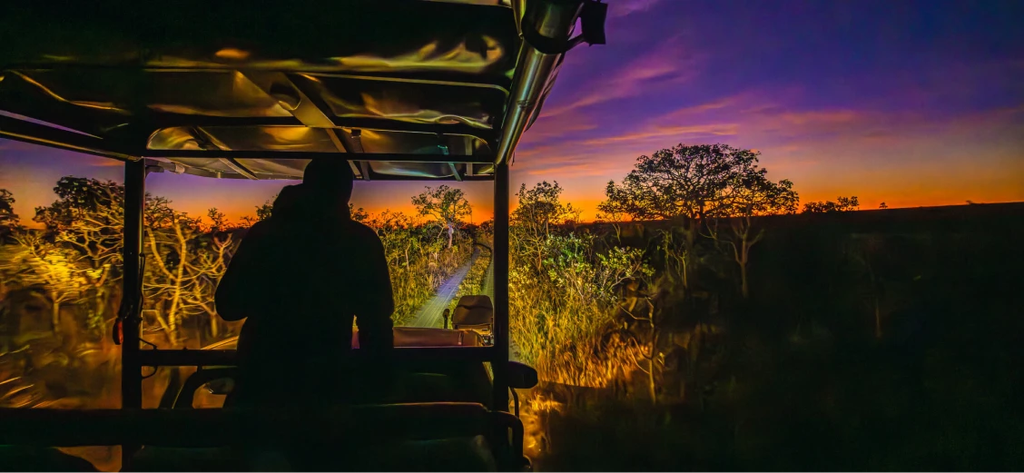
The experience also changes after sunset. Night safaris can reveal nocturnal mammals and owls that remain hidden during daylight. Astronomy sessions offer another perspective, particularly under the region’s dark skies.
Located where Bahia, Goiás and Minas Gerais meet, Pousada Trijunção provides a base for exploring this remote part of the Cerrado. The journey from Brasília takes approximately five and a half hours by road. That transfer is part of the transition from the capital’s urban landscape to the open countryside.
The six-day itinerary includes time in Brasília, followed by several nights at the lodge. Mornings may begin with birdwatching, when cooler temperatures and early activity favour observation. Later outings explore the surrounding terrain on foot or by bicycle. Safari vehicles support wildlife searches, including activities with the Onçafari team. Canoe excursions may also feature, depending on local conditions.
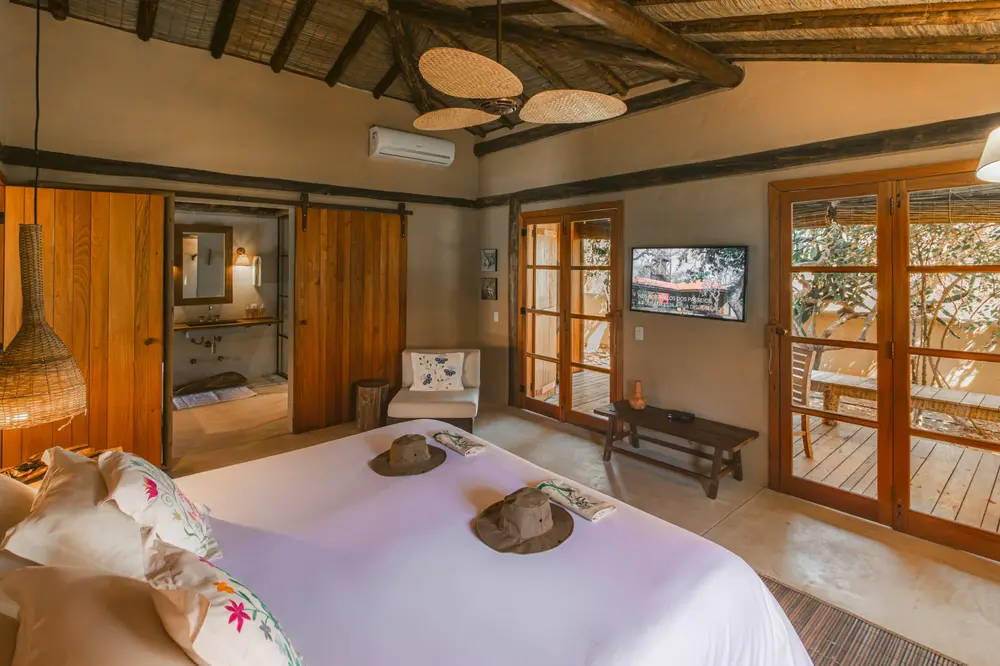
Between outings, the lodge offers comfortable accommodation and cuisine inspired by local ingredients. The pace allows time to rest without losing the connection to the surrounding landscape.
The Cerrado faces significant habitat loss, yet conservation initiatives show how tourism can contribute to its protection. At Trijunção, Onçafari combines wildlife observation with long-term monitoring and research. The presence of visitors helps create economic value around living wildlife and preserved natural areas.
This does not mean every encounter directly funds a specific conservation action. Rather, responsible tourism can support a broader model in which biodiversity becomes an asset worth protecting. It also gives travellers a chance to understand the work behind conservation, beyond what a wildlife sighting alone can reveal.
A journey to the Cerrado is best approached with curiosity and realistic expectations. Its wildlife, varied landscapes and ecological importance offer a deeper understanding of one of Brazil’s most remarkable biomes. Contact us today to explore how South Quest can design an expedition around this extraordinary ecosystem.
Jericoacoara is often described through its sunsets, beaches and freshwater lagoons. Yet its real appeal lies in the meeting of landscapes and ways of life along Ceará’s western coast.. Read more >>
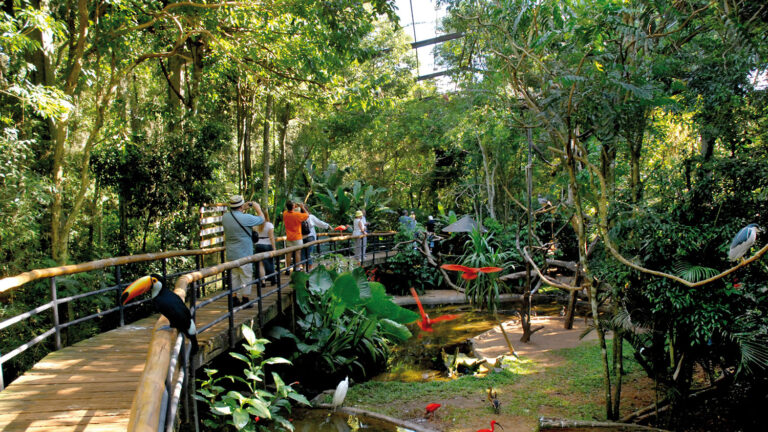
Planning a family trip to South America often feels like a balancing act. You want deep immersion in nature without sacrificing safety, seamless logistics, or accessibility for different age. Read more >>
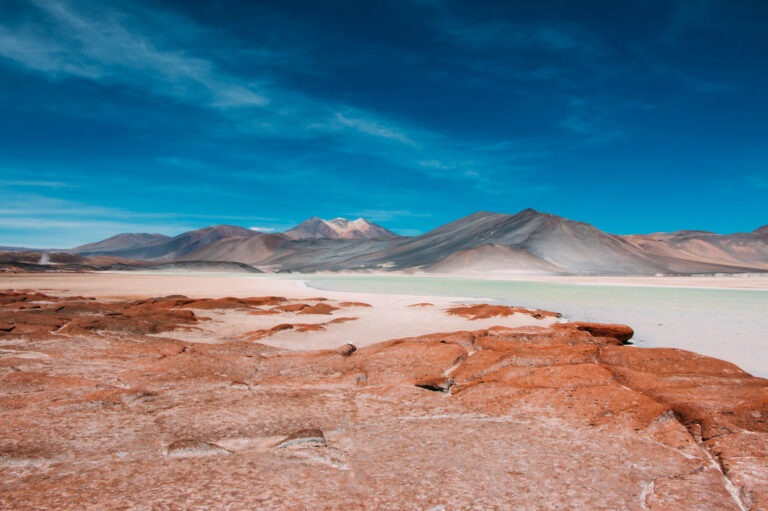
Crossing from the hyper-arid Atacama Desert to the blinding white expanse of the Uyuni Salt Flats is not a standard vacation. It is a raw, high-altitude overland expedition across. Read more >>