
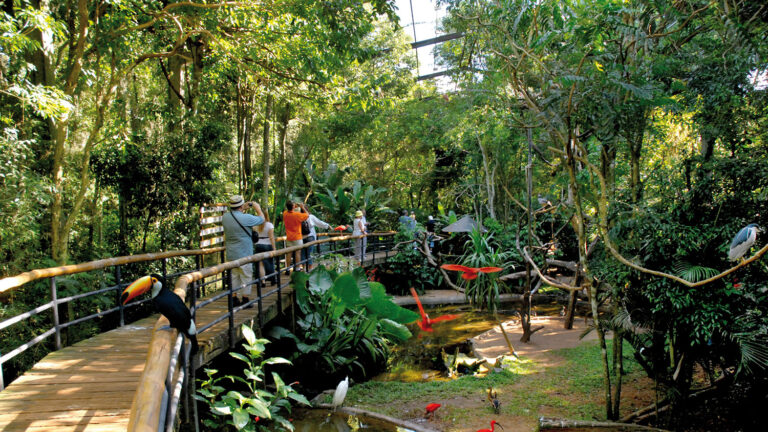
Two Unbeatable Family Destinations in Brazil
Planning a family trip to South America often feels like a balancing act. You want deep immersion in nature without sacrificing safety, seamless logistics, or accessibility for different age. Read more >>
Discover stories from the field, expert advice, and travel inspiration across Latin America.
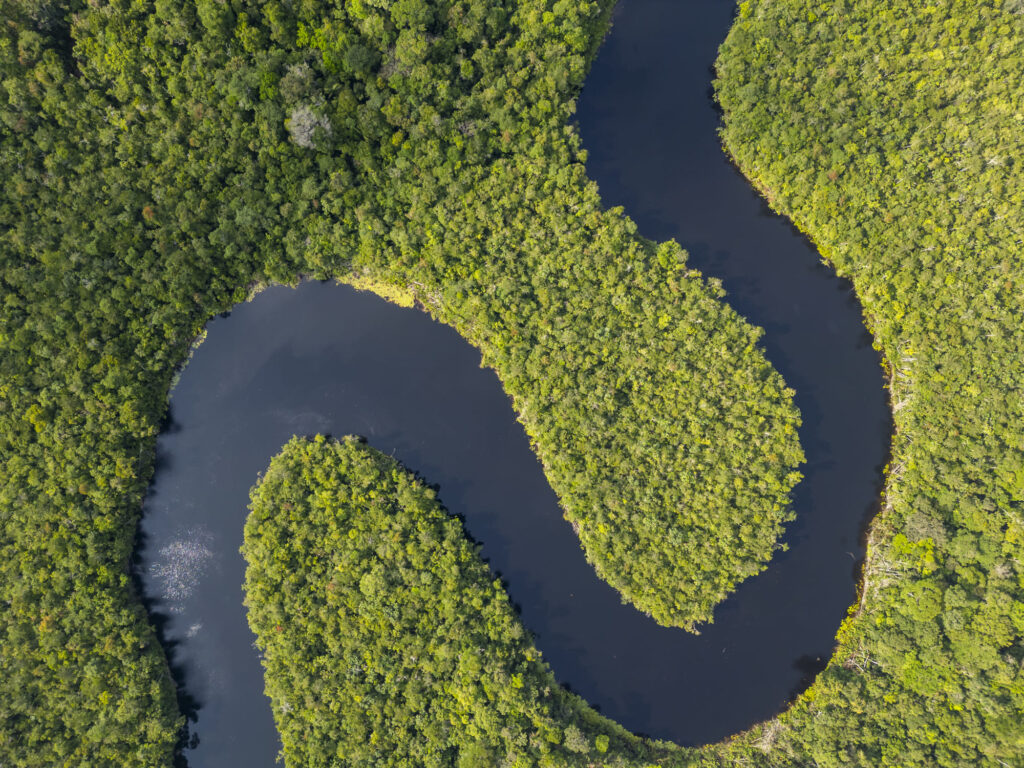
Brazil is one of the most diverse countries for nature travel. Its ecosystems range from seasonal wetlands to tropical forests, coastal dunes and limestone landscapes.
However, ecotourism in Brazil is not a single type of experience. Each destination offers a different relationship with nature, shaped by its landscape, wildlife and local communities.
Here are four destinations that stand out for travelers looking beyond conventional sightseeing.
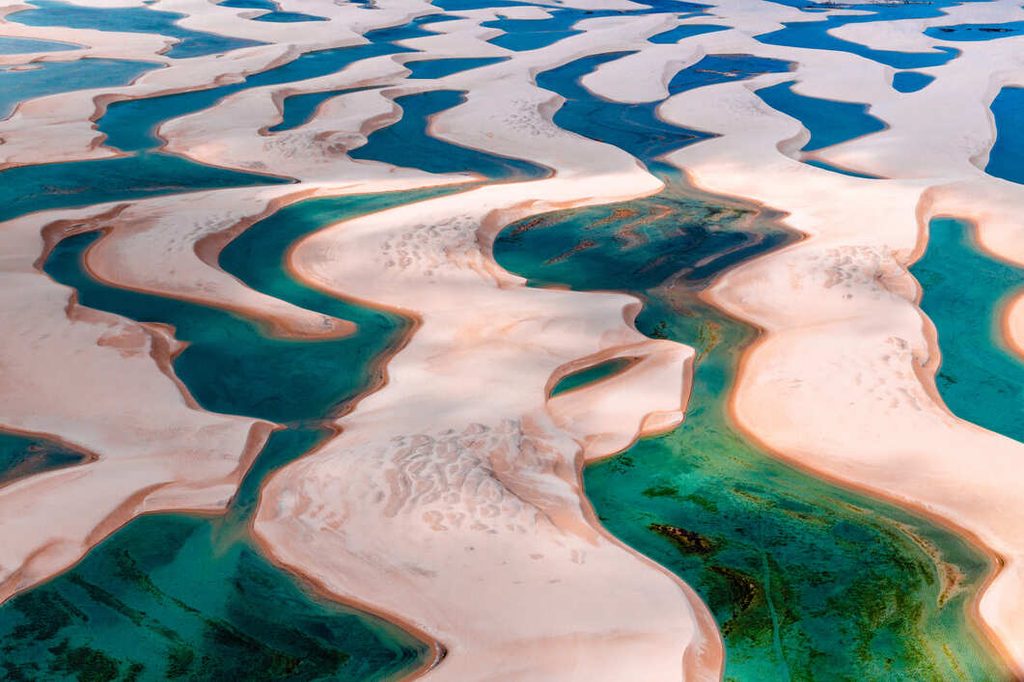
At first glance, Lençóis Maranhenses looks like a desert. Yet, its landscape follows a very different cycle.
Rainwater fills temporary freshwater lagoons between the dunes during the wetter months. Wind then reshapes the sand, constantly changing the scenery.
The result is a dynamic ecosystem rather than a static landscape. The park also sits within a transition zone influenced by the Cerrado, Caatinga and Amazon biomes.
Its 156,608 hectares received UNESCO World Heritage status in 2024. Today, regulated tourism helps visitors experience this unusual environment while supporting its protection.
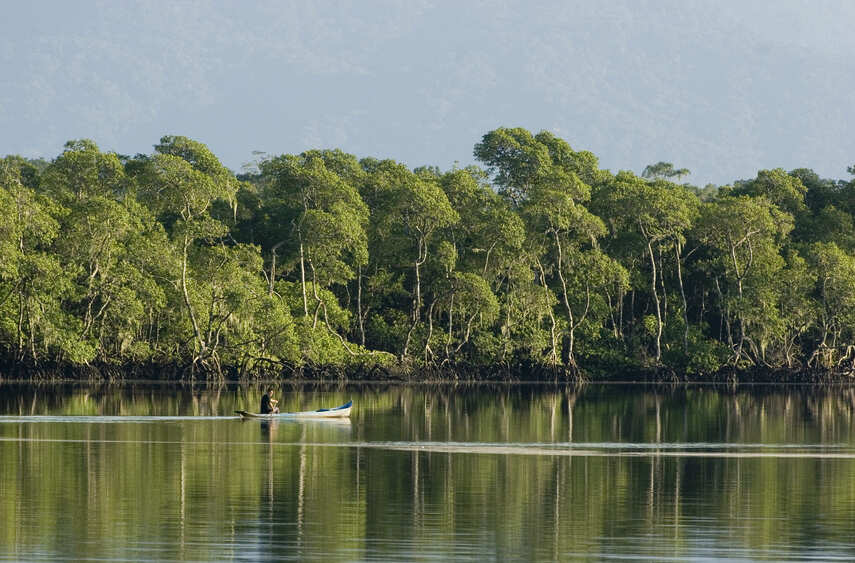
The Pantanal offers a completely different perspective on Brazilian nature.
This enormous wetland changes dramatically between the rainy and dry seasons. Rivers, bays and grasslands expand and contract, influencing where animals concentrate.
That seasonal rhythm makes wildlife observation particularly rewarding. Along the Transpantaneira, visitors can encounter caimans, capybaras, giant otters and hundreds of bird species.
Boat trips, photographic safaris and stays on traditional fazendas provide different ways to explore the region. More importantly, tourism connects visitors with the landscape and communities that depend on it.
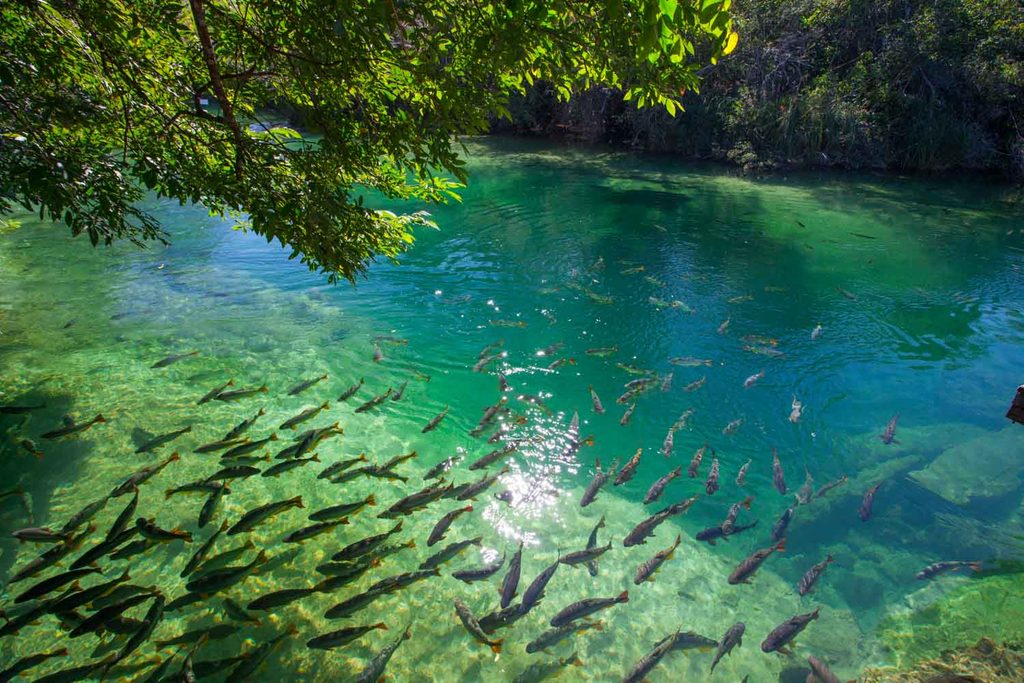
In Bonito, the main attraction lies beneath the surface.
The region’s limestone geology creates exceptionally clear rivers, caves and underground waterways. Mineral-rich rock filters sediments from the water, helping produce the remarkable visibility found in several rivers.
Flotation experiences reveal underwater ecosystems filled with native fish. Meanwhile, caves, waterfalls and forests expand the possibilities beyond the rivers.
Bonito also offers an interesting model of controlled nature tourism. Visitor management and conservation policies help protect the natural resources that make the destination possible in the first place.
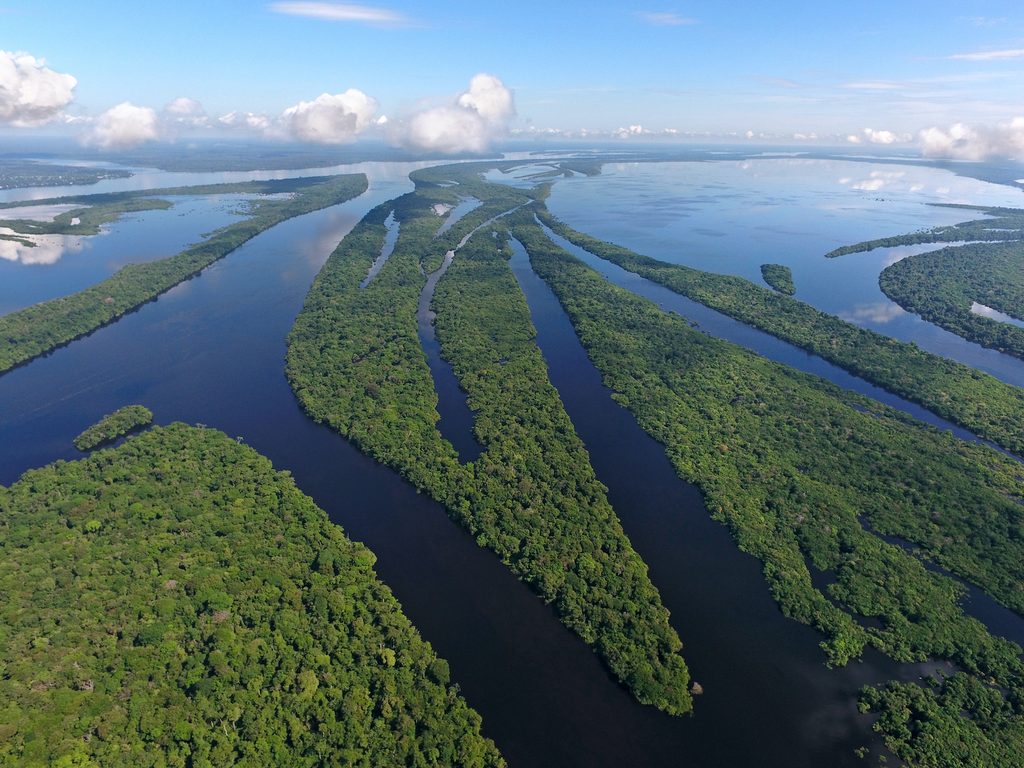
The Brazilian Amazon is too vast to fit into a single type of itinerary.
Its landscapes include dense forests, enormous rivers, flooded forests, protected areas and Indigenous territories. Consequently, ecotourism can take many forms across the region.
In Amazonas, visitors can navigate the Rio Negro, explore the Anavilhanas archipelago or travel through the Mamirauá Sustainable Development Reserve.
Beyond wildlife, the Amazon also offers something equally important: contact with communities whose lives remain deeply connected to the forest and rivers. Responsible tourism can therefore create experiences that combine biodiversity, culture and conservation.
Lençóis Maranhenses, the Pantanal, Bonito and the Amazon reveal very different sides of Brazilian nature.
One is shaped by shifting dunes and seasonal lagoons. Another follows the rhythm of floods. Bonito revolves around the hidden world of its waterways, while the Amazon unfolds through forests and rivers.
Contact us today to experience the best of the Brazilian ecotourism. Our dedicated team stands ready to structure every facet of your next mindful and unforgettable travel through Brazil.
Planning a family trip to South America often feels like a balancing act. You want deep immersion in nature without sacrificing safety, seamless logistics, or accessibility for different age. Read more >>
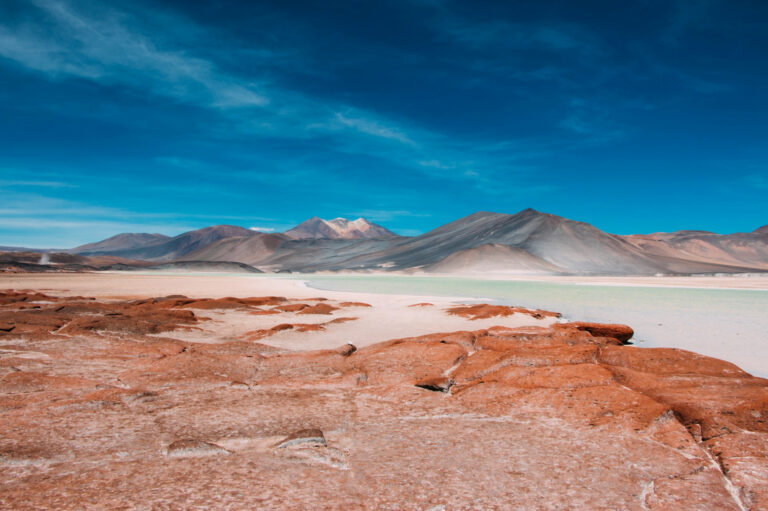
Crossing from the hyper-arid Atacama Desert to the blinding white expanse of the Uyuni Salt Flats is not a standard vacation. It is a raw, high-altitude overland expedition across. Read more >>
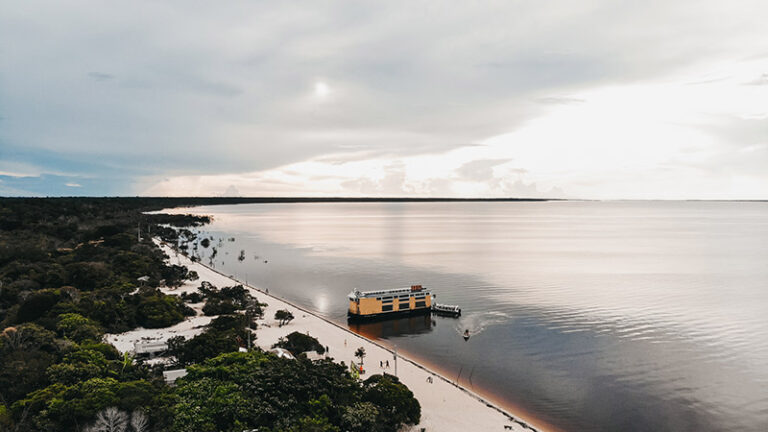
Embarking on an Amazon river cruise goes far beyond standard sightseeing. Navigating deep into the world’s largest rainforest offers true ecosystem immersion. Aboard a sustainable vessel like the Untamed. Read more >>